

Is there room for F1 races amid Singapore’s broader green ambitions?
How do such carbon-intensive events align with the Republic’s sustainability goals? Experts weigh in.
 Add BT as a preferred source
DeeperDive is a beta AI feature. Refer to full articles for the facts.
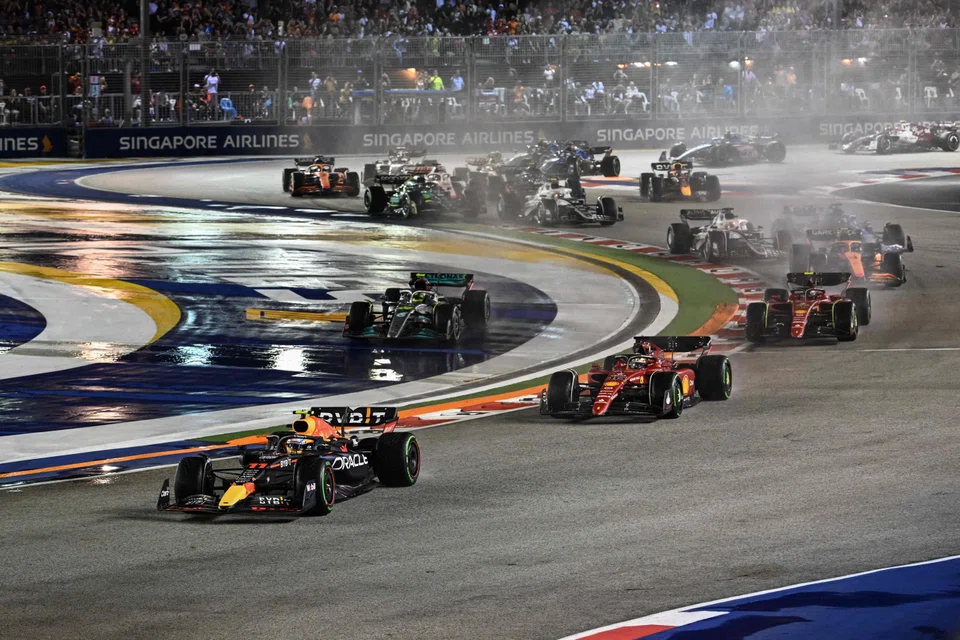
The Formula One (F1) night race returned to Singapore this year amid much excitement and fanfare, bringing with it tourism dollars and interest, after a pandemic-enforced absence of over two years. But the passage of time also meant that this year’s Singapore Grand Prix (SGP) took place in a world with different expectations: where environmental concerns have taken centre stage.
While the Republic undertook efforts to reduce the hefty carbon footprint of the event, the race was not without its detractors, and some have questioned if such events should continue to be held here. But the occasion arguably represents just the beginning of a journey for Singapore – presenting an opportunity to aid and inform the nation in developing better models for even less carbon-intensive affairs in the future.
First steps
F1 event organisers worked with the Singapore Environment Council (SEC) this year to obtain an Eco Events certification, introduced just last year, that involved them taking measures to minimise the environmental impact of this year’s race.
Decoding Asia newsletter: your guide to navigating Asia in a new global order. Sign up here to get Decoding Asia newsletter. Delivered to your inbox. Free.
Copyright SPH Media. All rights reserved.
TRENDING NOW
Autobahn Rent A Car directors declared bankrupt over S$50 million each owed to DBS

Amazon’s MGM Studios gains creative control over ‘James Bond’ franchise

UOB’s Wee Ee Cheong says S$4.9 billion Citi deal ‘paying off’ as Asean push accelerates
In taxing wealth, how far can Singapore push property owners?

