

Tigerair Mandala to stop flying from next month
Its three shareholders decide to cease funding airline as it could not operate sustainably

Nisha Ramchandani
LOSS-MAKING Tigerair Mandala will cease operations from next month after an unsuccessful effort to sell the struggling airline.
In a statement yesterday, Tiger Airways Holdings said the shareholders of Mandala had "vigorously explored various options in recent months" before deciding to cease funding the airline as it could not operate sustainably.
Tiger has a 35.8 per cent stake in the budget carrier while the Saratoga Group and PT Cardig International are the other main shareholders.
This comes after reports last week that budget carriers Citilink and AirAsia had both pulled out of talks to buy Tigerair Mandala.
Analysts have noted that with Tigerair Mandala's operations in the red and its limited market share in Indonesia, an acquisition would have made little difference to any carrier seeking to build up its own market share. Tigerair Mandala recently returned five planes to Tiger, leaving it with a fleet of just four as it restructured its network by cutting frequencies and pulling out of routes amid tough competition from the likes of Lion Air.
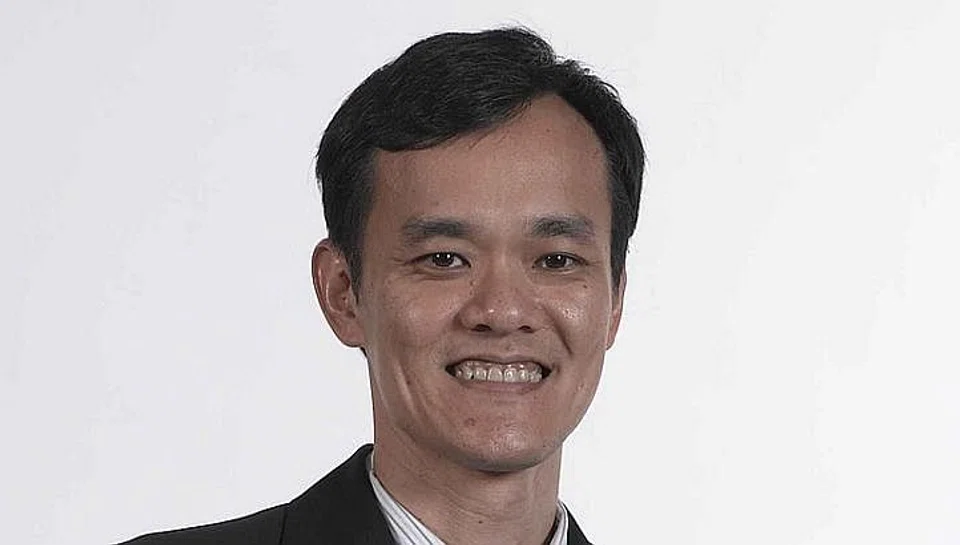
"Mandala's financial results reflect the challenges that it is facing in the difficult operating environment. The partners in Mandala have jointly come to the conclusion to cease funding the airline's operations," said Tiger's new group chief executive officer Lee Lik Hsin, stressing that the group would continue to maintain an active presence in Indonesia through Tigerair Singapore.
The Singapore Airlines (SIA) veteran recently took over from former chief Koay Peng Yen - who announced his resignation after less than two years with the group - effectively giving SIA a tighter grip on the reins. SIA owns 40 per cent of Tiger.
Pulling out of Tigerair Mandala will also allow Tiger to devote its full attention to its turnaround strategy, which includes fleet consolidation, strategic alliances and an asset-light growth model, the group said.
One analyst, who declined to be named, pointed out that the grounding of Tigerair Mandala could help curtail future losses since the budget carrier had contributed to the group racking up hefty losses for the financial year ended March 31, 2014.
At the same time, he added that this could also potentially mean more aircraft returning to the group. Tiger itself has announced plans to ground eight aircraft - which already included five from Tigerair Mandala - this financial year as it seeks to manage and right-size its fleet, citing overcapacity in the region.
Budget carriers in South-east Asia have been struggling with sliding yields as stiff competition and high costs are squeezing profits.
Meanwhile, Tiger has been divesting itself of or paring its stakes in its associates and subsidiaries of late as it seeks to get itself back on its financial footing. It sold 60 per cent of Tigerair Australia to Virgin Australia and more recently, disposed of its 40 per cent stake in Tigerair Philippines to the Philippines' largest airline, Cebu Pacific. With Tigerair Mandala now preparing to sing its swan song, the group is going back to basics by focusing primarily on its core unit Tigerair Singapore, which has been struggling too.
Tiger is also setting up a joint venture with China Airlines, but has limited its stake in Tigerair Taiwan (as it is known) to just 10 per cent.
Tiger said all customers affected by the cessation of Tigerair Mandala will be given a flight transfer where possible, or a refund on their ticket.
Shares in Tiger closed unchanged at 49 cents yesterday. The announcement came after the market closed.
TRENDING NOW

Britain’s mansion tax shows the difficulty of targeting wealth

Once staunchly pro-China, Malaysian Chinese businesses are now distancing themselves from Beijing

The only common thing in S-E Asia is that we all eat rice: Cisco’s Asean president

Singapore data centre operator DayOne opts for US IPO at likely US$20 billion valuation

