Tiong Seng to sell 55% stake in China unit for 67 million yuan
 Add BT as a preferred source
Sharanya Pillai
CONSTRUCTION firm Tiong Seng Holdings has entered into an agreement to dispose its entire 55 per cent stake in Chinese unit Jiangsu Huiyang Construction Development Co for 67 million yuan (about S$13.4 million), the Mainboard-listed firm announced in an SGX filing on Monday.
Tiong Seng's stake in Jiangsu Huiyang is held through its wholly-owned subsidiary, Suzhou Huisheng Construction Development Co. Tiong Seng will be selling the stake to the minority 45 per cent shareholder of Jiangsu Huiyang.
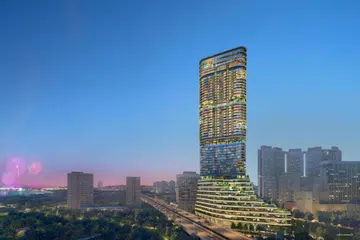
Jiangsu Huiyang is involved in the sale, leasing and management of commercial units within a retail investment property, Wenchang Broadway, in Yangzhou City, China.
The 67 million yuan consideration was determined via a property valuation on Wenchang Broadway, which set its value at 135.8 million yuan as well as the estimated costs to repair and maintain the property and consolidation of staff.
Tiong Seng will pay the consideration in two tranches: the first 30 million yuan on the 7th working day upon the signing of the sale-and-purchase agreement and the remaining 37 million yuan upon completion of the disposal.
Jiangsu Huiyang and its unit, which provides property management services, recorded S$500,000 in revenue with a loss before tax of less than S$100,000 for 1Q2019.
The net tangible asset value of Huiyang and its subsidiary amounted to S$10.6 million as at end-March, which would translate to an NTA of S$5.8 million for Tiong Seng's 55 per cent stake.
Shares of Tiong Seng closed flat at S$0.23 on Monday.
Copyright SPH Media. All rights reserved.