TransferWise rolls out multicurrency debit card in Singapore
Published Mon, Oct 14, 2019 · 09:50 PM

    Singapore

    UK-BASED fintech player TransferWise has ruled out applying for a digital bank licence in Singapore.

    Instead, it is looking to grow its core business of cross-border payments in the region, said the head of the firm's Asia-Pacific and Middle East expansion Venkatesh Saha.


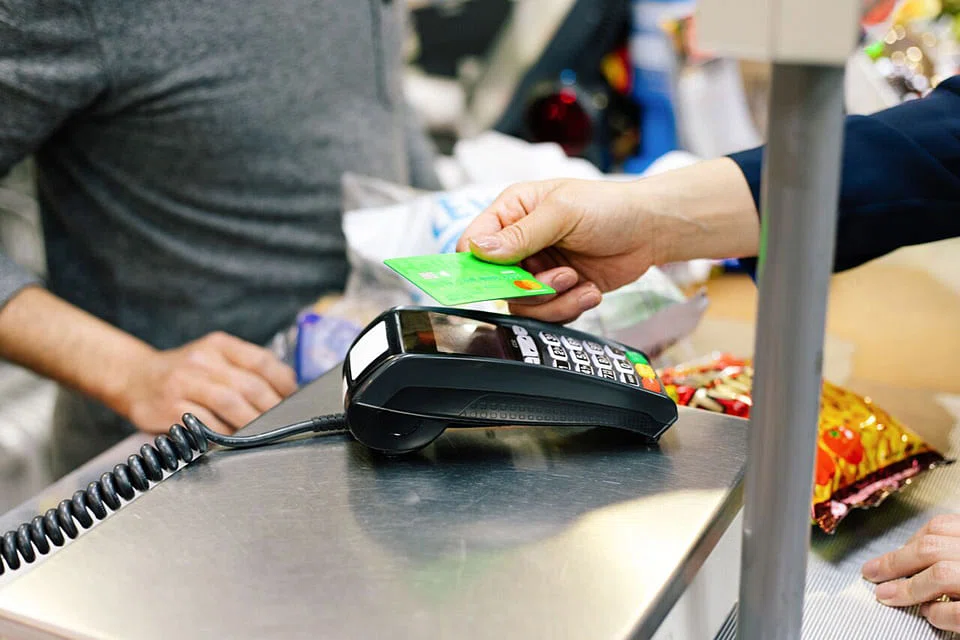
    TransferWise on Tuesday rolled out a multicurrency account with an accompanying MasterCard debit card in Singapore - where it currently offers remittance services - in a move to help Asian travellers and small businesses dodge traditionally high FX markup rates.

    The new offering comes amid growing competition in this space in Singapore, but the firm believes it has an advantage over competitors such as DBS Bank, local startup YouTrip and UK-based rival Revolut.

    Mr Saha told The Business Times: "We have only one focus - cross-border payments - and we try to do that extremely well. We don't intend to go into mortgages and lending ... Our presence here is to solve the many problems of FX and cross-border payments in the region."

    Known as the Borderless account, TransferWise's multicurrency account functions as an e-wallet. Individuals and businesses can hold, convert and send money in more than 40 currencies at the mid-market exchange rate and use the debit card to pay for goods and services in more than 150 countries.

    "It's no longer just about sending and receiving money in different currencies. It's now also about holding and spending money, and that's what we're working towards," said Mr Saha.

    TransferWise's card comes amid a finding by Capital Economics that Singaporeans lose S$1.1 billion yearly to fees associated with overseas expenditure via cards and cash, as well as online purchases denominated in foreign currencies.

    The market fee averages around 4 per cent of the expenditure value. TransferWise said its card average fee stands at 0.67 per cent, about six times cheaper than market average.

    "The exchange rate you see on Google is exactly what we offer you," said Mr Saha. The fee breakdown of a transaction is reflected in full before the user hits the "Confirm" button.

    If the prevailing rates are not the most competitive, the user is prompted to browse a list of cheaper options from other providers.

    "We have been very honest on what we can offer and we see that as our key differentiator (from our rivals)," he said.

    TransferWise's debit card also allows users to "receive money like a local", using local bank account details in the US, UK, Europe, Australia and New Zealand, which helps users to keep cross-border processing fees and delivery time down, he said.

    A Singapore-based freelancer, for example, can provide a local UK bank account number to his client based in London, who can then make a free, instant domestic payment that goes into the freelancer's TransferWise account, received at no cost.

    Mr Saha said: "In the old world, the client had to go down to the bank and send money through the SWIFT system - and you wouldn't know when and how much money you'd get because fees would be imposed along the way by the many correspondent banks."

    Singapore is the first Asian market with access to TransferWise's debit card. It joins Australia, New Zealand, Europe, the UK and the US.

    First launched in the UK in April last year, the card has amassed US$10 billion in total deposits to date and has US$1.5 billion in current deposits. Demand had exceeded initial projections in Australia and New Zealand, said Mr Saha, who is expecting a similar reception in Singapore.

    "Lots of people from abroad are living, working and studying here. The pool of people who would have a use-case for our product is very high," he said, citing expats and international students as examples of likely users. "It makes good business sense to launch in Singapore."

    Mr Saha said the firm sees Singapore as a regional gateway to more markets in Asia. TransferWise is slated to launch its remittance services in Malaysia by the end of this year and to roll out its multicurrency debit card in Japan next year.

    While demand largely stems from retail customers - only 20 per cent of TransferWise's customers are corporates - the firm has been actively improving on the business debit card, with several new offerings in the pipeline.

    "We have more individual consumers now, but if you look at transaction volumes, they will come increasingly from businesses," said Mr Saha.

    The firm's latest annual report says rising demand from small businesses helped lift earnings in 2018. Pre-tax profits climbed 29 per cent to £10.1 million (S$17.4 million) for the 12 months ended March 31; revenue jumped 53 per cent to £179.1 million.

    To expand its customer base of more than five million, TransferWise is open to partnerships with banks to tap into their networks.

    "There used to be an era where it was fintechs against the banks but that's over," said Mr Saha. "We see (partnerships) as a faster way to solve all the problems in payments."

    TransferWise on Tuesday announced its tie-up with Australian digital bank Up to integrate its API (application programming interface) into the bank's infrastructure. More than 130,000 customers of Up will be able to make low-cost transfers abroad in 52 currencies directly within the bank's app.

    With up to five digital bank licences soon to be granted in Singapore, Mr Saha sees opportunities for similar partnerships.

    "It's not easy to build a bank from scratch. This is where we can come in and offer our payments infrastructure... We would happily work with digital banks in Singapore," he told BT.