

Aiming at China, Malaysia puts new restrictions on electric cars
The government is hoping to push Chinese companies to assemble and manufacture vehicles in the country
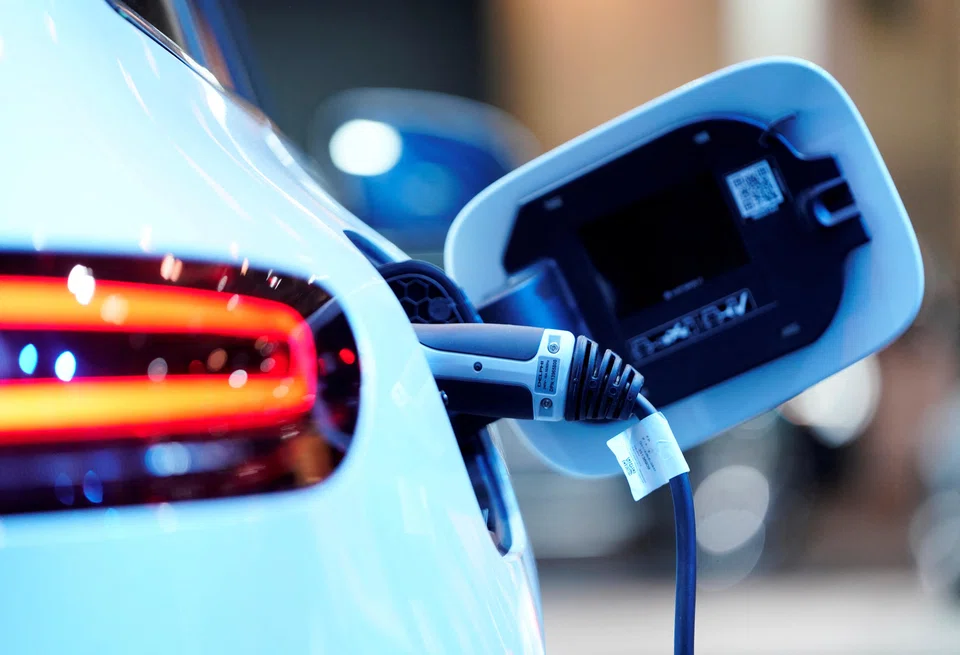
[KUALA LUMPUR] Four years ago, Malaysia waived import taxes on electric cars, part of a plan to move away from fossil fuels.
The country was not making electric vehicles (EVs) at the time, and Chinese automakers started shipping models such as the BYD Atto 3 by the thousands. Soon, Chinese companies came to dominate Malaysia’s small but growing EV market.
But the import-tax holiday ended on Dec 31, 2025. More recently, the Malaysian government announced new restrictions on imported cars.
The minimum sale price of imported EVs is being doubled to RM200,000 (S$64,310), according to Johari Abdul Ghani, Malaysia’s trade minister.
The aim is to protect jobs because Malaysia’s own carmakers are now making EVs. The government is hoping to push Chinese companies to assemble and manufacture vehicles in Malaysia.
China has flooded countries around the world with exports, often at low prices. The policy changes in Malaysia show how China’s manufacturing heft can force governments to make tough choices between promoting its auto industry and creating jobs, while protecting homegrown companies from foreign competition.
Two of the Chinese carmakers operating in Malaysia, BYD and Chery, would benefit from tax incentives the government is offering to companies that set up assembly plants.
The companies will also face Malaysian government rules that apply to all foreign EV makers: Only 20 per cent of the cars the plants make can be sold in Malaysia – the rest must be exported – and have to be sold at a minimum price of RM100,000.
“In the long run, we want to ensure that manufacturers produce car components in Malaysia for assembly, rather than relying heavily on imports,” Johari said.

It was unclear if BYD, which was slated to build its assembly plant in the state of Perak, will go forward with its plans.
The company said that it is “still reviewing all possibilities and aligning internally”, declining to elaborate.
Chery, however, is moving forward with its plans to build an assembly plant on the outskirts of Kuala Lumpur.
Men Lin Bo, an executive vice-president at Chery Corporate Malaysia, said that the company had begun building the facility, which will produce gas-electric hybrid and petrol-fuelled cars.
“Construction at the site is ongoing and progressing well. We hope to produce some cars by this year,” he added.
The rules limiting domestic sales do not apply to foreign manufacturers that use the three existing assembly plants in Malaysia, the trade ministry said.
“EV makers will be considering whether it makes sense to set up manufacturing facilities in Malaysia if they already have plants elsewhere in South-east Asia,” said Ramone Mikgail Kok, the investment research and advisory head at Hong Leong Bank based in Kuala Lumpur.
The rise of Chinese automakers can be seen across Malaysia’s car districts. An area about 20 minutes from Kuala Lumpur, which was long dominated by Japanese and European brands, now includes several Chinese automakers.
Malaysia’s biggest domestic carmakers, Proton and Perodua, each introduced EV models last year.
Perodua spent over US$200 million developing the QV-E, its first electric model.
Proton, in the first three months of the year, sold 6,701 of its e.MAS 5 electric car, far outpacing the 999 units of BYD’s Atto 3.
Geely, a Chinese automaker, owns 49.9 per cent of Proton. NYTIMES
Decoding Asia newsletter: your guide to navigating Asia in a new global order. Sign up here to get Decoding Asia newsletter. Delivered to your inbox. Free.
Share with us your feedback on BT's products and services
TRENDING NOW

Government to bring forward raising of retirement age, give employers more financial support to create flexi-load jobs

If Europe goes to war, the fallout will be felt in East Asia

Indonesia stocks suffer worst plunge in nearly 30 years as MSCI proposes standalone status

Vietnam’s northern provinces, not Hanoi or Ho Chi Minh City, are powering near 10% GDP growth

