

Air cargo carriers not adding China flights as demand weak
About half of global air cargo carried in belly of passenger jets facing huge freight capacity cuts
 Add BT as a preferred source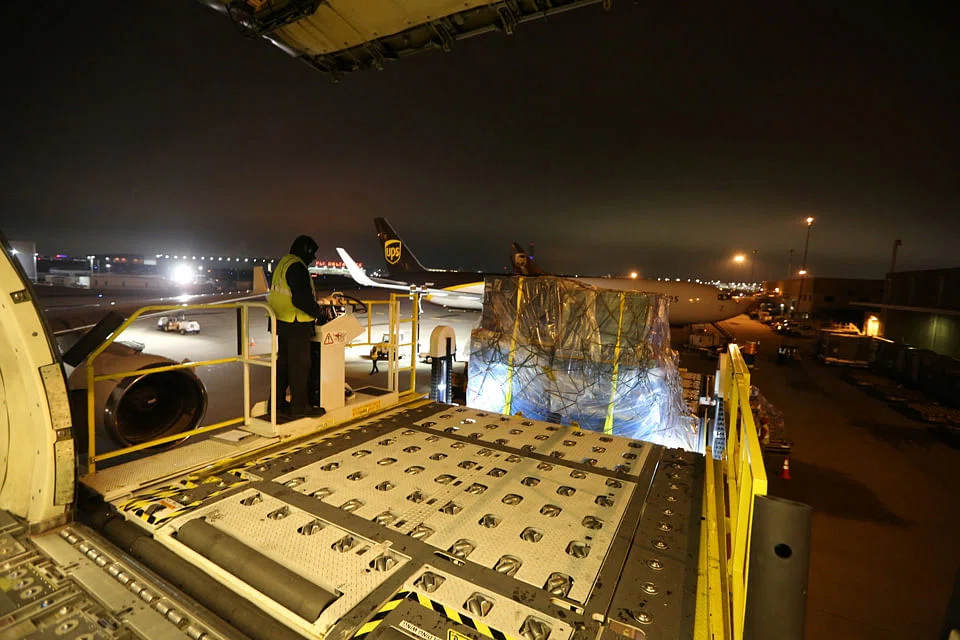
Frankfurt
MAJOR air cargo carriers said they have no immediate plans to add China flights to replace the capacity lost amid steep cuts to passenger travel due to the coronavirus, as many factories have remained shut down after the Chinese New Year.
Aviation data firm OAG said there would be more than 25,000 fewer flights operated to, from and within China this week compared with two weeks ago, with 30 airlines halting services.
About half of the air cargo carried globally is in the belly of passenger jets rather than in dedicated freighters, and the flight cuts have made the Chinese market more dependent on freight haulers.
But a spokesman for Germany's Lufthansa Cargo said it had reduced its flying schedule, in part to allow pilots to spend the night in Novosibirsk, Russia, rather than in China.
Demand from China to Germany fell because of the production shutdown, the spokesman said.
Navigate Asia in
a new global order
Get the insights delivered to your inbox.
The Chinese New Year holiday has been effectively extended by 10 days in many parts of China, including powerhouse regions such as Shandong province and the cities of Suzhou and Shanghai.
The shutdown represents a fresh challenge to an air freight market that was already weak before the coronavirus epidemic.
Global demand fell year on year for 13 consecutive months through November 2019 amid slowing economic growth and the US-China trade war, according to the International Air Transport Association (Iata).
"If you're ordering people to stay in their houses it's difficult to keep factories running," Bernstein analyst Daniel Roeska said. "Many supply chains are essentially halted, so there's nothing to transport."
Air cargo represents less than one per cent of global trade by tonnage. But that amounts to about US$6 trillion worth of goods every year - more than 35 per cent of global trade by value, according to data from Boeing Co, the biggest manufacturer of freighters.
Korean Air Lines Co Ltd said a fall in Chinese events and meetings due to the coronavirus and related storage and transportation shortages had led to a decline in fresh food shipments, such as lobster and salmon.
"On the other hand, Chinese transport and request of medical supplies such as masks and cleaning agents is increasing," the airline said in a statement.
A spokeswoman at Japanese airline ANA Holdings Inc also reported rising demand for medical supplies such as surgical masks although shipments of other goods had been delayed.
Once most Chinese factories resume production, dedicated cargo carriers like United Parcel Service Inc, FedEx Corp and DHL are likely to be the biggest beneficiaries of any surge in demand, said Helane Becker, an analyst at Cowen.
"Obviously the lack of belly space means everything goes on main deck," she said, in reference to how cargo is carried in passenger planes compared with freighter aircraft. REUTERS
Share with us your feedback on BT's products and services
TRENDING NOW

Middle East-linked energy supply shocks put Asean Power Grid back in focus

Thai and Vietnamese farmers may stop planting rice because of the Iran war. Here’s why

How China’s young workers are securing their future even as AI disrupts job market, triggers pay cuts

As more Asean states turn to Russia for fuel, will Moscow boost its influence in the region?

