Air New Zealand suspends guidance as jet fuel fluctuates
The Middle East conflict has led to extreme volatility
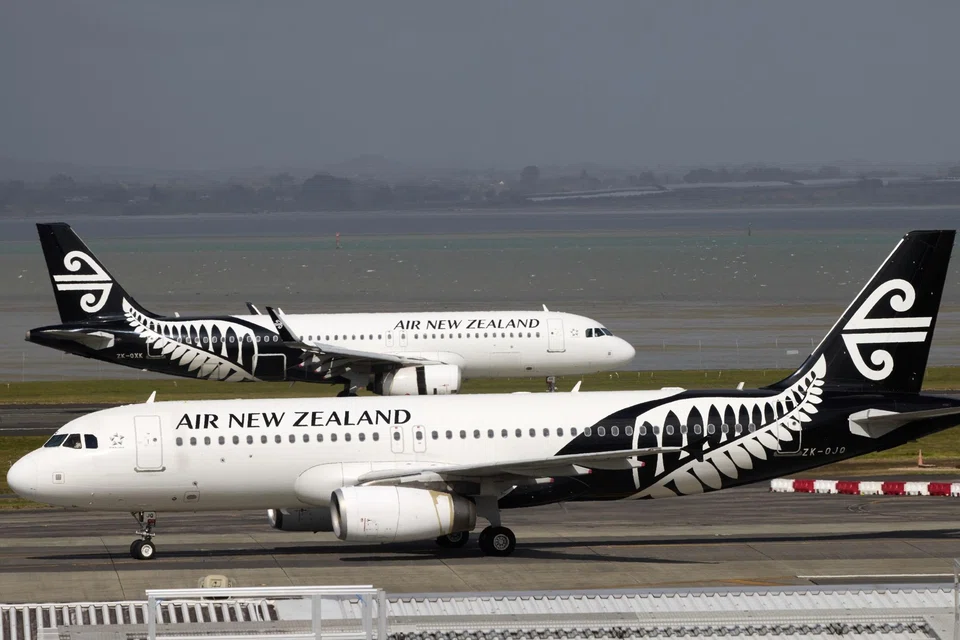
[WELLINGTON] Air New Zealand suspended its earnings guidance as wildly fluctuating jet fuel prices mean the assumptions it made less than two weeks ago are no longer valid.
The Middle East conflict has led to extreme volatility, with jet fuel rising to as much as US$200 a barrel in recent days from around US$85 beforehand, the Auckland-based airline said on Tuesday (Mar 10). In particular, the crack spread – the difference between crude oil and the price of refined jet fuel – has surged, and the airline has no hedges in place against it.
“Due to this unprecedented volatility, the jet fuel price assumption underlying Air New Zealand’s guidance is no longer appropriate,” the airline said. “The crisis is expected to meaningfully affect second-half earnings and accordingly, the airline has suspended FY2026 guidance until fuel markets and operating conditions stabilise.”
On Feb 26, Air New Zealand, which is 51 per cent owned by the government, reported a NZ$59 million (S$75 million) pretax loss for the first half ended Dec 31 and said that it expected second-half earnings to be broadly in line with or modestly below the first-half result. That outlook assumed a fuel price of US$85 a barrel.
The airline said that it has implemented initial fare adjustments, and if fuel costs remain elevated, it may need to take further pricing action and adjust its network and schedule. It’s also continuing cost reduction initiatives, which are expected to partially offset these pressures.
The stock has slumped 19 per cent this year and yesterday fell to its lowest since June 2020. It edged higher to 48 New Zealand cents at 10.13 am on Tuesday in Wellington.

The caution is a fresh blow to the national carrier, which has been hit hard by groundings across both its domestic and long-haul fleets due to extra maintenance required on Pratt & Whitney and Rolls-Royce engines worldwide. The unavailability of several planes reduced capacity on key routes just as the New Zealand economy emerged from recession and travel demand increased.
Fuel price volatility is a fresh global challenge for airlines as the Iran war disrupts flight schedules and makes people reluctant to travel. Emirates and Qatar Airways suspended operations through their Gulf hubs, stranding thousands of passengers. BLOOMBERG
Decoding Asia newsletter: your guide to navigating Asia in a new global order. Sign up here to get Decoding Asia newsletter. Delivered to your inbox. Free.
Share with us your feedback on BT's products and services