Aircraft leasing companies expected to hike rental, adding to cost pressures for airlines
But airlines may prefer to lease rather than buy planes as interest rates rise and the recovery in air travel remains uncertain

Tay Peck Gek
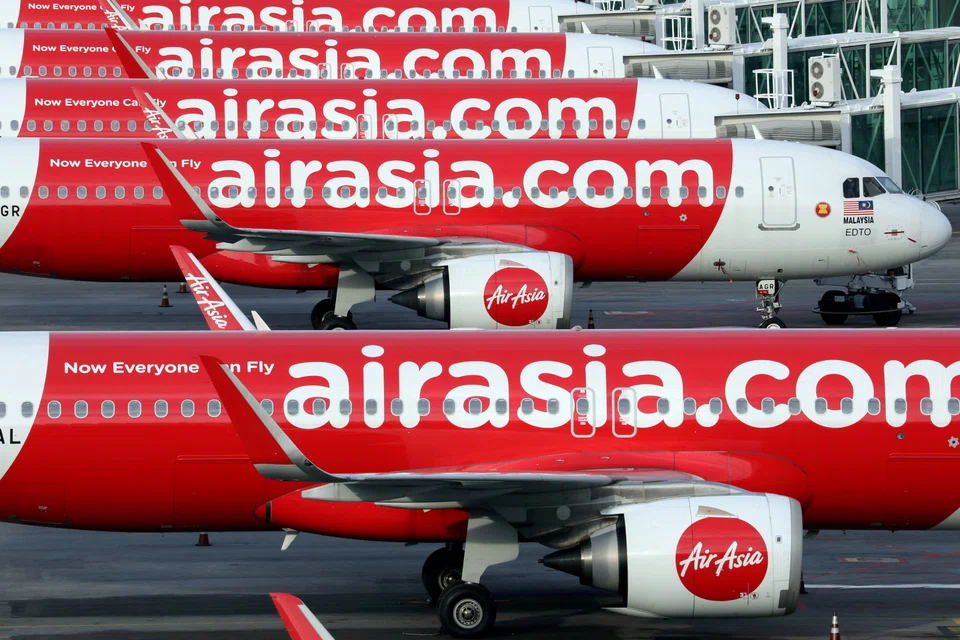
AIR carriers should expect the cost of jet leases to rise amid higher air travel demand, interest rate hikes and geopolitical tensions - adding to pressure on their margins when they are only just emerging from the pandemic.
While air carriers are ramping up supply to fulfil pent-up travel demand as border restrictions relax, they are constrained by a shortage of resources - including planes - that were cut during the pandemic.
DBS equity analysts wrote in a report that airlines are still focused on lowering their debt - racked up to tide themselves over the pandemic - and they therefore have a lower headroom for capital spending.
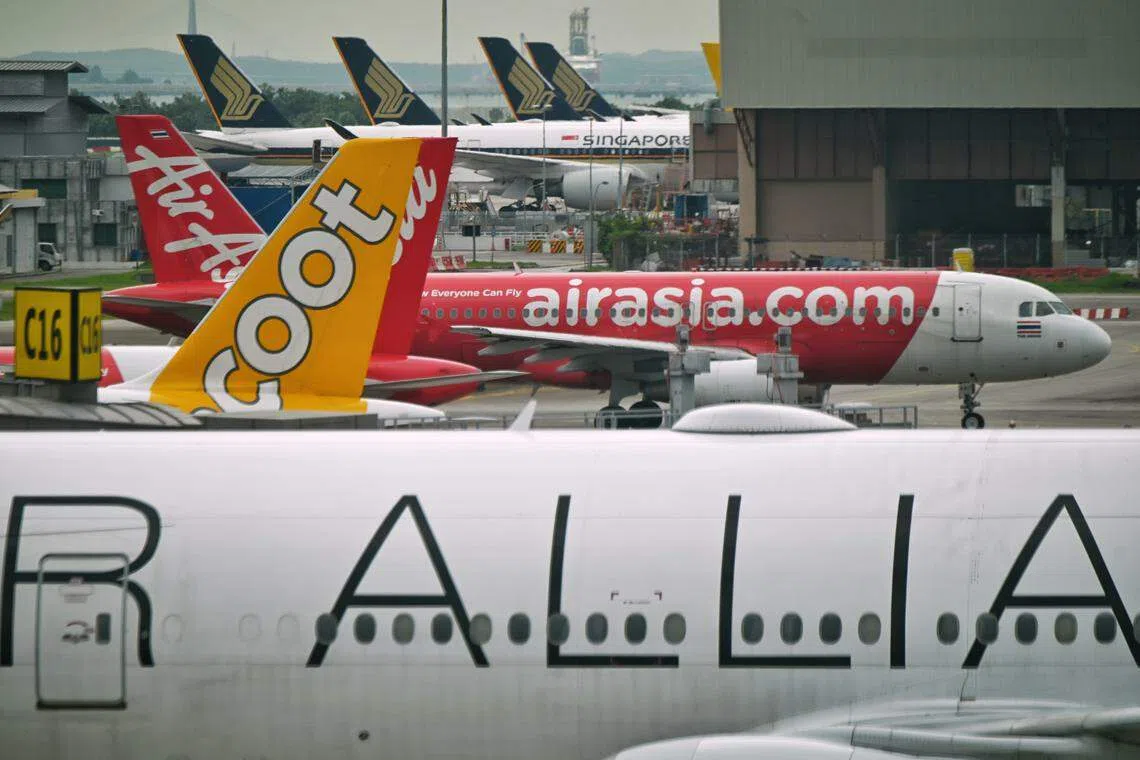
Rob Morris, global head of consultancy at aviation data provider Ascend by Cirium, noted that interest rate hikes tend to increase the financial advantage of leasing companies, which usually enjoy a lower cost of capital than airlines due to their typically stronger balance sheets.
Indeed, leasing companies have generally remained far healthier than airlines through the pandemic.
A review by the DBS analysts Paul Yong and Jason Sum of the 83 largest airlines by market capitalisation showed that total debt in the sector was up 11 per cent in 2021, after rising 30 per cent in 2020. The median net debt to equity ratio was 3 times, up from 2.5 times in 2020.
The analysts found that 23 carriers in the sample had negative equity balances as of December 2021, compared to 17 the year before.
Of the carriers that were rated, 58 per cent had ratings of single “B” and below as of February 2022, compared to just 21 per cent of airlines prior to the pandemic. But the credit ratings of all investment-grade lessors remained the same.
Credit spreads between investment grade lessors and airlines in the “BB” rating category were 200-250 basis points as of March, translating into airlines having to pay US$1 million and US$3 million more than lessors in interest payments annually when purchasing a single next-generation narrowbody and widebody aircraft respectively.
Rising interest rates are expected to further impact the credit ratings of airlines. As a result, there will be an even bigger gap in funding costs between airlines and lessors going forward.
The DBS analysts believe that the airline sector will thus demonstrate fiscal prudence and rely on leasing to restore and add capacity.
Cirium’s Morris said airlines uncertain about the sustainability of the current recovery in demand for air travel might also be driven to lease additional planes instead of taking on debt to purchase them.
But leasing companies will be seeking higher monthly rentals since their own cost of finance for new aircraft will be higher as a consequence of increasing interest rates. Typically, leasing companies have interest rate escalators or adjusters on their forward leases, allowing them to revise the lease rate upwards prior to aircraft deliveries to customers.
Top leasing company AerCap Holdings in fact has an interest rate tracker in existing leases, its chief executive officer Aengus Kelly told analysts at a recent earnings briefing.
Delivery delays by plane makers Boeing and Airbus due to disruptions in the supply chain would benefit the lessors in terms of pricing as well, said Katie Chen, senior director of the Asia Pacific Non-Banks division at Fitch Ratings.
AerCap’s Kelly stated at the earnings briefing that the airlines were only starting to realise that there is a coming squeeze on widebody capacity. “So what will happen as our widebodies come up, the 787s, 330neos, we’re certainly endeavouring to push rentals up as they come up for reset, be that on extension or off a new order.”
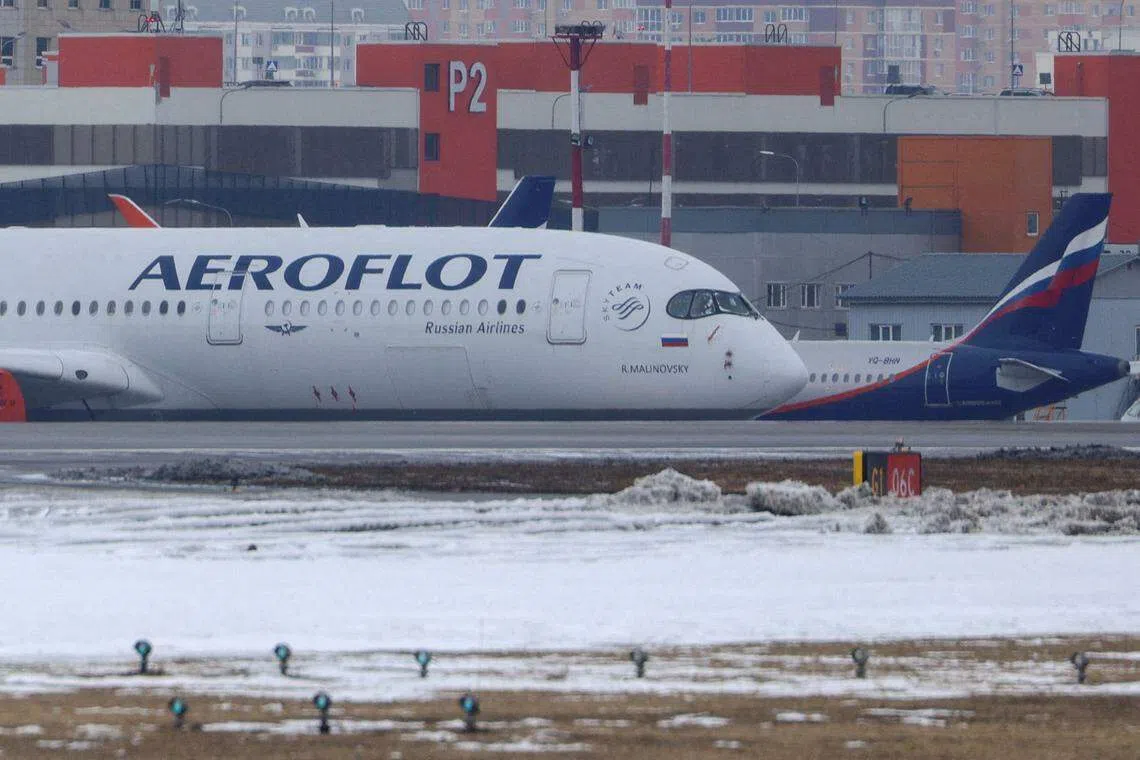
Higher insurance costs arising from the invasion of Ukraine by Russia could further push up lease rates. Aircraft lessors have lost most of the 515 planes leased to Russian airlines because of the Russia-Ukraine conflict and are seeking compensation from their insurers.
While all carriers are likely to be hit by higher lease rates, the degree to which each of them will be affected will depend on the proportion of their fleets that consist of leased aircraft, their lease expiry profile, credit quality and financial strength, the DBS analysts said.
For example, carriers with old leases or that have stronger credit metrics are not likely to be impacted as much.
Fitch Ratings’ Chen said lease rates also depend on the aircraft type, the lessees’ credit profile and the lease terms, which vary across the sector.
Elevated fuel prices and the urgency to decarbonise also bolster the case for airlines to lease their planes, because the leading lessors own newer and more fuel-efficient aircraft models. These new workhorses consume 20-30 per cent less jet fuel.
New York-listed Air Lease Corporation said in May that it was getting requests for lease extensions earlier, 1 to 1.5 years before the lease expires, compared to 8 months to 1 year in the past.
As air carriers increasingly lease their planes, DBS analysts expect 60-65 per cent of aircraft deliveries over the next few years will go to lessors, leading to lessors gaining a greater share of the global passenger aircraft fleet.
Lessors had a market share of 51 per cent as of December 2021, up from 47.3 per cent in January-2020.
Asia Pacific carriers account for 40 per cent of single-aisle and one-third of widebody Boeing planes on operating leases currently.