

Airline bookings surge as travellers rush to lock in fares
The global aviation industry has been thrown into disarray since the US and Israel began bombing Iran on Feb 28
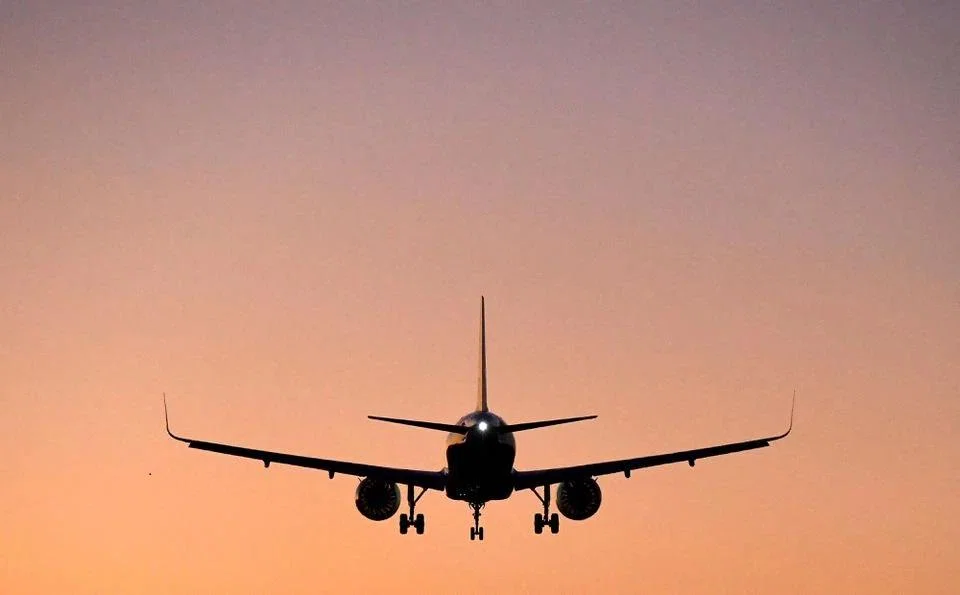
[NEW YORK] US airline executives are seeing some of the strongest booking trends in the industry’s history as travellers snap up tickets before rising fuel costs drive up fares.
Delta Air Lines now expects sales to grow in the high single digits to March, after previously guiding for a range of 5 to 7 per cent growth. American Airlines Group, meanwhile, said revenue in the quarter will rise more than 10 per cent, a record for the company, even as more-expensive fuel pushes earnings projections to the more pessimistic end of its range.
The upbeat pronouncements show that airlines in the world’s biggest aviation market are reaping the benefits of consumers’ rush to lock in fares before they jump because of costs triggered by the Iran war. Delta and American Airlines both said that they had some of the strongest-ever single days of sales in March, suggesting customers are locking in prices now ahead of the busiest months of travel.
“When prices did spike, we saw a spike in demand,” Alaska Airlines chief executive officer Ben Minicucci said during his airline’s presentation at the Tuesday (Mar 17) conference. “I think people got this initial, ‘Wow, if this thing is going to go crazy, I better book my fare now before fares go up’.”
Already, fuel charges are starting to eat into the bottom line. American Airlines said that the rapid increase means it now expects its adjusted loss per diluted share to be towards the lower end of its initial first-quarter guidance range of 10 US cents to 50 US cents.
Delta rose as much as 4.8 per cent in early US trading, while American Airlines jumped 5.2 per cent, putting it on track for its biggest gain in a month.
American Airlines could raise additional liquidity if fuel prices stayed elevated and if the demand environment changed, chief financial officer Devon May said at the conference. The carrier has unencumbered assets that it could use to raise additional cash, though it’s still early days, he said.
Delta chief executive officer Ed Bastian said that the airline saw a US$400 million spike in fuel costs so far this month. The airline projects first-quarter revenue of US$15 billion to US$15.3 billion, according to its presentation. Non-fuel unit costs in the March quarter will be up by mid-single digits compared with last year amid lower capacity and higher operating costs.
Cost per available seat mile excluding fuel, a measure of operating expenses, will be about 14.80 US cents to 15.10 US cents, the company said.
SEE ALSO
“We have tended to win in a period of challenge for the consumer,” Southwest Airlines chief executive officer Bob Jordan said in his presentation.
The carrier has rolled out premium initiatives to boost profit, such as more leg room and charging for checked bags. It also transitioned from its longtime open seating system and launched assigned seats earlier this year.
“When you see things like premium pull back, that’s where Southwest has won,” Jordan said. “We will be the carrier that weathers this the best.”
JetBlue Airways also provided an update for the first quarter. Demand for travel in the first quarter strengthened, the carrier said, partially offsetting additional expenses from disruptions such as recent winter storms and rising fuel costs.
The global aviation industry has been thrown into disarray since the US and Israel began bombing Iran on Feb 28. Along with having to navigate complicated flight paths around war zones, airlines have also been hit by surging jet fuel prices, which represent about a third of operating costs.
US airlines are more exposed to the higher prices as they do not hedge fuel, unlike their peers in Europe.
The Strait of Hormuz, a transit point for about a fifth of the world’s oil, remains effectively closed and has forced the likes of Saudi Arabia, the United Arab Emirates and Kuwait to reduce crude output, driving Brent oil past US$100 a barrel.
Airline passengers may see ticket prices increase and remain at high levels if the strait is not secured by Memorial Day, industry leaders said. BLOOMBERG
Decoding Asia newsletter: your guide to navigating Asia in a new global order. Sign up here to get Decoding Asia newsletter. Delivered to your inbox. Free.
Share with us your feedback on BT's products and services
TRENDING NOW

Once staunchly pro-China, Malaysian Chinese businesses are now distancing themselves from Beijing

Looking beyond looming CEO succession, should UOB potentially pursue a transformative merger?

Could stablecoins be the future of money?

Grab CEO’s wife Chloe Tong on life with Anthony Tan and finding her purpose

