Airline insurance premiums unlikely to rise after high-profile air-turbulence incidents: consultant
Some insurers in Singapore have not seen an uptick in claims from travellers stemming from such episodes in the past two years nor a higher uptake of travel insurance

IN SPITE of the recent spate of reported air-turbulence incidents, insurers will “very unlikely” hike premium rates that airlines have to pay, said an aviation consultant.
Meanwhile, insurers in Singapore have not seen an uptick in claims from travellers stemming from air-turbulence incidents in the past two years nor a higher uptake of travel insurance during the recent June school holidays.
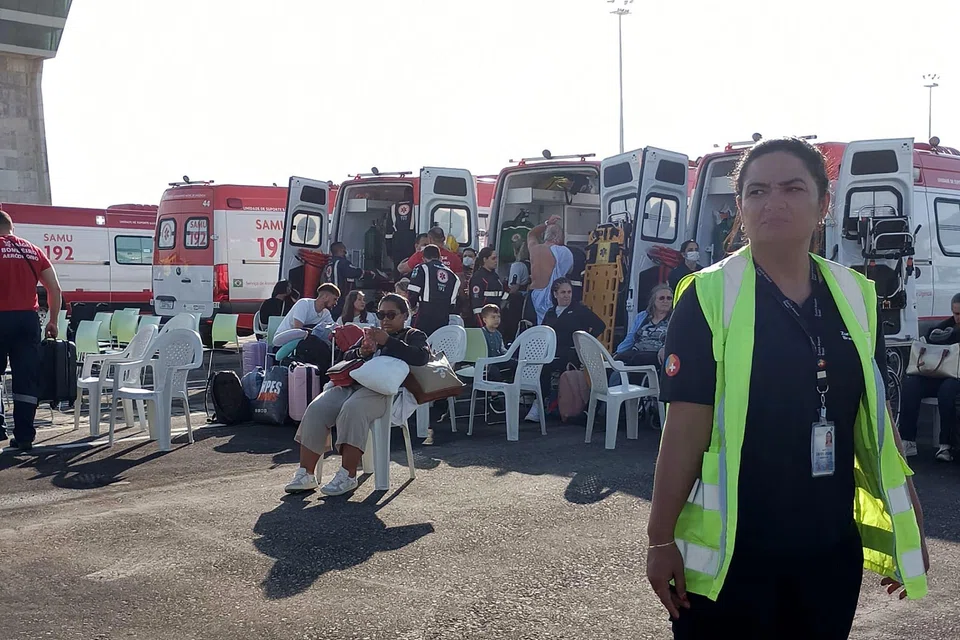
Singapore Airlines (SIA) , Qatar Airways and Air Europa in recent months all encountered sudden drops in altitude in their flights, resulting in passengers needing medical treatment and, in Singapore’s case, one fatality.
But carriers might not face higher insurance premiums.
Paul Hayes, director of air safety at aviation consultancy Cirium Ascend, told The Business Times that insurers will take all risk factors into account when pricing airline insurance, and possible turbulence events would be just one of many things and probably would not be given much, if any, specific weighting.
There are many factors that come into play in arriving at an insurance premium rate for airlines, he pointed out.
The cost of capital, insurance market conditions, the investment income climate, the availability and cost of re-insurance are probably the most important factors and they have nothing to with the actual airline risk.
When gauging the risk, insurers tend to take a rather broad brush approach, said Hayes, at least initially.
Aviation insurers would split the world into seven or eight regions, types of operators (large flag carrier, small cargo charter operation) and types of aircraft in the fleet (“new generation” Boeings or Airbuses, or one of old technology aircraft “old iron”).
“They will then turn to the individual airline and look at its specific risk profile, recent claims history, etc. A small cargo charter airline operating old aircraft in east Africa will probably have an insurance rate perhaps two or three orders of magnitude greater than a very large European airline operating new technology aircraft,” he commented.
The cost of insuring the aircraft and its passengers is “very small”, though. A commercial flight from London to New York may cost the airline the same as the free soft drinks and peanuts handed out during the flight, said Hayes.
SIA is compensating injured passengers on a flight that met turbulence in May with at least US$10,000.
The flag carrier declined to “provide details about our insurance plans or premiums due to commercial sensitivities”, when asked by BT whether there is a rise in the premium it pays after the incident and what is the proportion of the premium out of its total cost. Earlier, the carrier had told BT that it has a “comprehensive insurance policy in place that covers such incidents”.
While insurers have observed that some carriers do compensate their passengers for air-turbulence incidents, they advise travellers to be covered for their trips.
Raymond Ong, Etiqa Insurance Singapore’s chief executive, told BT that payout from airlines is not guaranteed, and their policies may vary in terms of coverage levels and timeline.
While compensation for certain incidents is made, policyholders may still be eligible to claim from their travel insurance.
Said Ong: “As insurance payouts typically operate on an indemnity basis, insurers will supplement coverage where airline payouts are inadequate.”
Annie Chua, vice president and head of key accounts management at Income Insurance, pointed out that travel insurance is important as it covers for a myriad of different unexpected scenarios beyond air turbulence.
But neither insurer has seen a significant rise in travel insurance uptake after the recent string of air-turbulence incidents. Nor did they encounter an increase in claims in the past two years arising from such events.
These insurers did not provide a definitive response when asked if travel insurance premium rates would rise in view of the air-turbulence episodes.
Etiqa Insurance Singapore – the official travel insurer at Natas Travel Fair 2024 – said that the insurer reviews travel insurance premiums periodically to ensure they remain competitive while adequately covering expected claims costs.
Said Ong: “This approach allows us to maintain a balance between providing comprehensive coverage and meeting the evolving needs of our customers.”
Income Insurance takes a holistic approach when it evaluates policies and premiums, considering factors including cost efficiency and changing risk elements, added Chua.
TRENDING NOW
Ex-Goldman trader builds mini pod shop in Singapore with offbeat hires
US says China to buy 10 million tonnes of coal in 2027 and 2028
Amberwood at Holland sells 23 of 70 units launched at average price of S$3,019 psf
He built the Vingroup empire. Now South-east Asia’s richest man is handing some key roles to his sons