

Airports dangle higher pay, better terms to deal with manpower shortage

Uma Devi
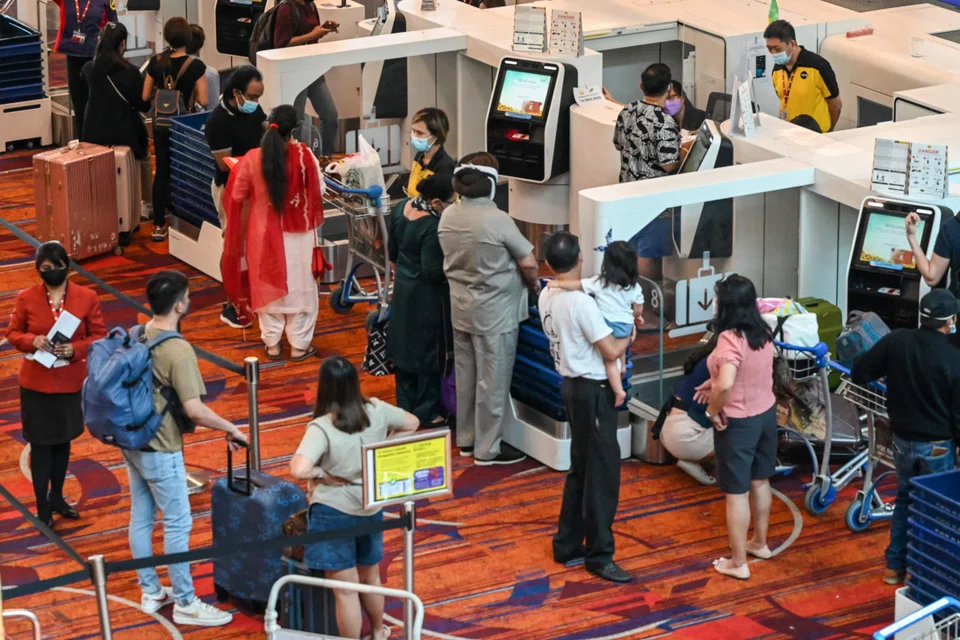
AS travel resumes after the brunt of the Covid-19 pandemic, airports around the world are struggling to cope with a surge in passenger volume. The manpower shortage has forced a number of major airports to review the salaries and employment terms they are offering to applicants.
Schiphol Airport in Amsterdam, for instance, has introduced a gross hourly summer supplement of €5.25 and private bus transport for employees in the likes of security, cleaning and ground handling from Jun 1 till Sep 5.
Over at Frankfurt, new staff members who are directly employed at FraGround – the airport operator’s subsidiary – are being offered an extra bonus to be paid out in tranches.
Fraport – Frankfurt’s airport operator – is also speaking to employee representatives and the relevant trade unions about possible wage adjustments for ground handling employees.
Airport operators across the globe have been unexpectedly overwhelmed by the return of travel following the relaxation of measures to curb the spread of Covid-19. Flights have been delayed, or even cancelled, and passengers report long waits at immigration and baggage claims.
A spokesperson for Schiphol Airport said there is a 10 to 15 per cent shortage in security staff. And at Frankfurt Airport, the manpower shortage is particularly apparent in ground handling.
Filling roles has not been easy.
“Jobseekers can choose from a large number of vacancies, while employers have difficulties to fill open positions. This situation is currently affecting the entire industry,” said the Frankfurt Airport’s spokesperson.
A spokesperson for Flughafen Zürich AG, the owner and operator of Zurich Airport, said ICT-positions or any positions related to electrical engineering are harder to fill.
Changi Airport and the Civil Aviation Authority of Singapore (CAAS) declined to respond to questions from The Business Times.
But Musdalifa Abdullah, managing director for dnata Singapore, one of the ground handlers operating at Changi Airport, said it has been more challenging to find the right candidates for specialised roles that require specific training or industry experience.
In Singapore, dnata is collaborating with partners in the education sector to ensure a healthy talent pipeline, and proactively reaching out to members of the community who were in roles related to enforcing local pandemic-related restrictions and are now looking to re-enter the workforce.
“Having conducted a salary benchmarking review for all roles last year, we are confident that dnata offers highly competitive salaries in the market,” said Abdullah.
Meanwhile, Lilian Tan, chief human capital officer at Sats, said most of the company’s 600 initial job positions have been filled, although more roles should become available as the industry “continues to progress”.
Linda Teo, country manager for ManpowerGroup Singapore, said aviation jobs that are customer-facing or related to operations and logistics may be difficult to fill in Singapore as the candidates for these roles are also in demand in various industries.
“Changi Airport will find it difficult to fill customer-facing and logistics jobs such as frontline passenger service operations and ground staff as they are highly sought after in other industries,” she said.
To attract more candidates, salaries will need to be competitive. The airport can also consider introducing perks such as offering more leave, training allowance and well-being support, she added.
Aviation companies can also look at “redesigning the jobs” to make them more appealing to jobseekers, such as by improving schedule flexibility.
TRENDING NOW

Two Singapore-listed palm oil firms named in Greenpeace report on Indonesian plantation fires
Singapore Airlines flight returns to San Francisco after ‘unruly’ passenger incident

Singapore looking into which companies responsible for haze-causing fires: PM Wong
Deluge IPO 3.86 times subscribed ahead of SGX debut

