

ANA profit misses estimates on low demand, higher costs
The weak yen exacerbated the airline’s fuel expenses as the price of oil rose versus the same period last year
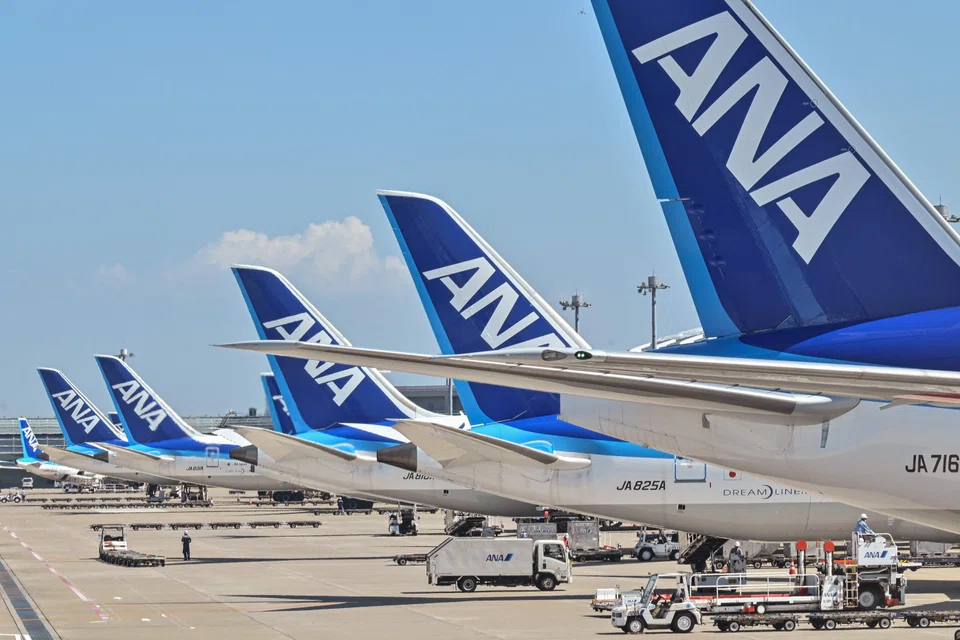
ANA Holdings’ operating profit plunged in the first quarter, failing to meet analyst estimates on increasing costs and weak domestic travel demand.
Japan’s largest carrier reported a profit in the three-month period through June of 30.4 billion yen (S$263.9 million), a decline of 31 per cent year-on-year and lower than the lowest analyst estimate. The fall comes as fewer passengers travelled on domestic routes in April and May compared with the year prior.
The company kept its projection for full-year profit unchanged at 170 billion yen, which is lower than the market consensus of 190 billion yen, as demand from international travellers remained robust, and a weak yen contributed to higher yields, especially on North American routes.
“A rise in oil and engine maintenance cost, as well as aggressive investment for human resource weighed on the first quarter earnings,” chief financial officer Kimihiro Nakahori at a press conference on Tuesday (Jul 30).
The weak yen exacerbated the airline’s fuel expenses as the price of oil rose versus the same period last year. A company-wide wage hike in March and a hiring spree also contributed to high costs.
While domestic demand remains weak, ANA saw a 16 per cent rise in passengers on international routes on strong demand for travel to Japan and outbound itineraries showed signs of recovering, the company said. The airline plans to start three new European routes from Haneda to Milan, Stockholm and Istanbul this winter, underscoring the boom in demand for travel to Japan.
The planned 30 per cent increase in operations on European routes will help ANA achieve its full-year profit target, the company said in a statement.
The yen has plummeted in value against the US dollar since the beginning of the year before strengthening again over recent weeks, adding to the risks the airline faces. In April, chief executive officer Koji Shibata said 125 yen to the dollar would be an ideal rate for the airline.
On Tuesday, the yen fell as much as 0.8 per cent to 155.22 yen per dollar as traders weigh the risk of the Bank of Japan adding a rate hike to an expected reduction in bond purchases this week.

On the yen’s recent fluctuations, Nakahori remained largely unperturbed Tuesday. “We have hedged yen’s moves for near-term earnings, and so it is unlikely to have much effect,” he said. BLOOMBERG
Decoding Asia newsletter: your guide to navigating Asia in a new global order. Sign up here to get Decoding Asia newsletter. Delivered to your inbox. Free.
Share with us your feedback on BT's products and services
TRENDING NOW

DBS, OCBC, UOB rout lops billions off STI as inflation, rate concerns spook investors

Grab CEO’s wife Chloe Tong on life with Anthony Tan and finding her purpose

OCBC sheds S$8 billion in value as shares close nearly 6% down; analysts cautious on banks

Deal between tycoon friends sparks scrutiny of Philippine power sector

