

Asian budget carriers need help to avoid Spirit’s fate
Policymakers must consider targeted measures in the form of loans, grants or fuel price relief
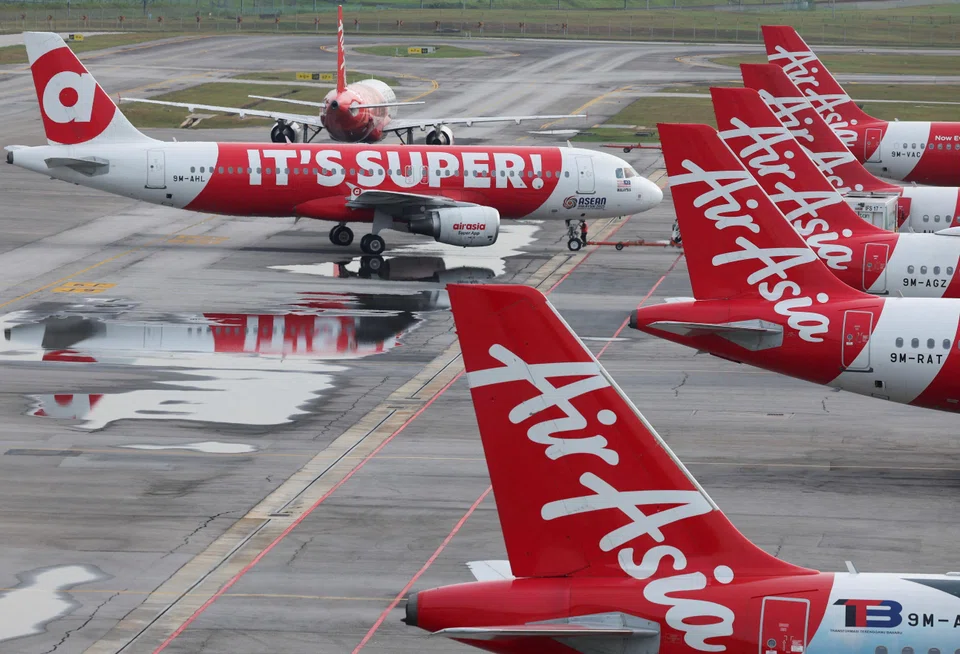
THE global jet-fuel crunch is hitting Asia’s low-cost airlines much harder than their full-service counterparts. governments should be preparing financial or operational support to avoid further flight cancellations during the busy summer travel season – as well as outright shutdowns like the collapse of America’s Spirit Airlines.
Discount carriers like Malaysia’s AirAsia X, Indonesia’s Lion Mentari Airlines and Cebu Air of the Philippines are already bearing the brunt of the energy shock. Policymakers must consider targeted measures in the form of loans, grants or fuel price relief.
The packages should differ by country and reflect conditions on the ground, but pandemic-era policies offer a sound starting point. The advantage this time around is that there is no shortage of demand. In fact, Asia is expected to hold onto the top position in terms of traffic growth this year, according to the International Air Transport Association, a trade association.
It is most exposed to the conflict in the Strait of Hormuz, taking more than 80 per cent of Middle Eastern oil and gas. The countries are divided between those poised to weather a scarcity of jet fuel and those that are not. Wealthier economies like China, Japan and South Korea are using their financial resources to procure fuel.
They have also employed strategies like cutting exports or fuel hedging – using contracts to lock in prices in advance – to maintain supply. Beijing even went so far as to tell its firms over the weekend to disregard US sanctions on private Chinese refiners tied to Iranian oil in a bid to maintain its energy security.
South-east Asia has fewer options. It is home to a number of Budget carriers that did not hedge when crude prices were low, meaning they must now pay the market rate. Airlines had started the year expecting cheap aviation fuel, their biggest single expense. Malaysia and Thailand also had resurgent currencies, which makes the commodity more affordable because it is denominated in US dollars.
But that was before the Iran conflict began in February. The price of jet fuel in Singapore, the Asian benchmark, has more than doubled to about US$200 per barrel. The difference between the price of fuel and the crude oil used to refine it, the so-called crack spread, hit a fresh record high above US$100 a barrel last week. Asian currencies are also weakening against the greenback, in part because of the energy crisis, further reducing their buying power.
The current price is unsustainable for privately owned low-cost carriers. AirAsia X is a case in point. Founded in 2001, the region’s largest Budget airline was decimated by the pandemic and was just getting back on its feet following a restructuring when the Iran war began.
With fuel accounting for up to 40 per cent of costs and 70 per cent of total expenses denominated in US dollars, according to Hong Leong Investment Bank, the airline is highly exposed to external disruptions. A US$1 increase in jet-fuel prices cuts earnings by around RM80 million (S$25.8 million), while a 10-Malaysian sen decline in the currency can affect profits by RM280 million, the bank says. It is not hard to see how the current shocks would eat into operating margins, which stood at 5.9 per cent last year.
SEE ALSO



That is why it was not a surprise when the airline announced last month it had raised ticket prices by up to 40 per cent and increased fuel surcharges by one-fifth. It had already cut flights by 10 per cent and closed unprofitable routes. Last week, its affiliate Thai AirAsia said it was reducing available seats by nearly a third. The worst-hit carrier in the region is Batik Air Malaysia, which has cut capacity by 35 per cent.
There have not been any murmurs so far about Asian Budget carriers falling into insolvency like Florida-based Spirit, for which surging fuel costs were the final straw. But governments should not be complacent. Still, with hard-hit countries like the Philippines declaring a state of emergency in response to fuel shocks, it is worth asking whether public resources should go to bailing out airlines.
Unlike the region’s flagship carriers, low-cost providers are not backed by sovereign wealth funds. And in Malaysia, Indonesia and the Philippines, they carry more passengers, too. The trio have a vast number of islands that cannot be connected by land transport, so affordable air travel offers a vital lifeline and should be supported to avoid further slowdown in business activity.
That could include subsidies, tax incentives or access to low-cost financing backed by public lenders. In Malaysia, where state-owned national oil and gas company Petroliam Nasional, better known as Petronas, is the dominant player in supplying jet fuel, there could a grace period offered to struggling airlines giving them more time to make payment.
The energy crisis has affected nearly all aspects of the global economy. It is not easy for governments under severe strain to figure out what to prioritise. But in South-east Asia, discount airlines offer a crucial service. Helping them should not be left too late. BLOOMBERG
Decoding Asia newsletter: your guide to navigating Asia in a new global order. Sign up here to get Decoding Asia newsletter. Delivered to your inbox. Free.
Share with us your feedback on BT's products and services
TRENDING NOW

Once staunchly pro-China, Malaysian Chinese businesses are now distancing themselves from Beijing

Looking beyond looming CEO succession, should UOB potentially pursue a transformative merger?

Could stablecoins be the future of money?

Grab CEO’s wife Chloe Tong on life with Anthony Tan and finding her purpose

