

Australian regulator moves to block Qantas-Japan Airlines deal
 Add BT as a preferred source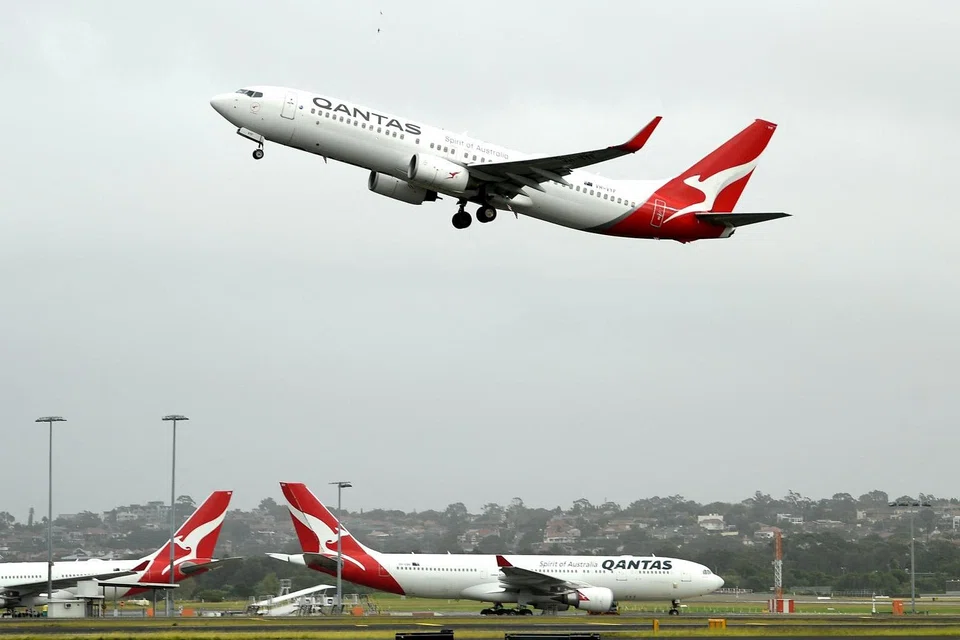
DeeperDive is a beta AI feature. Refer to full articles for the facts.
[SYDNEY] Australia's competition regulator on Thursday said it would block a pricing, code-sharing and scheduling deal between Qantas and Japan Airlines because it would likely mean higher fares for passengers.
Qantas had claimed the five-year agreement - proposed in late 2020 - would speed the pandemic recovery and "better serve customers" by improving connections between 29 smaller cities in Australia, Japan and New Zealand.
The Australian Competition and Consumer Commission said in reality cooperation would cause "severe harm to competition" and "eliminate any prospect of Qantas and Japan Airlines competing for passengers".
Before the coronavirus pandemic, Qantas and Japan Airlines had dominated the market for flights between Tokyo and Australia's two largest cities, Sydney and Melbourne.
The world's major airlines have seen profits plunge since the pandemic began, with many receiving taxpayer bailouts to survive.
As international travel slowly returns and airlines have tried to claw back profits, at times bumping up against rules designed to protect passengers.
Navigate Asia in
a new global order
Get the insights delivered to your inbox.
Australia's regulator said it was open to granting exceptions to aid airlines' recovery, but not at the expense of reducing competition in the long term.
"The ACCC can only authorise these agreements if the public benefits from the coordination outweigh the harm to competition," ACCC Chair Rod Sims said.
"At this stage, we do not consider that Qantas and Japan Airlines' proposal passes that test."
The airlines have until 27 May to make their case before the ACCC makes its final determination.
AFP
Decoding Asia newsletter: your guide to navigating Asia in a new global order. Sign up here to get Decoding Asia newsletter. Delivered to your inbox. Free.
Share with us your feedback on BT's products and services
TRENDING NOW

Autobahn Rent A Car directors declared bankrupt over S$50 million each owed to DBS

Higher costs, lower returns: Why are Singaporeans still betting on real estate?

Richard Eu on how core values, customers keep Singapore’s TCM chain Eu Yan Sang relevant
Loyang Valley sold for S$880 million to SingHaiyi-led consortium

