

Aviation leaders tackle industrial and geopolitical headwinds
Asia-Pacific is the world’s fastest-growing region for air travel
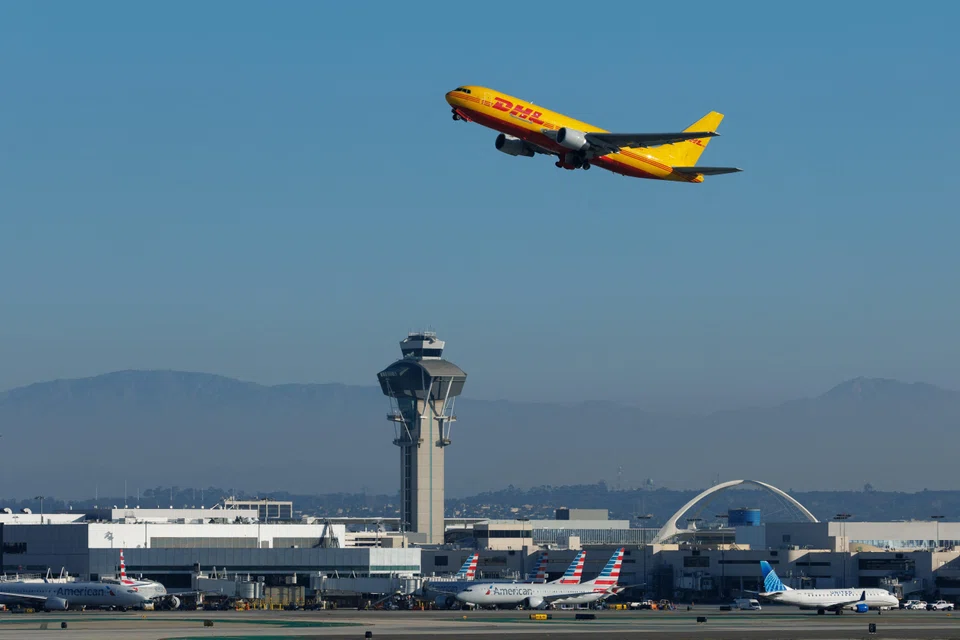
[SINGAPORE] Aviation leaders tackled barriers to growth and the impact of geopolitical tensions on the eve of the Singapore Airshow on Monday, while reaffirming pledges to reduce emissions.
Supply chain problems are hurting global airlines and will remain for some time to come, the head of the International Air Transport Association warned industry leaders and regulators.
“This disruption continues to have a major impact,” IATA Director General Willie Walsh said at the Changi Aviation Summit, ahead of Asia’s largest air show.
The aviation industry is also navigating geopolitical changes including US import tariffs that have upended flows of air freight.
“I think the impact of geopolitical change was much more obvious on the air cargo side of the business than on the passenger side,” Walsh said.
Air cargo shipments between Asia and North America slipped 0.8 per cent last year in the first such decline for some time, while volumes between Europe and Asia increased by 10.3%, he added.



The Asia-Pacific region is the world’s fastest-growing region for air travel, propelled by China and India, with passenger traffic growth of 7.3 per cent projected for 2026.
Toshiyuki Onuma, president of the governing council of the International Civil Aviation Organization, the United Nations’ aviation body, warned aviation would struggle to keep up with projected growth without coordinated action.
“A system built for 4 billion passengers cannot support three times that number without transformation,” he said. REUTERS
Decoding Asia newsletter: your guide to navigating Asia in a new global order. Sign up here to get Decoding Asia newsletter. Delivered to your inbox. Free.
Share with us your feedback on BT's products and services
TRENDING NOW

Two Singapore-listed palm oil firms named in Greenpeace report on Indonesian plantation fires

Singapore Airlines flight returns to San Francisco after ‘unruly’ passenger incident
Singapore looking into which companies responsible for haze-causing fires: PM Wong
Deluge IPO 3.86 times subscribed ahead of SGX debut

