

Beijing steers green cars in a new direction
 Add BT as a preferred source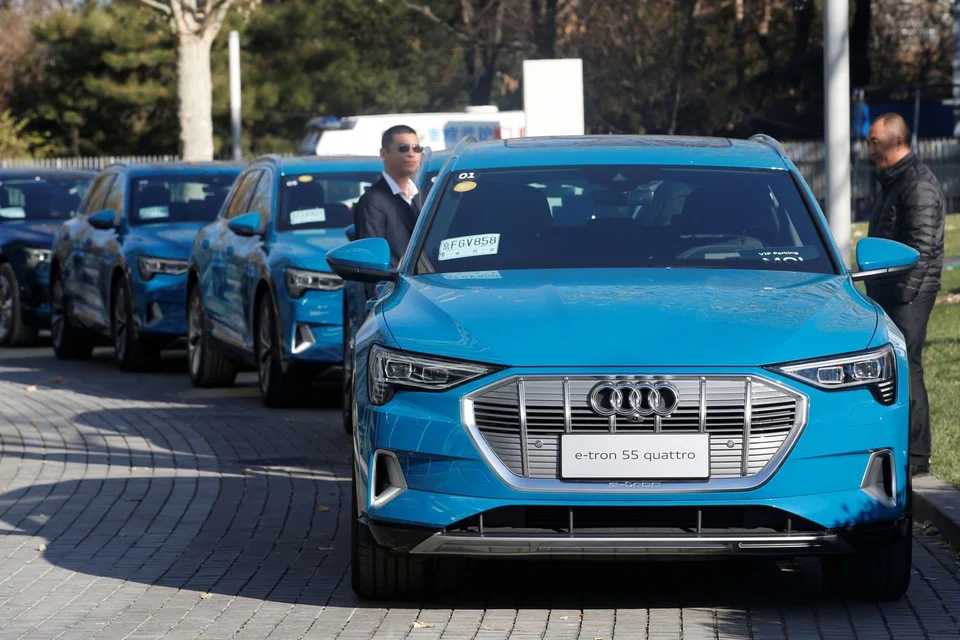
[HONG KONG] China is driving clean cars. The country accounts for four of every 10 electric vehicles sold globally. Shrinking subsidies, however, have exposed tepid demand that will lead the state to provide greater support for other sorts of green vehicles instead. That would recharge some carmakers more than others.
Until recently, policymakers have favoured less-polluting "pure" electric powertrains. Buyers want a bargain, though. Sales of so-called new energy vehicles tumbled by almost a third between July and October after the government in June withdrew roughly half the related financial assistance it had been providing.
Hybrids, which combine combustion engines with battery power, are less of a hard sell for conservative consumers and are cheaper to manufacture. That promises a better return on investment for carmakers and policymakers alike. Since the technology already exists, China can simply adjust existing policies to stoke sales.
Recent proposals suggest that is what's coming. They would reclassify hybrids as "fuel-efficient vehicles" so they count towards clean-car quotas. That will endear the technology to manufacturers, for whom greener models must make up at least 12 per cent of sales in 2020, and more in the years ahead.
With the world's largest car market backing the technology, 2020 could be the start of a hybrid decade, analysts at Morningstar reckon. Toyota and Honda are two companies with a strong mix of models and a firm foothold in major markets. That gives them a formidable head start over rivals and should help them increase their market share in China. Suppliers specialising in related parts, such as BorgWarner, are also in a strong position.
Electric evangelists will suffer. Tesla, Nio and many other Chinese startups have been counting on Beijing's support. They can't necessarily afford to develop a different core at short notice. Instead, they may be forced to wait out the hybrid hype in the hope that falling costs can soon bring batteries to the mass market affordably.
If they have the capital to wait it out, their patience might pay off. Electrification could be the ultimate destination, but China will change the route for what promises to be a long and winding transition.
Sales of new energy vehicles in China fell 29 per cent in the July-October period from a year earlier after the authorities cut subsidies by around 50 per cent in June, according to Nomura research published on Nov 29. That compared with growth of 60 per cent in the first six months of the year.
REUTERS
Share with us your feedback on BT's products and services
TRENDING NOW

Ohmyhome Ltd sells real estate business for token US$1 due to poor business and continued losses

Buyer for England striker Harry Kane’s former mansion must pay £3.4 million after abandoning deal

As luxury retail goes big, can Singapore’s Orchard Road keep up?

Malaysian tycoon Vincent Tan’s sell-downs point to pruning rather than an exit plan

