

Boeing, SpaceX unlikely to make manned flights to ISS in 2019
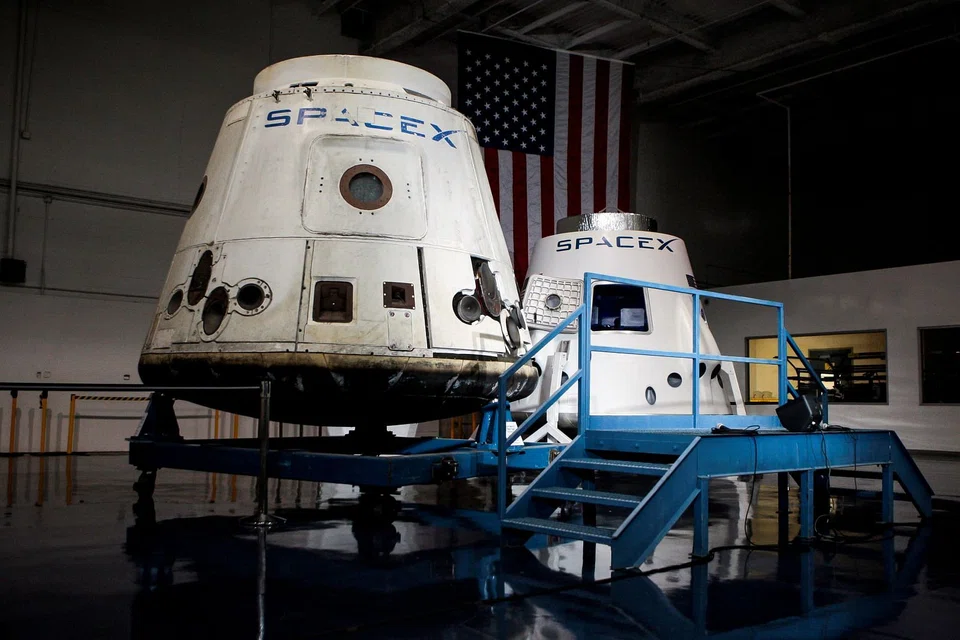
[WASHINGTON] Boeing and SpaceX are unlikely to be able to send astronauts to the International Space Station (ISS) next year, according to a US government audit report, resulting in a possible gap in the US presence on the spacecraft.
The two companies were engaged by the US space agency Nasa in 2014 to develop rockets that could transport astronauts to the space station when the current contract with Russia's Soyuz expires in November 2019.
But neither company is expected to be ready to carry out manned flights by that date because of various delays in certifying their programs, the independent Government Accountability Office (GAO) said in a report published Wednesday.
"There may be a gap in (US) access to the ISS if the Commercial Crew Program experiences additional delays," the GAO said.
"While Nasa has begun to discuss potential options, it currently does not have a contingency plan for how to ensure an uninterrupted presence on the ISS beyond 2019," it said.
"It is possible that neither contractor would be ready before August 2020, leaving a potential gap in access of at least nine months," the GAO said.
The report said the United States could seek to obtain additional Soyuz seats but that may prove difficult.
"The process for manufacturing the spacecraft and contracting for those seats typically takes three years - meaning additional seats would not be available before 2021," it said.
NAsa ended the US space shuttle programme in 2011 and has relied on Russian rockets since then to carry US astronauts to the space station.
Boeing, which is developing a manned capsule called Starliner, is not expected to be certified until December 2019 instead of the January 2019 target date.
Certification of SpaceX's Dragon capsule is not expected until at least January 2020 instead of February 2019.
There are currently three Americans, one German and two Russians aboard the space station, where astronauts generally stay five or six months.
AFP
Share with us your feedback on BT's products and services
TRENDING NOW

Gas Supply may pursue remedies if contract breached following Indonesia’s export cuts: Tan See Leng

Why the biggest business decision about AI isn’t which model to choose

If Europe goes to war, the fallout will be felt in East Asia
Singapore expects all parties to honour commitments, says PM Wong after Indonesia cuts gas exports

