

Brazil's Gol woos business fliers with rare onboard Wi-Fi
Upgrade is part of airline's effort to snag more of the country's dwindling band of corporate passengers
Sao Paulo
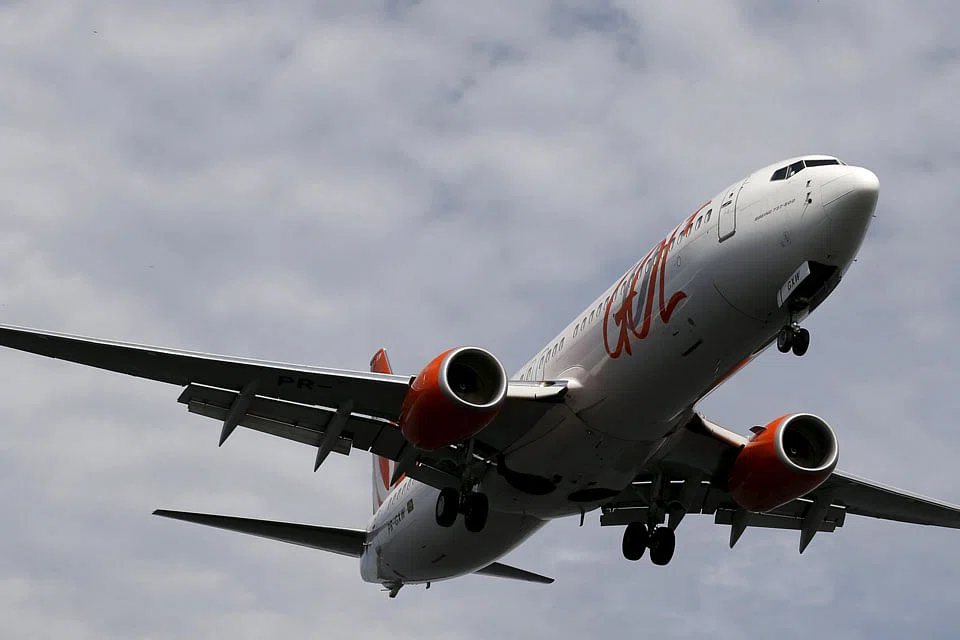
AS Brazil's deepening recession keeps many business fliers at home, discount airline Gol is trying to grab market share with a rare amenity in Latin America: Wi-Fi.
Taking a domestic flight in Brazil means having to forgo checking e-mail, long after Internet access became standard on all major US carriers for most trips. For busy executives, even the 45-minute hop between Sao Paulo and Rio de Janeiro can be excruciating when forced offline.
The technology upgrade is part of Gol Linhas Aereas Inteligentes SA's effort to snag more of the country's dwindling band of corporate passengers. Carriers prize those travellers because they tend to buy costly, last-minute tickets - and Gol's average fare per kilometre flown is the lowest in Brazil.
Said Mario Bernardes Junior, a Banco do Brasil SA analyst: "For a while, Gol will be the only company offering the service. In the past, they had the image of a low-cost airline that didn't attend to their customers well. That's no longer true. Now, they fully attend to passengers, and in the long term, this drives loyalty."
Gol is targeting a mid-2016 debut for Wi-Fi service. While the airline isn't giving details on costs, chief executive officer Paulo Sergio Kakinoff said a capital increase approved by the board last week would help finance recent investments.
"Being able to be reached up in the air would be extremely useful," said Eduardo Fischer, co-CEO at homebuilder MRV Engenharia e Participacoes SA and a frequent flier to Sao Paulo, Rio de Janeiro and Belo Horizonte.
There's a precedent for pursuing high-profit passengers in tough economic times. Delta Air Lines, a minority Gol shareholder with a seat on the board, closed its purchase of Northwest Airlines to become the world's biggest carrier even as the 2008 financial crisis deepened.
Along with inflight Wi-Fi, Sao Paulo-based Gol unveiled a new logo last week, has installed GPS technology to ease check-in and flight changes, and is adding leather seats that boast more legroom.
"We're proud and anxious to speed up the implementation of these items because they're very important" in luring business travellers, Mr Kakinoff said in an interview in Belo Horizonte.
Gol could use more higher-paying passengers. The stock's 61 per cent plunge this year through Wednesday was the second-biggest drop on the benchmark Ibovespa index. Chile's Latam Airlines Group SA, parent of Brazil's Tam, isn't faring much better: Its slump was 38 per cent.
Mr Kakinoff has said business travel on some Brazil routes has tumbled as much as 40 per cent this year. It's a refrain heard from other carriers, too, as Brazil's economy heads into its worst recession in 25 years: They've had to drop prices to keep planes full. Business fares fell 8.5 per cent in the first three months of 2015 from a year earlier, according to the Brazilian business travel agency association, known as Abracorp.
Gol and Tam both experimented with Wi-Fi in the past, and neither kept the service for long. Other holdouts in the region include major carriers such as Colombia's Avianca Holdings SA, Panama's Copa Holdings SA and Grupo Aeromexico SAB, according to industry data tracker SeatGuru.com.
Other airlines in Brazil are also weighing technology upgrades. Tam is seeking approval to offer limited onboard entertainment in 2016. Azul SA, created by JetBlue Airways founder David Neeleman, said it's studying the viability of Wi- Fi. Closely held Avianca Brasil is looking into potentially offering the service in the future.
Even with the improvements made by Gol, air service in the region isn't on a par with that in other markets, said Jay Sorensen, a former Midwest Airlines executive who now runs aviation consultant IdeaWorksCompany.com in Shorewood, Wisconsin. Gol, for example, operates long-haul flights to the US without offering a premium cabin, he said.
"If they want to compete, they need to compete on a global scale, especially since they stuck their nose into the US market," Mr Sorensen. "They're playing catch-up - I'm being somewhat of a taskmaster here because I want to hold South American aviation to a global standard." BLOOMBERG
TRENDING NOW

He built the Vingroup empire. Now South-east Asia’s richest man is handing some key roles to his sons

Seatrium allocates S$200 million for new share buyback programme
32 companies, 6 individuals bag accolades at Singapore Corporate Awards 2026

Stocks to watch: Mapletree Logistics Trust, Seatrium, Keppel DC Reit, Food Empire

