Brexit adds extra hurdle for UK pilots striving to keep jobs
 Add BT as a preferred source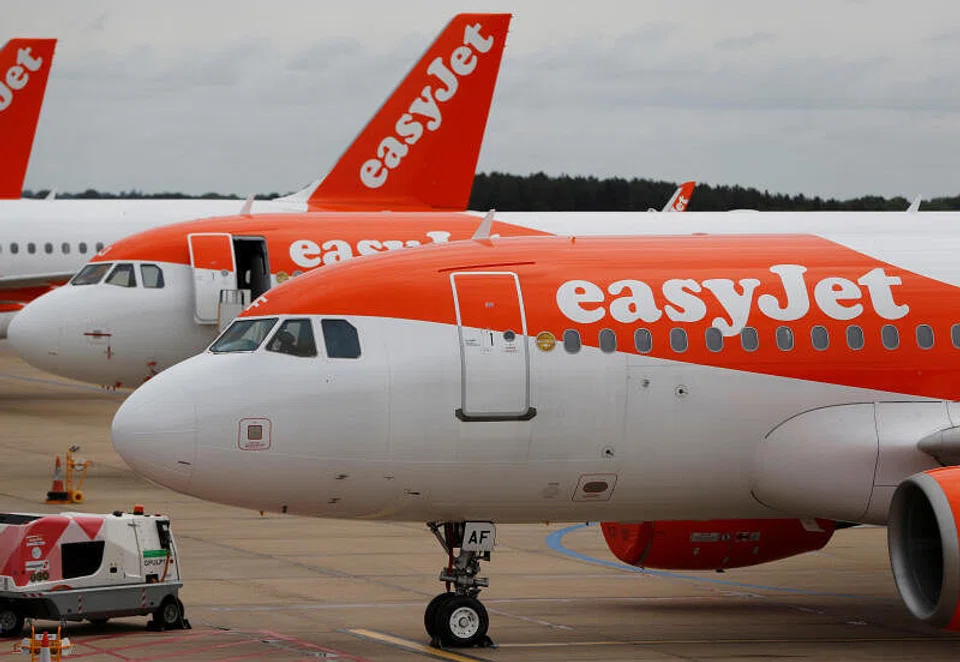
DeeperDive is a beta AI feature. Refer to full articles for the facts.
[LONDON] British pilots already fearing for their jobs as the coronavirus crisis hammers air travel face a new risk as a potential no-deal Brexit threatens to deprive them of the right to fly European Union-registered planes.
With the UK's split from the EU set to be completed on Dec 31, there's no agreement in place that would allow aviators holding UK licenses to serve the bloc on anything other than British planes. The country's Civil Aviation Authority has in contrast said it will continue to recognise EU documentation for a further two years.
That's a particular problem for pilots at airlines such as EasyJet Plc, which has its headquarters in Luton, England, but flies from multiple bases across Europe using three different air-operator certificates.
Without a reciprocal deal, "there will be consequences for the efficiency of UK airlines and for the future of the UK pilot profession," said Brian Strutton, general secretary of pilots' union BALPA.
European airlines have already slashed more than 75,000 jobs, based on a Bloomberg tally, part of efforts to manage an anticipated sluggish recovery from the Covid-19 pandemic. EasyJet is considering the removal of a third of pilot positions and has closed three UK bases, while Virgin Atlantic Airways Ltd. said Friday it will eliminate 1,150 more jobs to preserve cash.
Negotiation Period The licensing issue for pilots mirrors concerns across other parts of the economy, with companies spanning broadcasting through financial services to architecture facing the prospect of having to establish an EU presence or acquire EU-recognized qualifications in order to legally operate in the bloc.
Navigate Asia in
a new global order
Get the insights delivered to your inbox.
While the UK left the EU on Jan 31, the agreement on how the separation would be managed included a transition period for the negotiation of a wide variety of matters on which the two sides remain far apart.
The CAA's director, Richard Stephenson, said that pilots with UK licenses who want to operate EU-registered aircraft can transfer their license to an EU member state, as some pilots have already done. He added that the negotiations between Britain and the EU are ongoing.
The Department for Transport is seeking a bilateral agreement on aviation safety that would include mutual recognition of pilot licenses, according to a person familiar with the situation.
One EasyJet captain, who spoke on condition of anonymity, said the company recently advised against converting UK licenses to European ones because of the ongoing uncertainty over the final agreement with the EU.
EasyJet's British pilots have instead been told that they'll operate UK-registered planes, but as those comprise only 50 per cent of the fleet there are concerns that EU pilots will have an advantage as the carrier looks to cut jobs, the pilot said.
EasyJet, Ryanair A spokeswoman for the airline said EasyJet moved the licenses for its European-based crew to Austria in November 2018, while confirming that UK counterparts didn't change theirs.
Ryanair Holdings Plc, Europe's biggest discount airline, is based in Dublin and has its fleet registered in Ireland. It counts London Stansted as its biggest base and employs large numbers of British pilots. The company declined to comment on its licensing arrangements.
British Airways is less likely to be affected, since as a former flag carrier all of its planes are registered in the UK and most operate out of a single hub at London's Heathrow.
BLOOMBERG
Decoding Asia newsletter: your guide to navigating Asia in a new global order. Sign up here to get Decoding Asia newsletter. Delivered to your inbox. Free.
Share with us your feedback on BT's products and services