

Britain's Heathrow sinks to £2b loss during pandemic
 Add BT as a preferred source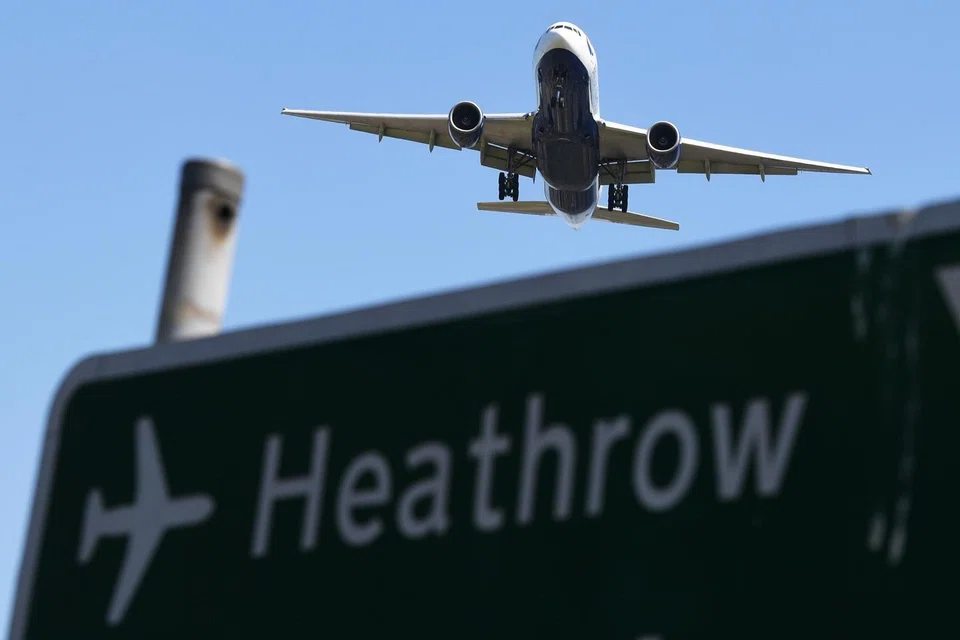
DeeperDive is a beta AI feature. Refer to full articles for the facts.
[LONDON] Britain's Heathrow Airport plunged to a £2 billion (S$3.74 billion) annual loss after passenger numbers collapsed to levels last seen in the 1970s during the pandemic.
Heathrow called on the government to agree a common international travel standard to allow passengers to start flying again in the summer and to provide business tax breaks for airports to help them ride out the crisis.
The airport, west of London, is hopeful that travel markets will reopen from mid-May after a government announcement on easing lockdown on Monday.
Still Britain's biggest airport, Heathrow last year lost its title as the busiest in Europe to Paris as its flight schedules contracted more than its rival's.
The airport said on Wednesday that during 2020 passenger numbers shrunk 73 per cent to 22 million people, with half of those people having travelled during January and February before Covid-19 shut down global travel.
The airport sunk to a £2 billion loss before tax on revenues which were down 62 per cent to £1.18 billion, but Heathrow said it had £3.9 billion of liquidity and that could keep it going until 2023.
Navigate Asia in
a new global order
Get the insights delivered to your inbox.
The airport is owned by Spain's Ferrovial, the Qatar Investment Authority and China Investment Corp, among others.
REUTERS
Decoding Asia newsletter: your guide to navigating Asia in a new global order. Sign up here to get Decoding Asia newsletter. Delivered to your inbox. Free.
Share with us your feedback on BT's products and services
TRENDING NOW

Why where you park your joint venture matters: Lessons from a US$689 million shareholder dispute

Richard Eu on how core values, customers keep Singapore’s TCM chain Eu Yan Sang relevant

A new logic of China-Asean economic integration emerges from the Middle East conflict

From 1MDB to ‘corporate mafia’: Is Malaysia facing a new governance test?

