

Carmakers may have to put brakes on China plans
Warning of sales slowdown comes amid slump in Chinese equities, which could exacerbate the situation
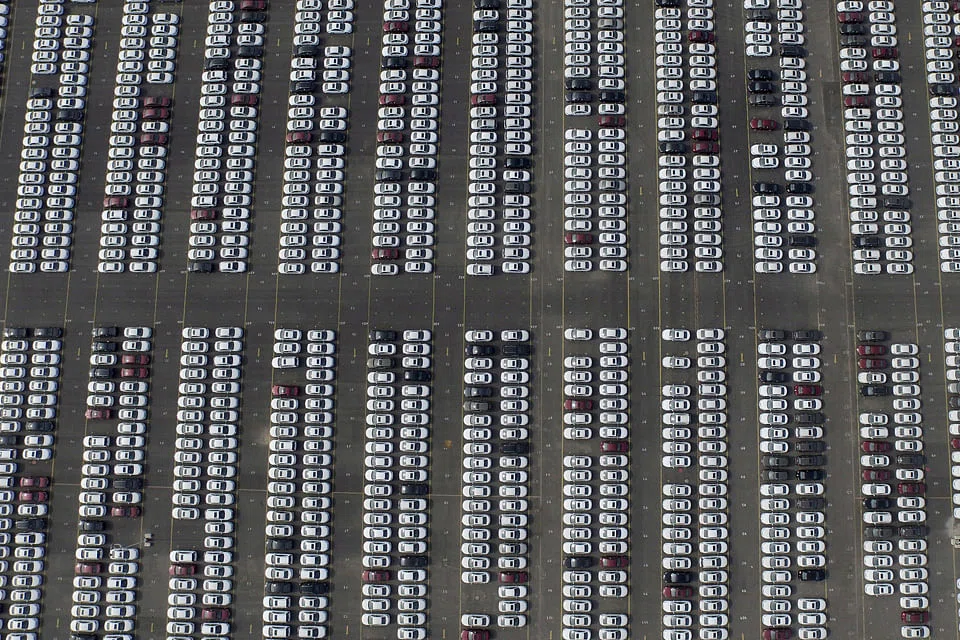
Shanghai
CHINA delivered an unwelcome message to global carmakers last week when it predicted that sales growth may just match Europe's this year, fingers crossed.
Amid an equities rout that's wiped out as much as US$4 trillion in market value, the state-backed China Association of Automobile Manufacturers projected passenger-vehicle sales to grow about 6 per cent this year, possibly less if the stock market doesn't stabilise.
In Europe, car deliveries are projected to climb 5 per cent this year after rising for the first time in seven years in 2014.
For years, car executives visiting China would cite the country's large population, low ownership rates and rising incomes in justifying the billions of dollars spent to build factories. These days, they are asked about price wars, struggling dealers and falling sales, underlining the rising concerns over China as the engine for global growth.
"It's become a real headache for automakers," said Klaus Paur, an independent car analyst in London previously based in Shanghai. "There's such an over-dependence on China for many carmakers, and they're still banking a lot on China."
Carmakers such as General Motors Co and Ford Motor Co are expanding more quickly in their home markets than China this year, a contrast to when global carmakers looked to the world's largest car market to prop up falling demand in the wake of the global financial crisis.
Volkswagen last year said it will invest more than 22 billion euros (S$33 billion) in China by 2019 with its local partners. GM's joint venture with SAIC Motor Corp said in April it plans to spend 100 billion yuan (S$21.8 billion) by 2020 to compete for market share in China.
Other carmakers will soon have more manufacturing capacity. Hyundai Motor Co is building two more plants in China by next year, while Renault has a factory set to open in the first half of next year. Fiat is set to start making Jeeps in China later this year.
"The massive investments from a few years ago will slow down, and everything that is going into capacity enhancement will have to slow down," Mr Paur said. "They'll have to put their foot on the brakes."
Volkswagen is closely monitoring the China market to ensure that its spending plan there is reasonable, the company said in an e-mailed response. Investments are planned on a five-year basis to keep flexibility, it said.
GM said that it remains committed to China and expects the car industry to keep growing, albeit at a slowing rate. "The market is clearly under some pressure," the company said.
Ford and Hyundai both said there are no changes to their China plans.
Foreign and local carmakers introduced price cuts in China in recent months to spur car demand, with little effect, as June retail car sales fell for the first time in more than two years.
The situation was exacerbated by a slump in Chinese equities, which drew consumers away from buying cars as their stock market investments plummeted. Consumers were cancelling purchases after putting down deposits for cars, said Cui Dongshu, secretary-general of the China Passenger Car Association, describing the stock-market slump as a "meat grinder" for car sales.
His counterpart at the China Association of Automobile Manufacturers, Dong Yang, used a Chinese proverbial equivalent of a curveball in describing how the equities rout hit unsuspecting carmakers already facing a decline in demand.
"If people have extra money, don't invest in the stock market," Mr Dong said in Beijing last week, when he announced the cut in forecast. "It would be nicer if people use it to buy cars." BLOOMBERG
TRENDING NOW

Higher rates, weaker spending: Is the Philippines entering stagflation?

Singapore’s deep-tech startups tap China for scale, set sights on the US for higher margins

Who are some of the longest-serving CEOs among Singapore’s blue-chip companies?

Grit built in the genes: Malaysia’s Lee Yeow Seng drives IOI’s bold Singapore push

