

Carmakers seek to diversify China revenues
BMW and others turn to training and after-sales to offset sales slowdown
Xi'an, China
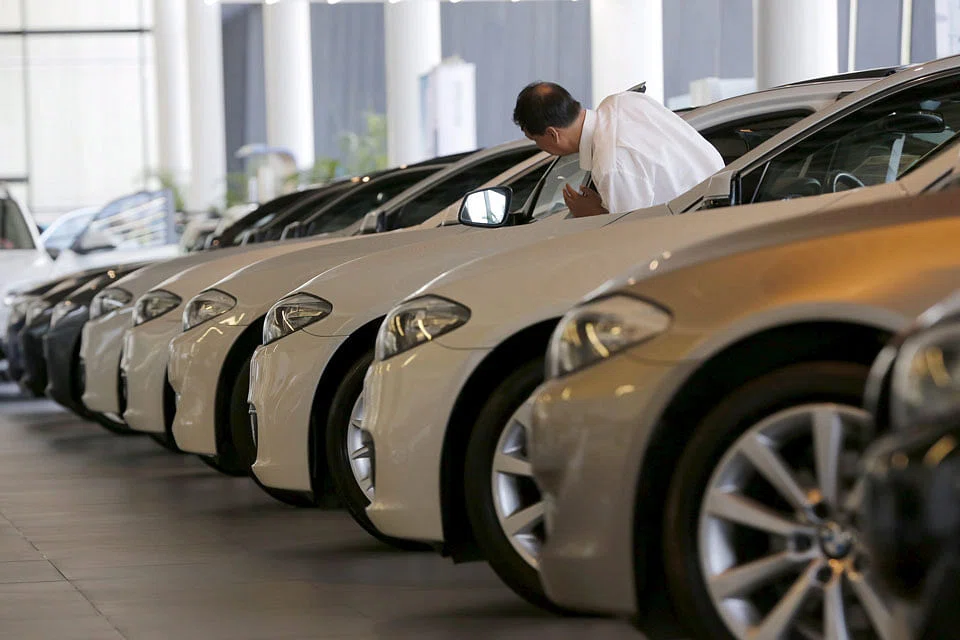
AS CHINA'S economy loses pace and car sales flatline, carmakers are having to redouble their efforts to squeeze every dollar from their dealerships - beefing up after-sales and financing services that are a staple in more developed markets.
New car sales still make up a "ridiculous" 70 per cent or more of dealer revenue in China, compared to as little as 5 per cent in a market like Britain, where dealers make most of their money from car repairs, insurance and car finance, said an executive at a chain of luxury dealerships in China.
For years, Chinese carmakers and their dealers had it easy. As China raced from being an undeveloped indigenous market to being the world's biggest - and a main growth driver for global manufacturers - new car sales sped along at double-digit growth. This year, sales may contract for the first time in at least two decades.
That's prompted global carmakers such as BMW to intensify training programmes, teaching dealers how to maximise revenue from businesses beyond just selling new cars.
In a classroom-cum-car repair service bay in Beijing last week, groups of BMW after-sales service managers huddled around tables, poring over spreadsheets on repair revenues per model and productivity per service mechanic.
Elsewhere, new recruits learn how to compose follow-up mobile messages to potential car buyers browsing the showrooms. That personal touch can later help drum up repeat after-sales business that might otherwise go to cheaper backstreet repair yards.
"We're under conditions that make us sweat with urgency, so we need to participate more in these mind-expanding activities and cooperate with the manufacturer to find a way to survive," said Xu Dapeng, who manages after-sales services for a BMW dealership in Beijing and attended last week's training.
As car sales in China soared since the mid-2000s, few manufacturers and dealers bothered to diversify their revenue streams. But around 60 per cent of all car dealerships now say they're losing money on each new car sold, prompting manufacturers to build out other ways to make money.
At BMW, where deliveries to dealers in China have grown just one per cent so far this year, this means putting recruits through sales "boot camp" and turning experienced staff into spreadsheet wonks.
The world's top luxury-car maker this month opened its largest Asia training centre in Xi'an in Shaanxi province. It is also rolling out online training phone apps and having in-house trainers at dealerships look after basic skills so training centres can focus on teaching more advanced skills.
Training classes have shifted to help dealers identify areas they can change for a quick improvement in results, said BMW's China training chief Xiao Yi. BMW is not alone in beefing up its training effort as the market becomes more challenging.
Lu Cheng, general manager of DZMC Training, who taught last week's BMW class, said there's more demand for such training sessions from all his clients, including Daimler AG and Porsche. His firm has increased its training staff by a fifth since last year.
Profits from selling new cars are being squeezed from competitive price-discounting, making it even more crucial to generate steady high-margin income from after-sales services. After-sales margins in China can be as high as 50 per cent - if a dealership is run efficiently - the luxury dealership executive said.
Training and increased after-sales revenue alone are however unlikely to offset the sales slowdown. Volkswagen and its luxury brand Audi, for example, are scaling back production and making other cuts. Reuters
TRENDING NOW

Nvidia reinstates Jensen Huang as CEO; Trump says move poses no national security risk

Beyond the greenback, Vietnam’s big borrowers turn to Asian-currency bonds

Indonesia’s coal tycoon Low Tuck Kwong replaced as Bayan Resources president-director

Six workers file employment claims against Crystal Jade Food Manufacturing

