

China files WTO complaint over US electric-vehicle subsidies
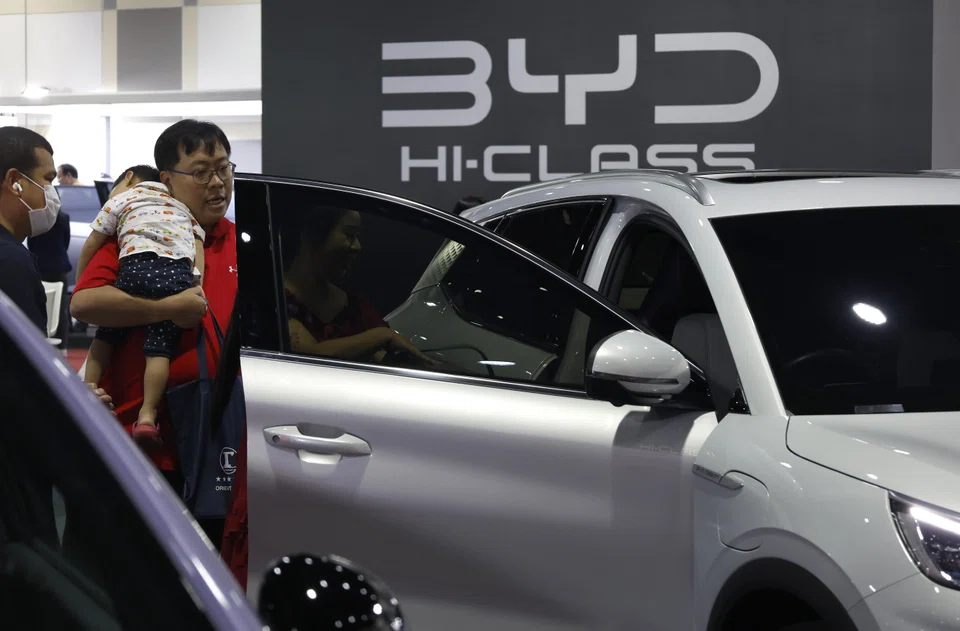
CHINA will sue the US at the World Trade Organization over rules that discourage electric-vehicle manufacturers from sourcing battery materials from China.
The Inflation Reduction Act and associated rules are “discriminatory” and have “seriously distorted” the global EV supply chain, the Chinese Ministry of Commerce said in a statement on Tuesday (Mar 26) announcing the lawsuit and calling on the US to reverse the policy.
The electric vehicle sector is increasingly caught up in tensions over trade and geopolitics. The European Union is likely to impose tariffs on EVs imported from China due to accusations of unfair subsidies, while world-leading Chinese battery firms are running into US resistance.
The complaint comes months after the US finalised restrictions that reduced the number of electric cars eligible for as much as US$7,500 purchase tax credits. The guidelines that went into effect beginning this year will eventually mean that vehicles containing battery components or raw materials sourced from “foreign entities of concern”(FEOC) will no longer qualify for credits.
Under the guidelines, any company that is subject to the jurisdiction of China’s government, or is controlled by the government – including if it’s at least 25% owned by a Chinese government authority – is considered an FEOC. The restrictions also apply to all production inside of China. However, foreign subsidiaries of privately owned Chinese companies in non-FEOC countries, such as Australia or Indonesia, will be allowed so long as they’re not controlled by the Chinese government. BLOOMBERG
Decoding Asia newsletter: your guide to navigating Asia in a new global order. Sign up here to get Decoding Asia newsletter. Delivered to your inbox. Free.
Share with us your feedback on BT's products and services
TRENDING NOW

Two Singapore-listed palm oil firms named in Greenpeace report on Indonesian plantation fires
Singapore Airlines flight returns to San Francisco after ‘unruly’ passenger incident
Singapore looking into which companies responsible for haze-causing fires: PM Wong
Deluge IPO 3.86 times subscribed ahead of SGX debut

