

China to spend additional US$128b on railways this year: Caixin
 Add BT as a preferred source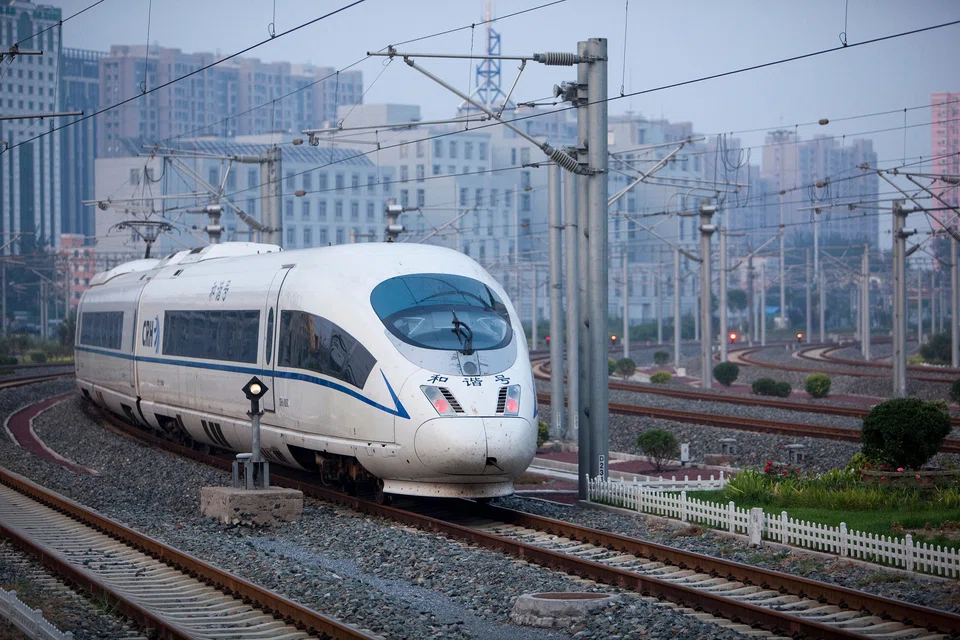
DeeperDive is a beta AI feature. Refer to full articles for the facts.
[SHANGHAI] China plans to spend a further 800 billion yuan (S$173.2 billion) on building railway tracks this year after exceeding its 2014 investment target, financial news magazine Caixin reported on Thursday, citing unnamed sources at the railways operator.
Caixin said the 2015 forecast was made by China Railway in a report it distributed at a national railway work conference.
It also said the 800 billion yuan target for this year could be adjusted based on investment demands, and could even surpass 2010's record investment of 842.65 billion yuan.
An official at China Railway's media department declined to comment on the forecast. The data was also not released on China Railway's website.
The government has signalled that it is keen to plough more cash into infrastructure both domestically and abroad as the economy slows, spurring the sector's stocks to their highest level since 2009.
On Jan. 16, the national planner approved US$8.6 billion of railway projects in the northern and southwestern parts of China.
Navigate Asia in
a new global order
Get the insights delivered to your inbox.
China Railway said on its website it spent 808.8 billion yuan in 2014 building 8,427 kilometres of new railway lines. The total rail network is now 112,000 kilometres long, while its high-speed rail network, already the world's longest, is now 16,000 kilometres long.
China Railway, formed after the Ministry of Railways was disbanded following a 2011 train crash, said it would focus its construction efforts this year on the central and western regions, and would vigorously promote local rail technology abroad.
REUTERS
Share with us your feedback on BT's products and services
TRENDING NOW

Why where you park your joint venture matters: Lessons from a US$689 million shareholder dispute

Richard Eu on how core values, customers keep Singapore’s TCM chain Eu Yan Sang relevant

A new logic of China-Asean economic integration emerges from the Middle East conflict

From 1MDB to ‘corporate mafia’: Is Malaysia facing a new governance test?

