

China tightens data rules for online ride-hailing firms
 Add BT as a preferred source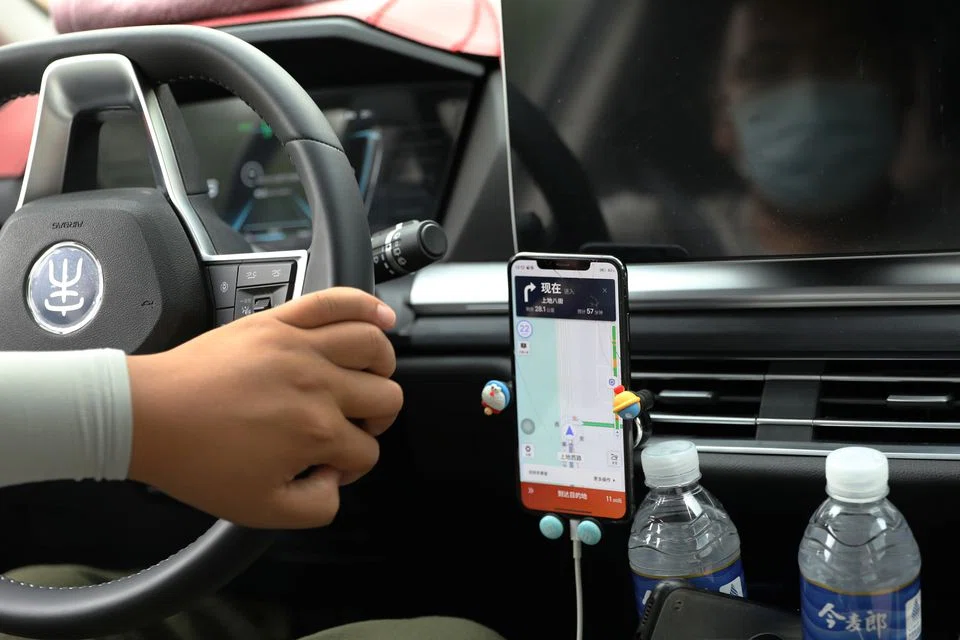
CHINA'S transport ministry on Friday (Jul 22) tightened existing rules governing how online ride-hailing firms should handle and share their data with regulators, a day after Didi Global was fined US$1.2 billion for illegally collecting and processing data.
The new measures are an update of similar rules announced in 2018 and give the government more control over data collected by these private companies.
Data generated by ride-hailing platforms cannot be used for commercial purposes, must be stored for at least 2 years in China, compared so 6 months previously, and it cannot be exported or shown to outside entities without regulatory authorisation.
The measures published on Friday also signal tighter regulatory scrutiny from the transport ministry.
"Periodically carry out security investigations, promptly rectify security risks and loopholes discovered, establish and complete a whole-process data security management system, and take necessary measures to prevent data from being tampered with, destroyed, leaked, or illegally acquired or illegally used," read one of the measures.
The new rules come at a time when expectations are on the rise that ride-hailing giant Didi Global's apps might be allowed to return to app stores and resume new user registrations.
The company was fined US$1.2 billion on Thursday, concluding a year-long probe that forced the ride-hailing leader to delist from New York within a year of its debut and made foreign investors wary about China's tech sector.
Regulatory tightening from the transport ministry highlights the new normal of prioritising compliance that companies like Didi have already begun adjusting to.
In June, the proportion of orders on Didi's platform deemed compliant with regulations rose from 39.5 per cent to 55.4 per cent year-on-year, according to transport ministry data. REUTERS
Decoding Asia newsletter: your guide to navigating Asia in a new global order. Sign up here to get Decoding Asia newsletter. Delivered to your inbox. Free.
Share with us your feedback on BT's products and services
TRENDING NOW
SIA sinks into the red with S$76 million Q1 loss as fuel costs jump

15-month wait-out curb lifted for private property owners buying HDB resale flats

Singapore banks’ battle for wealth talent goes beyond private bankers

New career paths, deeper client bonds: How SME founder made AI serve her employees, not replace them

