Domestic passenger ship safety comes under IMO spotlight
Manila Statement spells out ways to reduce disasters involving ferries in domestic waters
MANY of the worst shipping disasters over recent years have involved ferries on domestic voyages. While there have been great advances in safety in the international fleet as spelt out in the International Convention on the Safety of Life at Sea (Solas), those rules do not apply within domestic waters.
Last month, the International Maritime Organization (IMO) arranged a conference in Manila that has adopted guidelines to aid the process of reducing the "mounting toll" of accidents involving such vessels by addressing the question of whether a ship is fit for purpose in its intended role. The Manila Statement, adopted by the conference, acknowledges the "urgent need to enhance the safety of ships carrying passengers on non-international voyages in certain parts of the world and urges states to review and update national regulations in relation to their passenger ferries and to apply the guidelines, in order to address the continuing unacceptable loss of life and damage to the environment and property due to marine casualties and incidents involving such vessels".
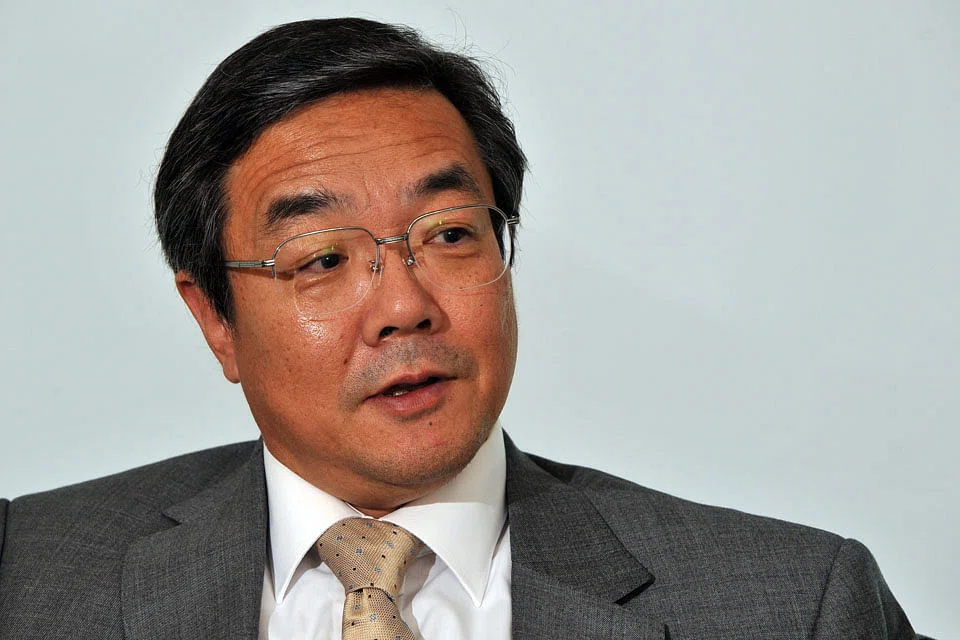
Speaking at the closing session of the conference, IMO secretary-general Koji Sekimizu said: "The public expects safety standards on domestic passenger ferries to be as strong as those on international vessels. The perils of the sea do not distinguish between ships engaged on international or non-international voyages and the protection of life at sea is a moral obligation. Those travelling by domestic ferries should enjoy the highest practicable standard of safety irrespective of their citizenship."
At first blush, that sounds fine, and pretty much stating the obvious. Think about it a little more deeply though and things are more complex. Domestic ships range from very large passenger ferries to canoes with outboards. The risks involved and the safety measures required vary greatly.
However, the Manila Statement seems to concentrate on the larger ships, highlighting that the safety of domestic ferries is a shared responsibility of central governments, local authorities, shipowners, shipmanagers, ship-operators, shipboard personnel, maritime education and training institutions, classification societies and organisations which governments authorise to survey and certify domestic ferries for compliance with the applicable laws, regulations and rules, insurance providers, port terminal owners and operators, and the public and civil society as users of the services provided.
"Casualties and incidents involving domestic ferries can be avoided if adequate laws, regulations and rules are developed and effectively implemented and enforced," Mr Sekimizu said. That is a big "if".
It is, though, important to push domestic ferry safety forward and the Manila guidelines are a good start. They address issues relating to the purchase of a second-hand ship intended to enter into service as a domestic passenger ship, a change in operating limits, the conversion or modification of a ship before the ship enters into service as a domestic passenger ship, passenger counting and voyage planning.
The guidelines can also be used to check the operation of ships that are already providing passenger services - to see if, say, passenger counting and voyage planning are done.
The Manila Statement also urges states that need technical assistance on matters relating to the operation of domestic ferries to turn to IMO or other states.
Ferry operator association Interferry has long been active in promoting safety and was one of the participants at Manila. While IMO's current work on domestic ferry safety is an excellent development, the owners of the, generally, larger and well run ferry operations represented in Interferry definitely have a continuing role to play.
The IMO initiative has been focusing on the bigger ferries while Interferry has also highlighted the dangers of smaller craft. From recent travels on the Danube and the Chao Phraya, I still think there are plenty of bad accidents waiting to happen.