

easyJet says pandemic causes annual loss of up to £845m
 Add BT as a preferred source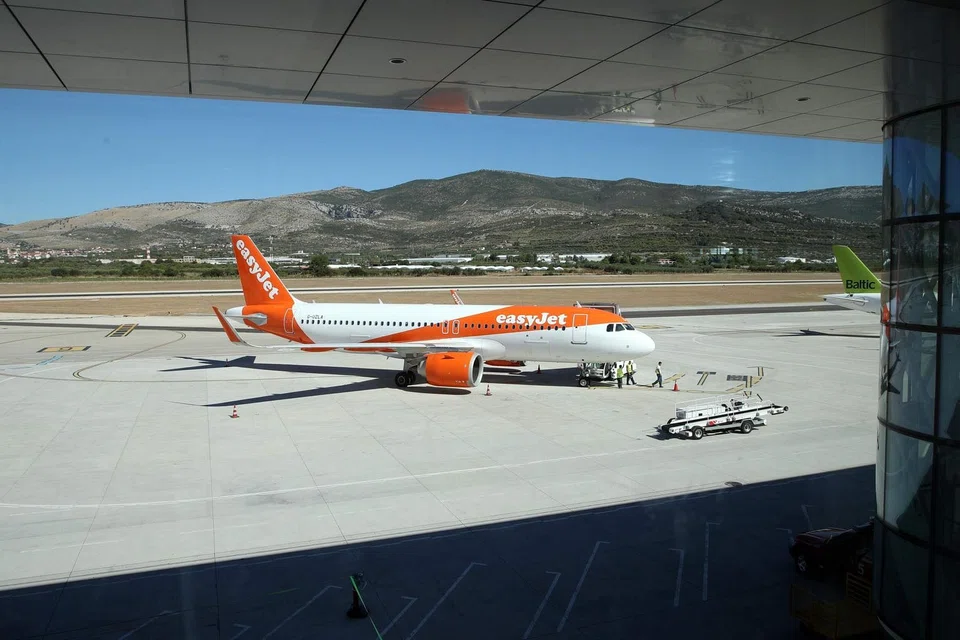
DeeperDive is a beta AI feature. Refer to full articles for the facts.
[LONDON] British airline easyJet warned it would report an annual loss of as much as £845 million (S$1.48 billion), its first ever, and said it kept its finances under review as the pandemic meant it was only flying 25 per cent of planned capacity.
The airline has signalled to the government that it may need further financial support, according to media reports on Thursday.
For the 12 months to the end of September, easyJet said it expects to report a headline loss before tax in the range of £815 million to £845 million, worse than the consensus forecast of £794 million, according to Refinitiv data.
That is the first time easyJet, which was founded in 1995, has ever made a full-year loss.
easyJet said that ongoing travel restrictions meant it would fly just 25 per cent of planned capacity for the rest of 2020, meaning its finances will continue to remain under pressure.
"easyJet will continue to review its liquidity position on a regular basis and will continue to assess further funding opportunities, including sale and lease backs, should the need arise," the airline said in its statement on Thursday.
Navigate Asia in
a new global order
Get the insights delivered to your inbox.
To survive the pandemic so far, easyJet has taken a £600 million loan from the government, cut 4,500 jobs; raised £608 million from selling aircraft and tapped shareholders for £419 million.
The company said it was focused on flying profitably to conserve cash and that had helped it reduce cash burn in its fourth quarter period compared to the third quarter.
The airline will formally report its annual results on Nov 17.
REUTERS
Decoding Asia newsletter: your guide to navigating Asia in a new global order. Sign up here to get Decoding Asia newsletter. Delivered to your inbox. Free.
Share with us your feedback on BT's products and services
TRENDING NOW

Autobahn Rent A Car directors declared bankrupt over S$50 million each owed to DBS

Higher costs, lower returns: Why are Singaporeans still betting on real estate?

Richard Eu on how core values, customers keep Singapore’s TCM chain Eu Yan Sang relevant
Loyang Valley sold for S$880 million to SingHaiyi-led consortium

