

Former Dyson Global CEO Roland Krueger on the road ahead for the car industry
He expects car sharing and subscriptions to become more common in places where owning a car is costly

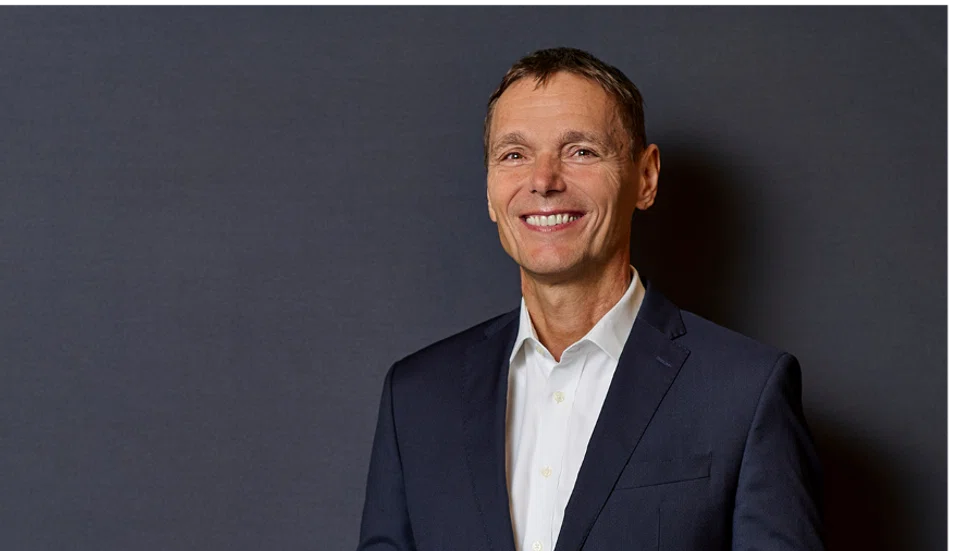
[SINGAPORE] Before Roland Krueger was leading global companies, he was reading books about explorers venturing into the unknown.
That fascination eventually took him to the South Pole and shaped the way he has approached boardrooms.
“If you fail to prepare, you prepare yourself for failure.”
Speaking to The Business Times correspondent Derryn Wong on the TransportBT podcast, Krueger reflected on going from designing the interior of the original Smart car to leading Nissan’s premium Infiniti brand and later helming Dyson.
The car that never was
People still ask about Dyson’s electric vehicle, which made it as far as a working prototype before the company decided to walk away.
Krueger doesn’t see it as a failed project, however. “Nothing went wrong, actually. We had a great car,” he said.
He is equally generous in his assessment of the man behind it.
“James Dyson is an incredible engineer and an inspiring innovator to everyone, and it is an honour to work with him and having worked with him.”
And of the car itself. “The car that was designed and that we designed was outstanding.”

He points to what it could have achieved. “It would have been the first car with a thousand-kilometre range at that time. We had a running prototype.”
But reaching that stage meant the next decision would be about much more than engineering.
“We were at the point where we would have to press the button and go forward with a business case and invest in broader terms into production and also into the setup for sales and marketing, and we decided that we are going to go back and invest into the core business of Dyson, and that was very successful.”
Looking back, he has no doubts. “In hindsight, it was the right decision.”
Knowing what you’re good at
That same thinking shapes how Krueger looks at today’s automotive industry.
“Every company or every organisation, to its core, has a specific strength. In a situation where the industry is going through changes or is challenged, what is key is to remember those strengths and build on them like the foundation, and then being bold enough to take decisions because you have the confidence, because of your strengths that you have developed over time.”
He is also wary of assuming there is only one path forward. “Most probably not,” he says, when asked if the future is purely electric. Instead, he expects different technologies to suit different markets.
“You will have to serve several sets of customers or several segments in several different areas of the world. And you can see that already, and that will continue to happen.”
Then there’s China
No conversation about the future of cars stays away from China for very long, especially since Chinese carmakers have entered the market at remarkable speed.
“The speed of innovation and the speed of introduction of new cars is very high at this point in time.” Noting that, “They’ve definitely also pushed the boundaries a little bit.”
Even so, Krueger is in no rush to call the outcome. “Time will tell about the success because it is a very capital-intensive industry.”
His advice to established manufacturers is not to dwell on the competition.
“Every competition should be motivation to become better. I wouldn’t underestimate the adaptability of the car industry.”
Why Singapore could be an early adopter
Krueger believes Singapore has one advantage over many other cities when it comes to autonomous vehicles.
“Singapore would be destined to see autonomous vehicles rather earlier than later because you have a well-managed traffic guiding system already, and that will help.”
He is just as interested in the technologies already finding their way into everyday driving.
“It will make cars safer and more drivable in very dense urban areas as well as outside. And that is a huge improvement, everyday improvement, everyday life improvement.”
Krueger also expects car sharing and subscriptions to become more common in places where owning a car is costly. “You have an environment where it is more difficult to own a car, therefore you go for car sharing or subscription models.”
Throughout Krueger’s career, the companies changed, the tech moved, but the philosophy never really waivered.
Prepare more than anyone else. Then go.
Decoding Asia newsletter: your guide to navigating Asia in a new global order. Sign up here to get Decoding Asia newsletter. Delivered to your inbox. Free.
Copyright SPH Media. All rights reserved.
TRENDING NOW

Once staunchly pro-China, Malaysian Chinese businesses are now distancing themselves from Beijing

Looking beyond looming CEO succession, should UOB potentially pursue a transformative merger?

Could stablecoins be the future of money?

Grab CEO’s wife Chloe Tong on life with Anthony Tan and finding her purpose

