Ghost oil ships dock in Venezuela, showing challenge for US
The ships are both bound for Asia
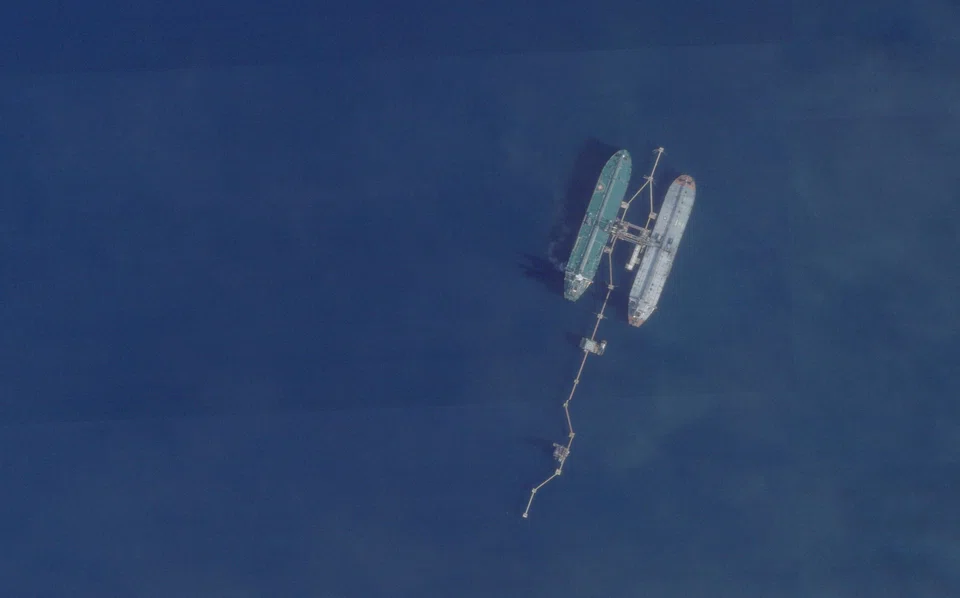
[HOUSTON] Two so-called ghost oil ships are currently loading off the coast of Venezuela, highlighting the challenges the Trump administration faces trying to disrupt exports of the South American country’s primary source of revenue.
The supertankers, the largest class of vessels used to move crude, are loading at the Venezuelan government-controlled port of Jose, according to a shipping report seen by Bloomberg. This month, up to Friday (Dec 12), Venezuela has loaded almost 880,000 barrels a day of crude oil, preliminary data from shipping reports and vessel movements tracked by Bloomberg show. That’s up from an average of 586,000 barrels a day in November.
The activity at the largest Venezuelan port comes two days after the US seized a tanker transporting Venezuelan crude, despite the prospect that the Trump administration may snatch more ships. The seizure is part of a pressure campaign against Venezuelan President Nicolas Maduro, aiming to deny him oil revenue and force him to relinquish power.
The test now is whether those ships will be willing to leave Venezuelan waters and risk seizure.
At the same time, the US renewed Chevron’s license to continue pumping oil in Venezuela, according to sources familiar with the matter. That renewal further underscores the bind the US is putting Maduro in.
Venezuela’s national oil company, Petroleos de Venezuela SA (PDVSA), has shrinking options to get its oil to market, typically sending it to China at heavy discounts. Chevron, in contrast, loads its share of Venezuelan oil and transports it to the US. It can also pump oil in partnership with PDVSA, but can only compensate the Venezuelan company with oil, not cash.
That’s why the ghost ships are crucial: PDVSA has to find some way to offload that oil to generate revenue. Its storage options are limited.
Houston-based Chevron said that its operations in Venezuela “continue in full compliance with laws and regulations applicable to its business, as well as the sanctions frameworks provided for by the US government”.
The US Treasury Department did not immediately reply to requests for comment regarding Chevron’s renewal, nor did PDVSA or Venezuela’s Oil and Information Ministries.

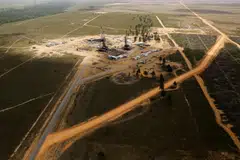
The potential loss of oil sourced from the world’s largest oil reserves could in theory, jolt global markets. But so far, the impact has been muted as the world faces a deluge of oil due to rising production in places like the US and Guyana. The International Energy Agency estimates the current oversupply at a record 3.8 million barrels a day.
Roughly 30 per cent of Venezuela’s oil exports, or 300,000 barrels a day, could be disrupted by the US actions, according to an estimate by energy consultancy Rapidan Energy Group.
The ghost ships, which disguise the oil’s origins to try to avoid sanctions, are set to load nearly four million barrels of Venezuela’s top exported Merey 16 crude oil, according to a shipping report seen by Bloomberg. The ships, operating under the fake names of Crag and Galaxy 3, are both bound for Asia. The true identity of ships docking in Venezuela is typically concealed by rags thrown over the ships’ names, so it’s unclear if they have been hit by US sanctions.
The presence of the two vessels was also confirmed by satellite imagery that shows the Jose offshore platform’s three berths occupied by the two supertankers and a third ship, the Aframax Nave Neutrino, chartered by Chevron. The US oil major is the only company authorised to lift Venezuelan oil under a license from the Treasury.
Over the past three months, the Trump administration has ordered strikes on boats in the Caribbean allegedly used in drug trafficking and has threatened possible attacks on Venezuelan soil. It stepped up its campaign with the seizure of the supertanker, called Skipper, for its purported involvement in the illicit oil trade that supports foreign terrorist organisations.
Maduro has called the act piracy and vowed to protect Venezuela’s natural resources. BLOOMBERG
Decoding Asia newsletter: your guide to navigating Asia in a new global order. Sign up here to get Decoding Asia newsletter. Delivered to your inbox. Free.
Share with us your feedback on BT's products and services