Global chip crunch unlikely to impact car deliveries here
Singapore
A WORLDWIDE shortage of microchips is unlikely to affect car deliveries in Singapore, even as supply chain fragility forces factories around the world to slow down or shut.
Ford, Nissan, Stellantis (the newly-merged Fiat Chrysler and PSA Group), Toyota and Volkswagen are among the carmakers that have had to roll back production due to semiconductor scarcity, but importers here say their current inventory should see them through until supply returns to normal.
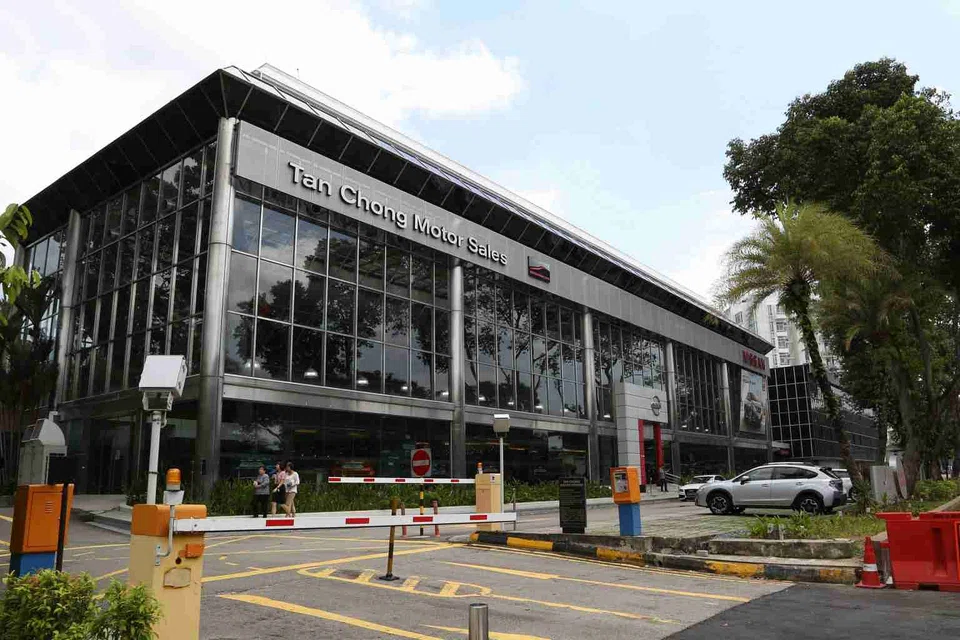
A spokesperson for Tan Chong Motor Sales, the distributor for Nissan here, told The Business Times that even though production of the Note has been affected by the chip shortage, the company has already secured its cars. The spokesperson said supplies of the popular electric-driven crossover will not be affected unless the production crunch lasts beyond the second quarter of the year.
Importers for car companies that have announced slowdowns also told BT that they don't expect the situation to affect their business.
A spokesperson for Volkswagen Group Singapore said: "Deliveries of cars to our customers are not affected."
Luxury carmaker Audi, which announced that it may have to furlough as many as 10,000 employees as production slows down, also said there is no impact on Singapore for now.
"Audi is adjusting production at its different locations in line with the current supply situation," Lee Nian Tjoe, senior manager, PR at Audi Singapore told The Business Times (BT).
"We are in constant contact with our counterpart in Germany. At this point, we are not informed of any disruptions for Singapore due to this situation."
Volkswagen Group said the semiconductor shortage is a spillover effect of the ongoing Covid-19 pandemic. After global car sales slumped during widespread lockdowns last year, chip manufacturers turned their capacity over to other sectors, such as consumer electronics.
"However, automobile markets have now recovered significantly and the industry, including the Volkswagen Group, faces a shortage of the electronic components required," the company said in a statement.
Modern cars have dozens of microchips that control everything from transmissions to the sound system. High-end models with large infotainment touchscreens, voice command, on-board 4G connections and other smart features can have as many as 150 chips in them. Electric cars, such as the e-tron range that Audi launched in Singapore last Friday, have even more electronics in them.
But despite rising silicone content in cars, not every manufacturer has been affected by the current semiconductor bottleneck. A spokesperson for BMW told BT the situation hasn't interrupted its production so far.
"We are monitoring the issue closely and are in constant contact with our suppliers," the spokesperson said via e-mail.
"In order to identify potential risks to our supply chain at an early stage, we operate a preventive risk management system. To this end, we actively approach our suppliers and jointly seek preventive solutions."
Even when the chips are down, there are ways to keep production going.