

GM sees profitable, steady car sales
Carmaker has a wave of new, high-margin sport utility vehicles coming to market in the next few years
Southfield
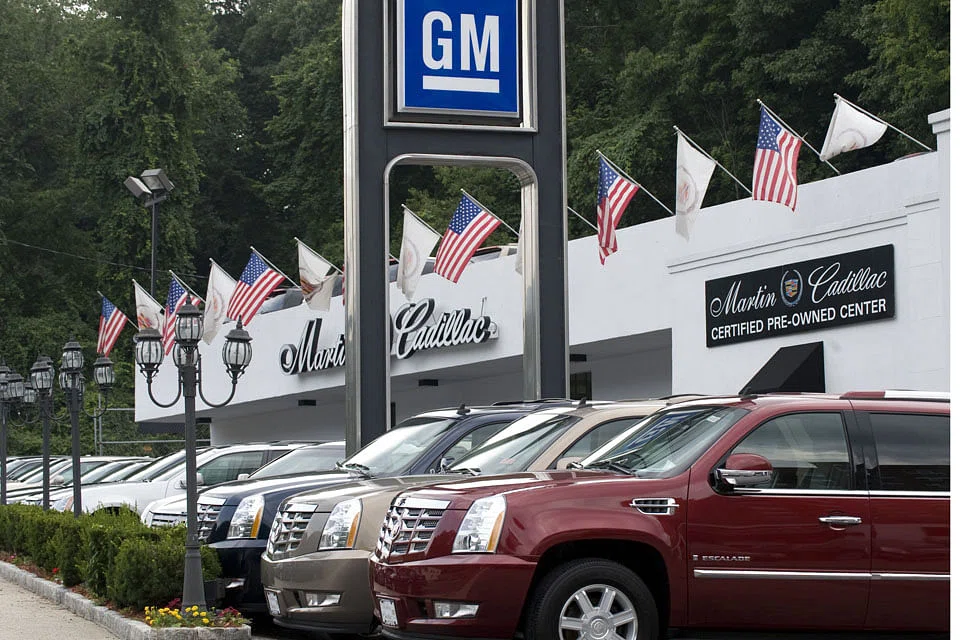
GENERAL Motors Co (GM) generates US$1 billion in pre-tax profit a month. Yet, the stock market seems unimpressed, assigning the company a market value of just US$50 billion.
So why are GM shares so cheap? It's one of the more vexing questions Dan Ammann, the company's president, faces every day. The Detroit carmaker posted record profits last year, will be close to that level this year and is putting the pieces in place for a run at more growth in 2017, Mr Ammann said in New York.
GM has a wave of new, high-margin sport utility vehicles (SUVs) coming to market in the next few years, and the company believes that, even with the rapid growth of ride-sharing services, car sales will continue to be steady and profitable. "The core of where we make money will be sustained for a long time to come," he said. "We are delivering real results and we see opportunity to grow."
At the same time, the tech giants that have been casting a shadow over GM's future with plans of high-tech driverless cars suddenly look less threatening. Alphabet Inc's Google has hinted it may not want to build a car after all, and Apple Inc's plans remain unclear. Even Tesla Motors Inc has lost the love of some investors as a proposed merger with SolarCity Corp looks problematic.
Still, investors aren't listening to Mr Ammann's message. GM stock is down about 6 per cent this year to US$32.17 a share, below the 2010 initial public offering price of US$33 and way off its Dec 17, 2013 high of US$41.53. That's despite record net income of US$9.7 billion last year and a consensus forecast for US$9.2 billion this year.
Mr Ammann and GM chief executive officer Mary Barra have had to wrestle with investor perceptions that the traditional car market has peaked. It hasn't helped that crosstown rival Ford Motor Co has reined in its own earnings forecast, pulling GM shares down as its stock falters.
GM is being punished in part because it has been late to develop new crossover SUVs such as Honda Motor Co's CR-V and BMW's X3. But all that's about to change, Mr Ammann said. GM has a handful of SUVs coming out in the next few years, and a redesigned Chevrolet Equinox will go on sale in the first quarter of 2017 after seven years without a major update.
Meanwhile, GM's luxury brand continues to struggle. Cadillac has just two SUV models, the hulking Escalade and the more nimble XT5, compared with at least four from rivals including Daimler AG's Mercedes-Benz and BMW. Mr Ammann said that Cadillac will add several more in the next three years.
Even without those new models, GM has been raising prices to an average of US$35,000 a car, US$1,000 higher than last year and US$5,000 over the industry average.
Perhaps GM's biggest perception problem with Wall Street is that it remains an old fashioned, out-of-style Detroit producer of mass vehicles, while investors see true innovation in the industry coming from the likes of Apple, Uber Technologies Inc and Google, all of which want to master self-driving models and ride-hailing apps that could replace individual car ownership.
Mr Ammann sees those technological advances as an opportunity rather than a threat. Cars now travel an average of about 15,000 miles (24,140 km) a year. A vehicle in a ride-sharing service could go as many as 80,000 miles and would need to be replaced - or perhaps refurbished in some fashion - far more often, he said.
That's why GM has invested in Lyft Inc and is renting cars to Lyft drivers - especially vehicles customers leased and brought back to dealers. This provides GM with another new source of revenue and keeps low-mileage models from going to the used-car market and undercutting its new-car prices. Still, ride sharing could prove to be the weak link in GM's growth strategy. Lyft is expanding but is far outflanked by market leader Uber, newly flush with an investment from Chinese ride-share company Didi Chuxing. BLOOMBERG
TRENDING NOW
Motoring tycoon Peter Kwee is back in court: Here are his previous legal battles

Peter Kwee’s Ridley Park bungalow on the market with S$100 million asking price

Demand, tech capabilities position Apac and AI as Skyscanner’s next growth frontiers: CEO Bryan Batista

South-east Asia has lost Nvidia’s best salesman

