How Honda’s old guard tried, and failed, to oust its CEO
Retired executives blame CEO Mibe for China neglect, EV missteps
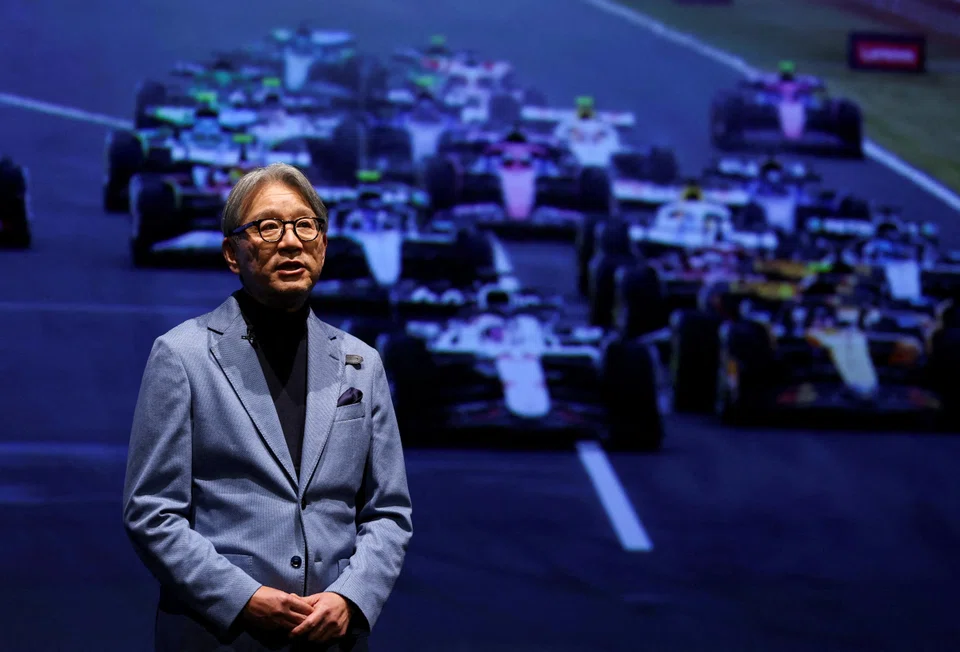
[TOKYO] Late last year, a handful of retired Honda Motor executives started meeting privately to discuss the Japanese automaker’s troubles and the person they believed was the cause: chief executive Toshihiro Mibe.
Over months of text messages, as well as meetings and meals that sometimes included current executives, they laid out a case against the former engineer, according to a written summary of their discussions reviewed by Reuters and interviews with two participants. They blamed Mibe for neglecting China, the world’s biggest auto market, and making a “failed” bet on electric vehicles that would leave Honda with its first annual loss in seven decades. They accused him of paying more attention to Honda’s golf sponsorship than its business.
By April, the old guard had had enough. Former chief executive Nobuhiko Kawamoto, a participant in some of those conversations, visited Tokyo headquarters and told Mibe to resign, three people familiar with that meeting told Reuters.
Mibe, who remains in his role, did not budge.
The crisis at Honda is emblematic of the challenges facing traditional carmakers everywhere, though Japan’s industry is hard hit. Its automakers are reliant on the US market, where profits are being squeezed by President Donald Trump’s tariffs and rollback of EV subsidies. Japanese consumers, meanwhile, have shown little appetite for EVs, which comprise a sliver of that market.
Honda and others face the expensive balancing act of defending their legacy businesses while developing EVs to compete elsewhere. Chinese firms have come to dominate the EV sector with cheap, software-laden vehicles that are rolled out in a fraction of the time it takes the Japanese, who have spent decades focused on reliability through painstaking manufacturing systems.
Honda last month backtracked on Mibe’s pledge to go all electric by 2040 and wrote down some US$9 billion in EV-related costs after scrapping three cars in development. The total hit could come to US$12 billion. That follows rivals including Ford, GM and Nissan, which have collectively written off more than US$25 billion as they cancelled plans for new EV models and assembly lines.
This account of the leadership missteps and turmoil at Honda is based on a review of discussions among its alumni, as well as interviews with a dozen people, including current and former executives and key suppliers. It shows how Mibe has survived – at least for now – due to the backing of the board, even as he has lost the support of heavyweight former executives.
Honda said in a statement issued in response to Reuters questions that it had no knowledge of discussions by former executives. The company was working with suppliers to improve the car business through cost control and reallocation of resources, it said, while also deploying features like the latest driver-assistance software.
SEE ALSO

The carmaker also said that sports sponsorship was handled appropriately to enhance its brand and fulfill corporate social responsibility requirements.
Mibe, who became CEO in 2021, will accept a 30 per cent pay cut for three months to take responsibility for the annual loss. Kawamoto, the former chief executive, confirmed he met with Mibe but declined to comment further. He retains significant influence and has previously intervened in crises to force out a successor.
Just a year after a potential merger with Nissan foundered, Honda is at a critical point. The automaker says it is the world’s largest maker of engines – powering everything from snowblowers to jets – yet its legacy of storied engineering may not be enough.
“I don’t know the way out for them,” said Jeffrey Rothfeder, author of the book “Driving Honda.”
“Definitely in short order, it’s going to be too late to turn it around.”
Neglecting the ‘actual place?’
Honda has long carried the imprint of its late founder, Soichiro Honda. The blacksmith’s son was fiercely independant, hot-tempered and obsessed with engines.
His company developed two of the world’s bestselling cars, the Civic and the Accord. It is also responsible for the Super Cub, the most popular motorcycle of all time.
Honda’s old guard, however, worried the values of the “Oyaji,” or old man, were being forsaken under Mibe, their communications show. A key to Honda’s success has been a focus on the “genba”, or the “actual place” where work gets done. At Honda, that means salesrooms, factory floors and the roads where its products are used. Losing sight of it is an unpardonable sin for managers.
“The CEO does not see conditions on the ground or listen to customers, and doesn’t go to the genba,” the alumni said, according to the summary. “Senior management, including the CEO, do not visit the genba. Example: China.” While China’s zero-Covid policy meant such trips were off-limits for part of Mibe’s tenure, he has seldom visited since becoming CEO, according to one source. He has been an infrequent participant in China’s annual auto show, the industry’s biggest event and regularly attended by rival bosses.
During Mibe’s tenure, Honda’s share of the Chinese market nosedived, falling from 8 per cent in 2020 to less than 3 per cent last year.
Honda said the focus on the genba remained at its core, even as it worked to become more competitive in a changing market. It declined to specify how many times Mibe had visited China but said that travel was conducted as necessary.
Mibe, the alumni argued, was too focused on Honda’s golf sponsorship, including playing rounds with Akie and Chisato Iwai, pro sisters supported by the company.
Mibe’s communication did not always help his case. For instance, his defence of the EV-first strategy sometimes came across as tone-deaf and damaged morale, according to the executives.
In some ways, that stubbornness reflected Honda.
“Honda always wants to do everything on its own,” said Koji Endo, chief executive analyst at SBI Securities. “This time, in the end, it did not go well at all.”
Mibe this year turned down a proposal from a Japanese bank to hive off the EV business, according to a person familiar with those discussions.
External investment would have eased the burden of the struggling operation, but the CEO said Honda would fix the EV business itself, according to the person.
Mibe told Reuters last month that the move had been considered but “we’ve stopped pursuing that line of thinking for now.”
Honda’s independant streak also played out in China. Toyota and Nissan have already been working more closely with partners on EVs tailored to the specifications of local drivers. Honda only said this year it would do the same.
Backed by board
By the time Mibe met with Kawamoto in April, the nominating committee of Honda’s board had already decided he could stay on, one of the sources said.
Like many Japanese firms, Honda has in recent years created board committees with more outside directors as regulators push to improve corporate governance. That has reduced the influence of retired bosses, according to another person familiar with the automaker.
Honda’s nominating committee consists of Mibe and four outside directors, although he will step down from it later this month.
The carmaker did not respond when asked if Mibe participated in the committee’s discussions about his future beyond saying that top appointments were determined appropriately. The committee’s chairperson did not respond to a request for comment.
Mibe has since outlined a plan to revive the cash-burning auto business, including shaving 30 per cent off the cost of new hybrid powertrains.
Two executives at Honda suppliers in Japan, however, told Reuters they hadn’t been consulted on potential cost-savings.
The auto unit’s performance has hit more than just the bottom line. Tensions inside Honda deepened as staff at the motorcycle division – which made a record US$4.6 billion profit last year – came to feel they were subsidizing the car business, the people said.
In an act that could help revitalise the culture of innovation the automaker prides itself on, Mibe in February shifted auto-development engineers from Honda itself back to an R&D subsidiary.
That undid a shake-up made before Mibe’s tenure, which eroded the independence engineers had enjoyed for decades, said Rothfeder. “They lost thousands of important R&D players who did not want to work with marketing departments.”
Some of the former executives expressed concern that engineers have since lapsed into bad habits, such as outsourcing component design to suppliers, the summary of their discussions shows. That made it harder to control costs, they said.
“Honda’s ability to develop cars has declined, yet costs have not,” said Endo. REUTERS
Decoding Asia newsletter: your guide to navigating Asia in a new global order. Sign up here to get Decoding Asia newsletter. Delivered to your inbox. Free.
Share with us your feedback on BT's products and services