Hyundai reroutes ships with Hormuz blockage disrupting supplies
The company is seeking to source more components locally in Europe rather than ship them from South Korea
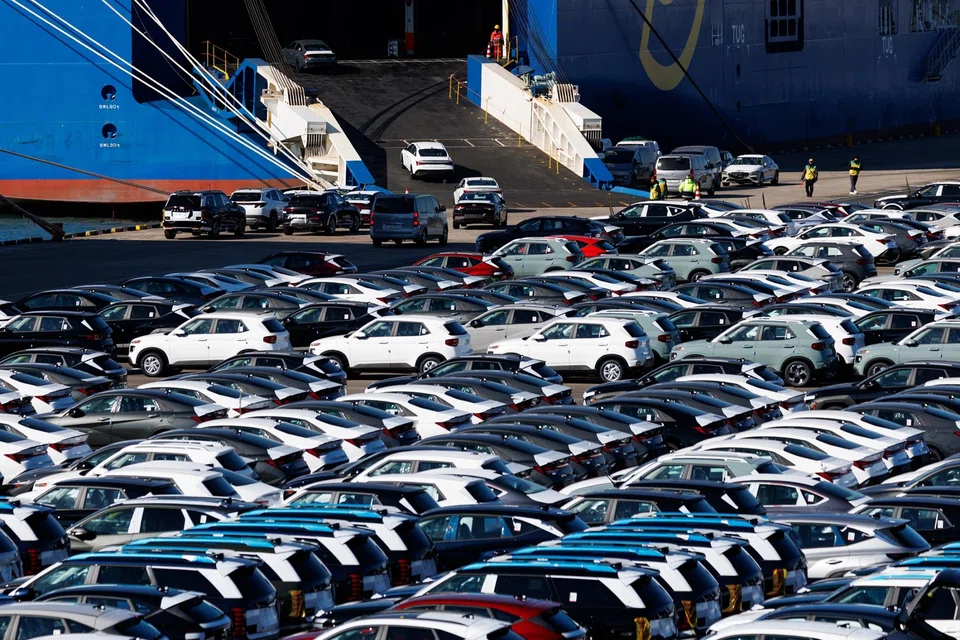
[NEW YORK] Hyundai Motor is rerouting ships around Africa to avoid the Strait of Hormuz, slowing the automaker’s global supply lines as the war in Iran adds pressure to the already strained movement of goods.
“We have deviated our ships to the Cape of Good Hope,” chief executive officer Jose Munoz said on Wednesday (Apr 8), referring to the southern tip of South Africa. “This is a lot of additional lead time.”
The shift is part of a broader plan to rework its operations to insulate the company from supply-chain shocks, tariffs and geopolitical tension, he said. Longer term, Hyundai is seeking to source more components locally in Europe rather than ship them from South Korea, a path that relies on passing through the Strait of Hormuz.
Hyundai has been keeping more inventory on hand to buffer against supply shocks since the global pandemic upended supply chains, Munoz said. Meetings to make supply-chain decisions, once an annual occurrence, are now happening on roughly a weekly basis, he said.
“We try to put together supply and demand, take decisions and maximise as much as we possibly can the production capacity that we have, so that we do not lose production,” Munoz said. “But it’s tough. It’s never been as tough as it is now.”
Investors globally anticipate extended disruptions to traffic through the strait, even after news of a ceasefire agreement between the US and Iran that sent oil prices tumbling more than 17 per cent on Wednesday.
Hyundai has largely been able to maintain production due to its built-in flexibility, Munoz said.
The company is navigating a volatile car market in the US, as affordability challenges, rising gas prices and the loss of electric-vehicle incentives pressure sales. Still, Hyundai saw a significant jump in first-quarter sales of electrified vehicles from a year ago.
The CEO said EV demand will persist even if not at the levels once expected. Hyundai’s new assembly plant near Savannah, Georgia, was originally intended to make only pure EVs, the Ioniq 5 and 9 models, but will begin making hybrids in 2026 and range-extended electric models in 2027.

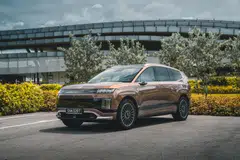
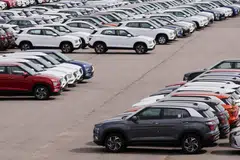
The Savannah plant will also start making modified EVs for Alphabet’s Waymo driverless-car business this year. Production will start with a few thousand, eventually climbing to “tens of thousands” of robotaxis at the plant, Munoz said.
Longer term, Hyundai wants to increase capacity in the US by about 300,000 units to 1.2 million by 2030 and localise 80 per cent of its supply chain domestically to further insulate the business from tariffs and supply shocks.
“Globalisation is over,” he said. “It’s completely over.” BLOOMBERG
Decoding Asia newsletter: your guide to navigating Asia in a new global order. Sign up here to get Decoding Asia newsletter. Delivered to your inbox. Free.
Share with us your feedback on BT's products and services