Hyundai shares climb after quarterly earnings top forecasts
 Add BT as a preferred source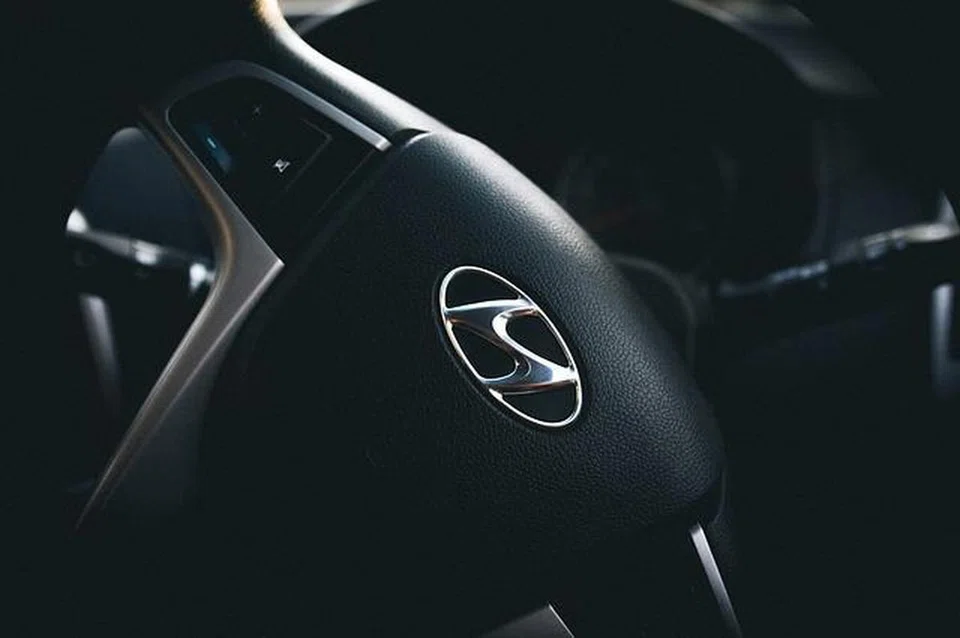
DeeperDive is a beta AI feature. Refer to full articles for the facts.
HYUNDAI Motor Co shares rose the most in 2 weeks after the company’s first-quarter operating income beat analyst expectations, jumping 16 per cent from a year earlier as a weaker Korean won offset supply-chain snags.
The shares were up 2.5 per cent as of 2.46 pm in Seoul.
Operating profit in the 3 months through March was 1.93 trillion won (S$2.13 billion), compared with the 1.66 trillion won median estimate from analysts tracked by Bloomberg. Net income rose 17 per cent to 1.78 trillion won, topping the 1.39 trillion won estimate.
Sales slid 9.7 per cent from a year earlier to 902,945 units, mainly due to global shortages in chips and components, Hyundai said in a statement Monday (Apr 25). Still, revenue climbed 11 per cent to 30 trillion won thanks to robust sales of sport utility vehicles and Genesis luxury models, reduced incentives and a favourable foreign-exchange rate, it said.
The won weakened 1.9 per cent against the dollar in the first quarter, making exports cheaper. Hyundai sells the majority of its vehicles overseas.
Kim Jin-Woo, an analyst at Korea Investment & Securities, said in a note prior to the results that Hyundai’s earnings would likely not be “that bad” thanks to the weakness in the won.
Navigate Asia in
a new global order
Get the insights delivered to your inbox.
Hyundai said it expects a gradual recovery from the pandemic and chip shortage, but that supply uncertainties will remain due to lockdowns in several Chinese cities and fluctuating raw material costs.
The company has set up a team to monitor and respond to the prices of commodities, potentially buying them directly, vice-president Zayong Koo said during an earnings call. Demand for vehicles is growing as the semiconductor shortage persists, he said.
Hyundai has suspended operations in Russia, citing logistical issues with the delivery of components. The war in Ukraine has deepened supply-chain challenges for global automakers, which were already strained by the Covid-19 pandemic, as well as rising commodity prices.
Hyundai executive vice-president Gang-hyun Seo said in the earnings call that the company is considering delaying investment in Russia as it looks to reduce costs in the country. He didn’t elaborate, but said uncertainty over the war in Ukraine is “high".
The South Korean automaker said it will introduce more battery-powered electric vehicles (EV) globally, including the Genesis GV60 and GV70 and Ioniq 6.
The Ioniq 5 accounted for about 30,000 of the 52,000 EVs sold in the first quarter, Koo said.
Hyundai said last month it plans to invest about US$15 billion in battery-powered EVs as part of a broader outlay of nearly US$80 billion in its businesses by 2030. Its investment in electrification is lower than others such as Honda Motor Co and Toyota Motor, which plan spending of US$40 billion and US$35 billion, respectively, as well as Volkswagen’s US$101 billion goal.
Earlier Monday, Hyundai announced it had joined Climate Group’s RE100 global initiative to move to fully using renewable energy by 2050. South Korea’s President-elect Yoon Suk Yeol has pledged to ban purchases of internal combustion engine cars by 2035. BLOOMBERG
Share with us your feedback on BT's products and services