

Iata and ICAO told to take lead in new protocols
Emirates chief wants meeting of carriers to respond to downing of MH17
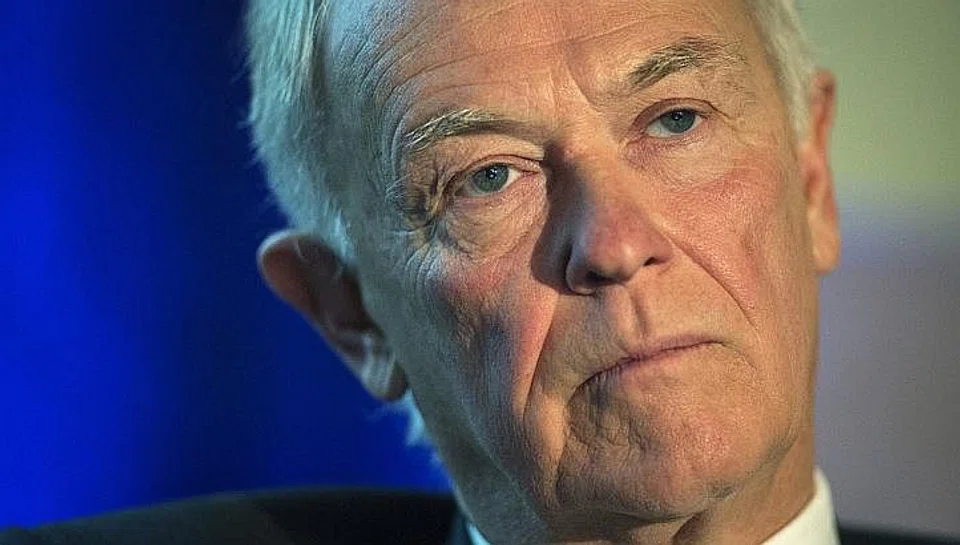
[PARIS] The head of one of the world's largest airlines has called for an international meeting of carriers to agree on a response to the downing of a Malaysian airliner, including a potential rethink of the threats posed by regional conflicts.
Tim Clark, president of Dubai's Emirates, the world's largest international airline by number of passengers, also said domestic regulators worldwide may decide to be more involved in giving their carriers guidance on where it is safe to fly.
"The international airline community needs to respond as an entity, saying this is absolutely not acceptable and outrageous, and that it won't tolerate being targeted in internecine regional conflicts that have nothing to do with airlines," Mr Clark said in an interview.
He said the International Air Transport Association could call an international conference to see what changes need to be made in the way the industry tackles regional instability.
The head of the Geneva-based group, which represents about 200 global airlines, said last week they depended on governments and air traffic agencies to advise which airspace is available.
But Mr Clark said Iata and a United Nations body, the International Civil Aviation Organisation, could take a lead. "If you go East to West or vice-versa between Europe and Asia, you are likely to run into areas of conflict," Mr Clark said. "We have traditionally been able to manage this. Tripoli and Kabul were attacked, Karachi was attacked and we have protocols and contingencies and procedures to deal with this," he said.
"That was up until three days ago. Now I think there will have to be new protocols and it will be up to ICAO and Iata and the aviation community to sort out what the protocols have to be."
A spokesman for Iata was not immediately available for comment but industry sources said it was consulting airlines.
Founded in Havana in 1945, Iata began as a quasi-official body that helped shape modern aviation.
It has evolved into an industry lobbying group while maintaining some role in setting standards including the search for better tracking systems after the loss of another Malaysian Airlines jet, in March this year.
The ICAO also coordinates standards as one of many international organisations born out of World War II, but has few policing powers and does not have the right to open or close national airspace. "They can't (close airspace) but they can issue advisories and they may be a little more active," Mr Clark said.
Additionally, he said, national regulators "may start getting involved a little more than they have. They have perhaps left airlines to their own devices".
Mr Clark, one of the industry's most influential bosses, said the Ukraine disaster could not be ignored but nor should it be allowed to eclipse efforts to find missing Malaysian MH370, an identical Boeing 777 which disappeared with 239 people on board.
He said he was not aware of any warnings from outside the industry about the escalating threat in Ukraine, which would change the way airlines think about ground-based conflicts and the risk of flying over some of the world's flashpoints.
"Yes, the airline industry was aware there was shooting at a low level and assumed these were low-grade surface-to-air weapons," he said. "This was wrong as we now know. Nobody in their wildest dreams thought anybody could have done (such a) calculating act of mass murder." - Reuters
TRENDING NOW

‘We don’t want to stay as we are’: CEO Patrick Ng builds a more resilient Huationg
URA to review guidelines on floor space to give developers more design flexibility: Chee Hong Tat

He built the Vingroup empire. Now South-east Asia’s richest man is handing some key roles to his sons
32 companies, 6 individuals bag accolades at Singapore Corporate Awards 2026

