Iata chief says jet fuel supply could take months to recover after Hormuz reopening
Airlines across Asia have been cutting flights
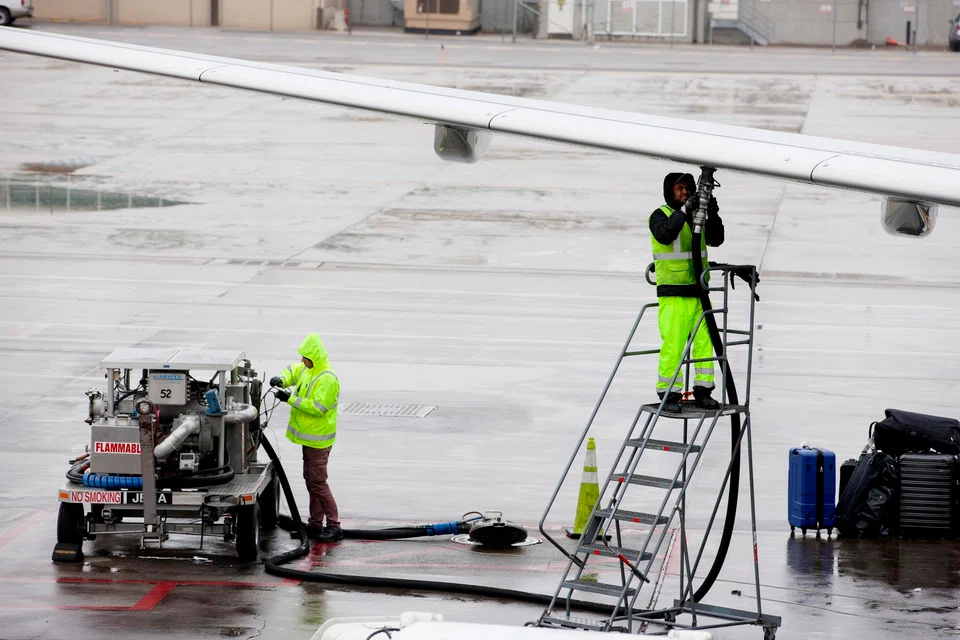
[SINGAPORE] The head of a body representing global airlines said on Wednesday (Apr 8) that even if Iran reopened the Strait of Hormuz, it would take months for jet fuel supply to recover, given disruptions to Middle East refining capacity.
Oil fell below US$100 per barrel after US President Donald Trump said that he had agreed to a two-week ceasefire with Iran that was subject to the immediate and safe reopening of the Strait of Hormuz, which normally carries about a fifth of the world’s oil trade.
Willie Walsh, director general of the International Air Transport Association (Iata), told reporters in Singapore that while he expected crude oil prices to fall, jet fuel costs were likely to remain slightly elevated due to the impact on refineries.
“If it were to reopen and remain open, I think it will still take a period of months to get back to where supply needs to be given the disruption to the refining capacity in the Middle East, which is a critical part of the global supply of refined products, and not just jet fuel for other products as well,” Walsh said.
Airlines across Asia have been cutting flights, carrying extra fuel from home airports and adding refuelling stops as the Middle East conflict squeezes jet fuel supply, adding to pressure on an industry already hit by a doubling of jet fuel prices.
The pain has so far been sharpest in lower-income, import-dependent markets such as Vietnam, Myanmar and Pakistan after China and Thailand halted jet fuel exports and South Korea capped them at last year’s levels.


If crude started flowing again, then “I would like to think” that China, as well as South Korea, would restart their exporting of refined products, Walsh said.
“So there is (refining) capacity available once we get the crude oil flowing, but it will take a little bit of time, and with the crack spread elevated the way it is, I think that provides an incentive for refineries to increase the production of jet fuel,” Walsh said.
The crack spread refers to refinery margins. REUTERS
Decoding Asia newsletter: your guide to navigating Asia in a new global order. Sign up here to get Decoding Asia newsletter. Delivered to your inbox. Free.
Share with us your feedback on BT's products and services