

Indian businesses seek government support to meet 2030 EV target
New Delhi
BUSINESSES in India are seeking government support to meet a target for at least 65 per cent of all new vehicle sales to be electric by 2030, according to a CEO-led organisation of major companies worldwide which is leading the push.
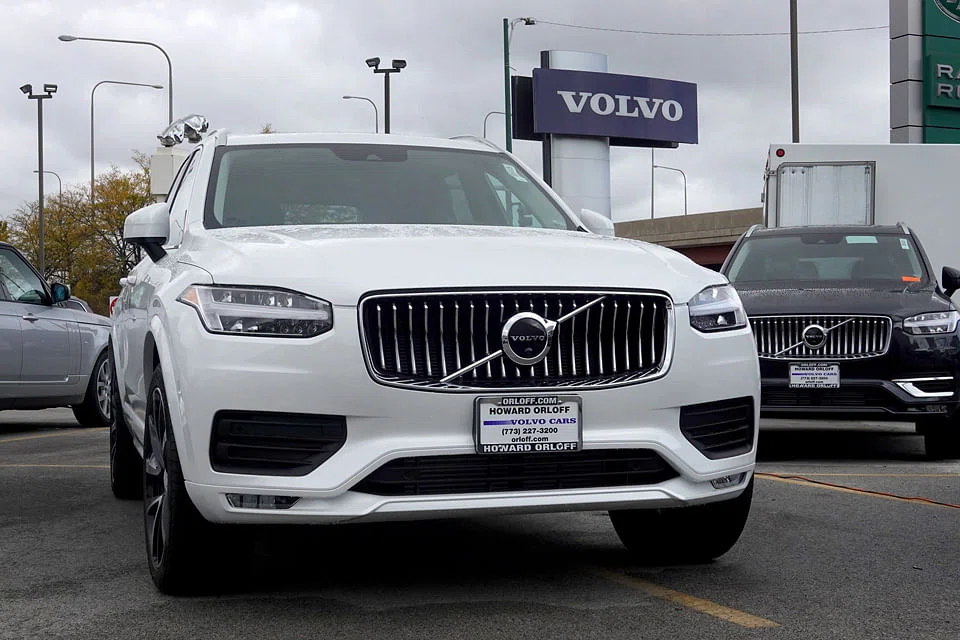
More than 25 companies, including automakers Mahindra & Mahindra and Volvo, oil giant Shell , and clean mobility startups, want India to set firm targets and frame policies to support the transition to electric vehicles (EVs), the World Business Council for Sustainable Development (WBCSD) said on Thursday (Oct 14).
This is the first collective push by companies in India to switch to clean mobility and comes weeks ahead of an United Nations' climate change conference - seen as crucial to wringing out more commitments from governments to stop global warming.
India is the world's third-biggest greenhouse gas emitter after China and the United States and so vital in the fight against climate change.
"After rapid growth in India's renewable energy sector, transport decarbonisation is India's next big opportunity to address climate change," said Joe Phelan, director at the WBCSD in India.
Meeting the 2030 target could provide an investment opportunity of about US$200 billion, the WBCSD said in a statement, adding it would also cut India's road transport emissions by 15 per cent.
The South Asian nation has some of the world's most polluted cities and the government has been pushing automakers to switch to EVs to clean the air and reduce costly oil imports.
But companies have been slow to adapt, saying the price of EVs is still high due to steep battery costs and inadequate charging infrastructure hurts sales.
In recent months, India has firmed up schemes to incentivise companies to build EVs and batteries locally to boost supply and complement a slew of federal and state benefits for EV buyers.
The WBCSD said that by 2030, companies want 30 per cent of new cars, 70 per cent of new motorbikes and scooters and 35 per cent of new buses sold to be electric.
To achieve this, they want the government to legalise e-bike taxi services, give fleet permits for electric three-wheelers, ensure easy access to finance and leasing opportunities for electric cars and speed up installation of public chargers.
Indian bus maker JBM Group, motorcycle manufacturer Hero Electric, goods vehicle maker Switch Mobility, energy company Fortum, IKEA and LeasePlan are also backing the push. REUTERS
Decoding Asia newsletter: your guide to navigating Asia in a new global order. Sign up here to get Decoding Asia newsletter. Delivered to your inbox. Free.
Share with us your feedback on BT's products and services
TRENDING NOW

Knight Frank’s Tan Tee Khoon leaves firm, Nicholas Keong takes over auction business
Keppel Energy, Sembcorp Utilities and Tuas Power to supply biomethane in pilot project
GovTech retrenches another 38 staff in second round of layoffs
Take-up of new private homes dives 45% in Q3 as prices accelerate with 1.4% rise

