

Japan follows US in ordering more Takata air bag recalls
 Add BT as a preferred source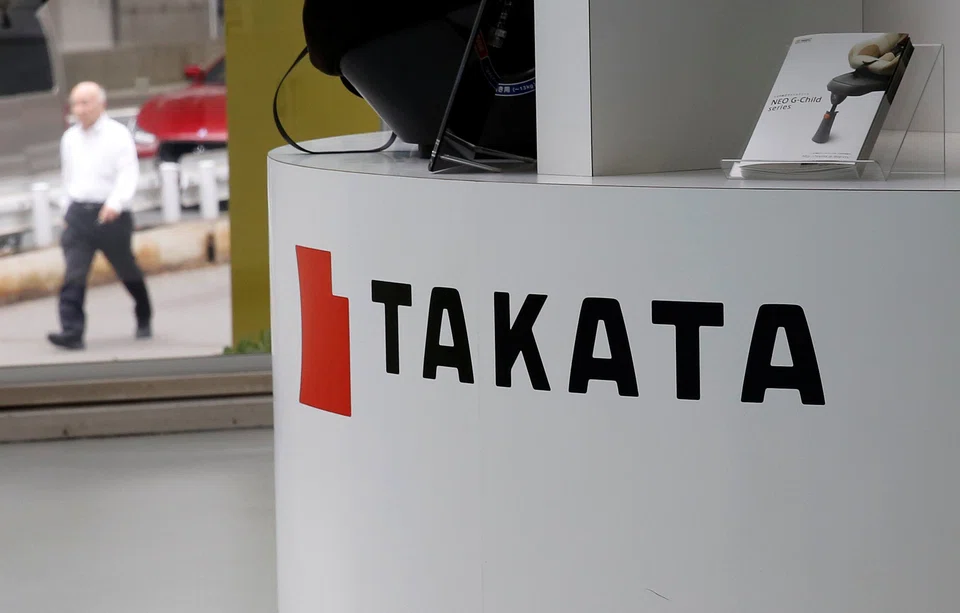
DeeperDive is a beta AI feature. Refer to full articles for the facts.
[TOKYO] Japan ordered carmakers to recall an additional seven million vehicles to fix air-bag inflators made by Takata Corp, the embattled supplier said to attract interest from buyers including KKR & Co.
Takata's shares fell 8.1 per cent in Tokyo trading, extending losses after the ministry announcement. The latest order brings the number of vehicles recalled in Japan to about 19.6 million and will cover all of the company's inflators without a drying agent, according to Masato Sahashi, a transport ministry official.
The US regulator earlier this month called back as many as 40 million more air bags linked to deadly malfunctions, which further expanded what was already the biggest auto recall in the industry's history.
Takata is in talks with KKR and other potential saviours, a person familiar with the matter said, even as it negotiates with customers led by Honda Motor Co over how much of the multibillion dollar recall bill it will have to foot.
Moisture seeping into inflator casings and destabilising the propellant is thought to contribute to misfires and ruptures that spray bits of metal into the passenger compartment.
The malfunctions have been linked to more than a dozen deaths and hundreds of injuries globally.
Navigate Asia in
a new global order
Get the insights delivered to your inbox.
The ministry expects carmakers to complete fixing this latest batch of recalled inflators by March 2019, Mr Sahashi said. Takata will try to provide the inflators for replacement as soon as possible, Toyohiro Hishikawa, a spokesman for the company, said in an e-mailed response.
BLOOMBERG
Share with us your feedback on BT's products and services
TRENDING NOW

Autobahn Rent A Car directors declared bankrupt over S$50 million each owed to DBS
Higher costs, lower returns: Why are Singaporeans still betting on real estate?

Richard Eu on how core values, customers keep Singapore’s TCM chain Eu Yan Sang relevant
Loyang Valley sold for S$880 million to SingHaiyi-led consortium

