

Jetstar to cut capacity in Jan as pilots dispute drags on
 Add BT as a preferred source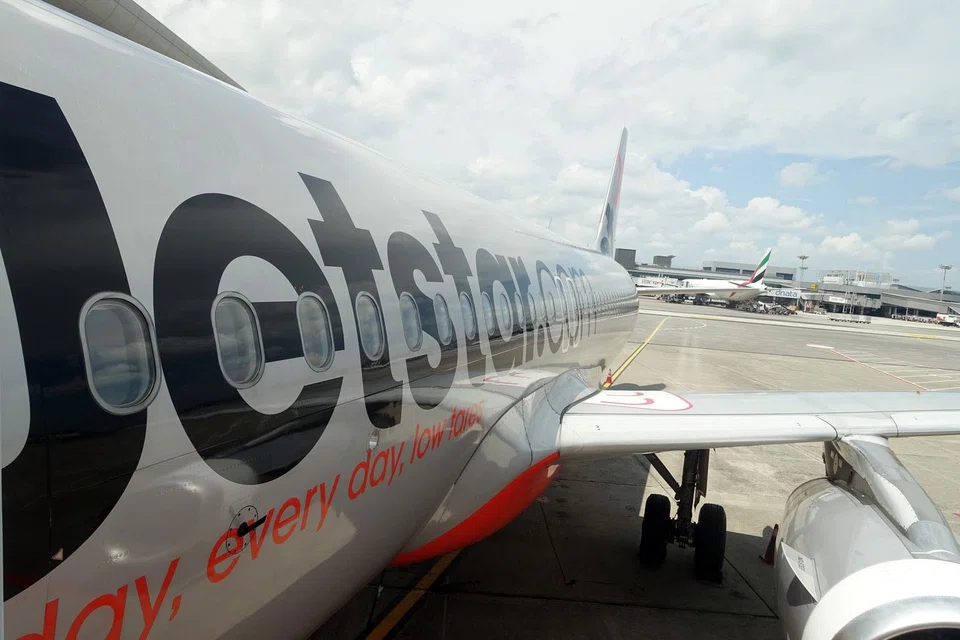
DeeperDive is a beta AI feature. Refer to full articles for the facts.
[SYDNEY] Budget airline Jetstar said on Monday it would cut domestic capacity by around 10 per cent in January due to industrial action by pilots and was considering the sale of three Boeing 787-8 jets serving loss-making international routes.
The Qantas Airways subsidiary said the financial impact of disruptions by pilots and ground staff in December and January was estimated to be around A$20 million (S$18.4 million) to A$25 million and had led it to do a broader review of its fleet and network, including its 787-8s.
"There's no doubt that industrial action is expensive and frustrating, but we have to hold the line on costs or it threatens the long-term sustainability of our business," Jetstar Group chief executive Gareth Evans said in a statement.
Jetstar said a business case had been developed to sell three of its 11 787-8s, with the capital to be reinvested in other parts of the Qantas Group or returned to shareholders, with a final decision expected in the first quarter of the 2020 calendar year.
The airline said the proactive domestic capacity cuts in January would reduce disruption in the busiest month of the year, given the pilot's union was required to give only three to five working days notice of industrial action over failure to reach a pay deal.
Qantas in October said Jetstar was performing weakly in the domestic market where airline margins have been squeezed by fuel costs and weakness in consumer spending.
Navigate Asia in
a new global order
Get the insights delivered to your inbox.
REUTERS
Share with us your feedback on BT's products and services
TRENDING NOW

Shelving S$5 billion office redevelopment plan proved ‘wise’ as geopolitical risks mount: OCBC chairman

Eurokars Group introduces rental car franchises Enterprise Rent-A-Car, National Car Rental, and Alamo to Singapore

20 photos that show how dramatically Singapore has changed in two decades

Singapore’s key exports up 15.3% in March from electronics surge, exceeding forecasts

