Korea trucker strike ends after settlement reached with ministry
 Add BT as a preferred source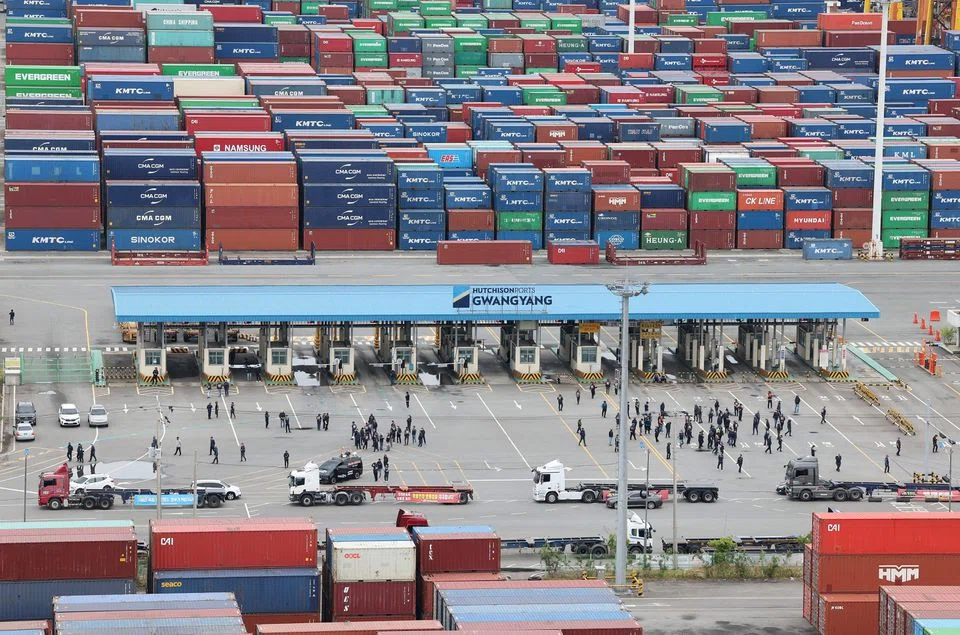
DeeperDive is a beta AI feature. Refer to full articles for the facts.
STRIKING truckers in South Korea reached an agreement with the government, ending a weeklong strike that added to the strain on global supply chains.
The truck drivers will immediately resume their duties after agreeing to extend a freight rate system that guarantees minimum wages, according to a statement from the Cargo Truckers Solidarity division of the Korean Public Service and Transport Workers Union.
Under the agreement, the transport ministry will provide subsidies to alleviate pressure on surging fuel costs, according to the statement. The union was demanding the extension of the freight rate system to help drivers cope with rising fuel prices. The Safe Trucking Freight Rates System was introduced in 2020 for a three-year run, aimed at preventing dangerous-driving practises, such as cargo overload, and guaranteeing minimum rates for truckers. The system was due to expire this year.
The agreement with the transportation ministry was reached on Tuesday (Jun 14) evening after 4 previous discussions failed to make progress.
The strike, which started Jun 7, roiled industries amid fears of higher costs and wider upheaval to global supply chains after Covid-19 lockdowns in China and Russia's invasion of Ukraine. The Ministry of Trade, Industry and Energy estimated this week that key industries have seen production disruptions worth about 1.6 trillion won (S$1.7 billion).
Deliveries of cars, petrochemical products, steel and materials for semiconductor chips have been suspended or delayed, and concerns grew that a prolonged strike would force bigger production shutdowns and even put the nation's energy security at risk.
Navigate Asia in
a new global order
Get the insights delivered to your inbox.
The nation's top steelmaker, Posco, suspended output at its 4 wire-rod factories and a cold-rolled steel plant after the strike exhausted warehouse space. Petrochemical producers also saw warehouses fill up, as they were unable to deliver raw materials used to make everything from clothing to cars.
The daily volume of container boxes transported to and from the nation's 12 ports dropped 53 per cent on Tuesday compared with the average for May, according to data from the transport ministry. Inbound and outbound volumes at Busan, the world's seventh-busiest port, were about half their usual amount. BLOOMBERG
Decoding Asia newsletter: your guide to navigating Asia in a new global order. Sign up here to get Decoding Asia newsletter. Delivered to your inbox. Free.
Share with us your feedback on BT's products and services