

LTA, Case launch voluntary accreditation scheme for car-sharing industry in Singapore
Aim is to raise service standards across the industry, address common consumer concerns

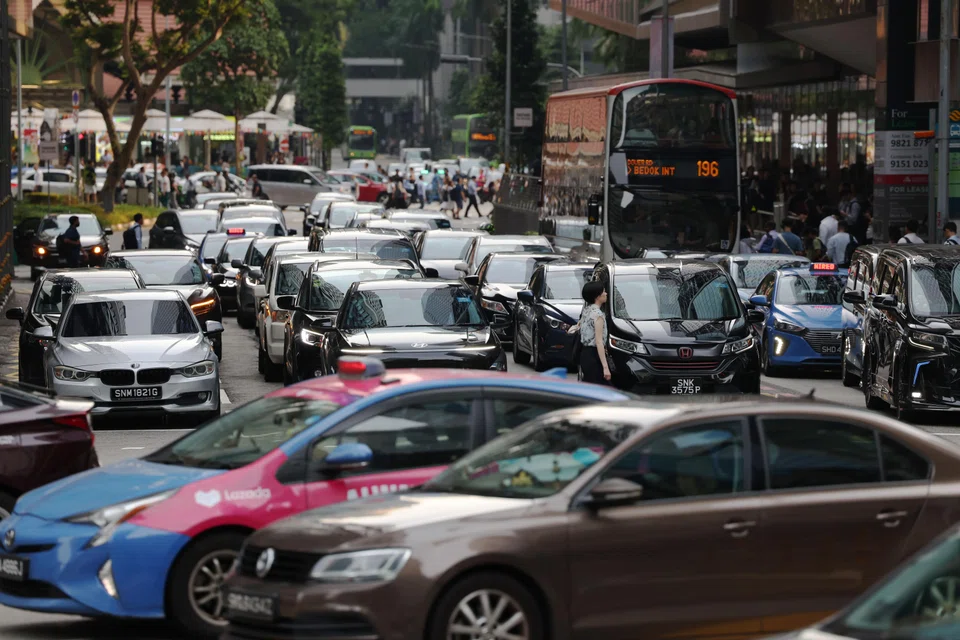
[SINGAPORE] The Land Transport Authority (LTA) and Consumers Association of Singapore (Case) launched a CaseTrust accreditation scheme for the car-sharing industry on Wednesday (Apr 1).
It provides a framework for improving car-sharing services to address common consumer concerns.
Such car-sharing services refer to private transport services that provide users with “on-demand, short term access to shared cars at convenient locations across different areas”, said LTA and Case.
This differs from traditional car rental services such as daily car rentals, where vehicles are generally rented for longer, fixed periods.
The framework spans four key areas.
First, on roadworthiness, safety and hygiene, operators are required to keep detailed maintenance records for audits and ensure that every vehicle is serviced either every 10,000 km or every six months, whichever comes first.
“Vehicles must also be safe, clean and properly inspected,” stated the joint statement on Wednesday.
Next, regarding pricing and membership renewals, operators must disclose all prices and surcharges upfront.
“Membership subscriptions and renewals must follow an opt-in model, and operators should not charge renewal fees when user accounts are suspended,” said the statement.
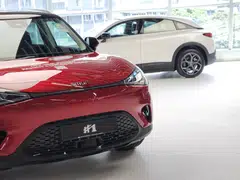
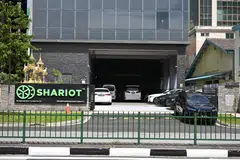

Thirdly, operators are required to provide transparent rules on customer liability, including late returns, repair charges and excess payable, on the issue of liabilities for late returns and damages.
They must also offer a collision damage waiver, said LTA and Case, to offer users a “fair way” to limit their financial exposure in the event of an accident.
Lastly, operators must acknowledge receipt of complaints within three working days and address the dispute within 21 working days of the consumer’s complaint, subject to operational considerations.
The aim of the voluntary scheme is to raise service standards across the industry and address common consumer concerns, such as proper vehicle maintenance, pricing transparency and dispute resolution.
“The scheme was developed in consultation with the industry to ensure that the framework standards are practical and relevant, and has received strong support from operators,” added LTA and Case, in response to queries.
In 2025, Case received 184 complaints against the car-sharing industry, down from the 189 complaints recorded in 2024, but higher than the 127 complaints received in 2023.
Common complaints included alleged overcharging, lack of transparency in damage assessments and repair costs, and refunds that were delayed or not properly processed.
Decoding Asia newsletter: your guide to navigating Asia in a new global order. Sign up here to get Decoding Asia newsletter. Delivered to your inbox. Free.
Copyright SPH Media. All rights reserved.
TRENDING NOW

Grab CEO’s wife Chloe Tong on life with Anthony Tan and finding her purpose
Brokers maintain ‘buy’ on CDL despite investor reservations over strategic review

Deal between tycoon friends sparks scrutiny of Philippine power sector

Hwa Seng Builder, two China companies win S$1.2 billion Tuas Road Viaduct phase two contracts

