
Major carriers adopt different approaches to sailing through the Red Sea

Tay Peck Gek
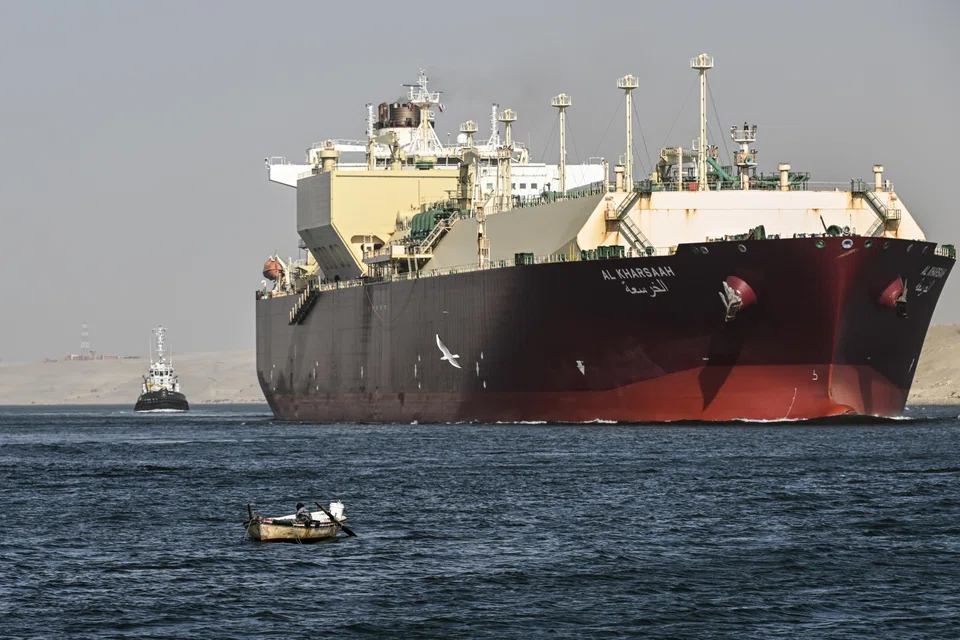
MAJOR carriers are adopting different approaches to sailing through the Red Sea amid continued attacks from Yemeni Houthi rebels in the shortest route between Asia and Europe.
CMA CGM will gradually increase the number of vessels transiting the Suez Canal, the French shipping line announced on Tuesday (Dec 26). The waterway is in Egypt and connects the Mediterranean Sea to the Red Sea, where the Houthis have been attacking merchant ships in response to Israel’s bombardment of Gaza.
CMA CGM said a few of its vessels had recently made the transit through the Red Sea after the shipping line’s in-depth evaluation of the security landscape and crew’s safety. Nonetheless, it will reassess and adjust its plans as needed.
By contrast, the world’s largest boxship line Mediterranean Shipping Company (MSC) reiterated – shortly after one of its vessels was attacked on the same day – that it would reroute vessels booked for Suez transit via the Cape of Good Hope in Africa until the Red Sea is safe for use.
The MSC vessel was en route from King Abdullah Port in Saudi Arabia to Karachi in Pakistan when it was attacked by the Yemeni rebels in the Red Sea. Its crew informed a nearby coalition task force warship of the assault, although no one on board was injured.
It is not clear whether the decision of CMA CGM – the world’s third-largest container shipping line – to have more vessels sail through the Red Sea was made before or after the MSC vessel was attacked.
Carrier Hapag-Lloyd told The Business Times on Wednesday, shortly after its crisis committee had a meeting, that the shipping line would not transit the Red Sea for now.
Corporate communications senior director Nils Haupt said: “At the moment, we still consider the situation too dangerous to pass and will continue to reroute via the Cape of Good Hope. We continuously assess the situation and plan the next review on Friday.”
Hapag-Lloyd had one of its vessels attacked in the Red Sea a fortnight ago, prompting the company to divert passage from the Suez Canal.
Maersk had on Christmas Eve said that it was preparing to allow eastbound and westbound vessels to resume transit through the Red Sea, under the protection of a multinational security force.
Nonetheless, the shipping line, which ranks after MSC in terms of capacity, said that the overall risk in the area is “not eliminated” in spite of the security measures, and that it would not hesitate to re-evaluate the situation and initiate diversion plans if necessary.
Naval presence is not foolproof against missile attacks, a veteran shipping analyst had earlier pointed out.
TRENDING NOW
Fed hike throws Singapore banks a margin lifeline; UOB likely to benefit more
He built the Vingroup empire. Now South-east Asia’s richest man is handing some key roles to his sons
Chagee, Mixue and Luckin won the market. Sustaining their edge is the harder part
Canada is upping oil flows to Asia, but South-east Asia’s refineries aren’t ready to handle them yet



