

Market sees higher ship refinancing amid conflicts between US and China
Likely beneficiaries of the spat are shipowners that are neither Chinese nor American, such as Singapore-based players

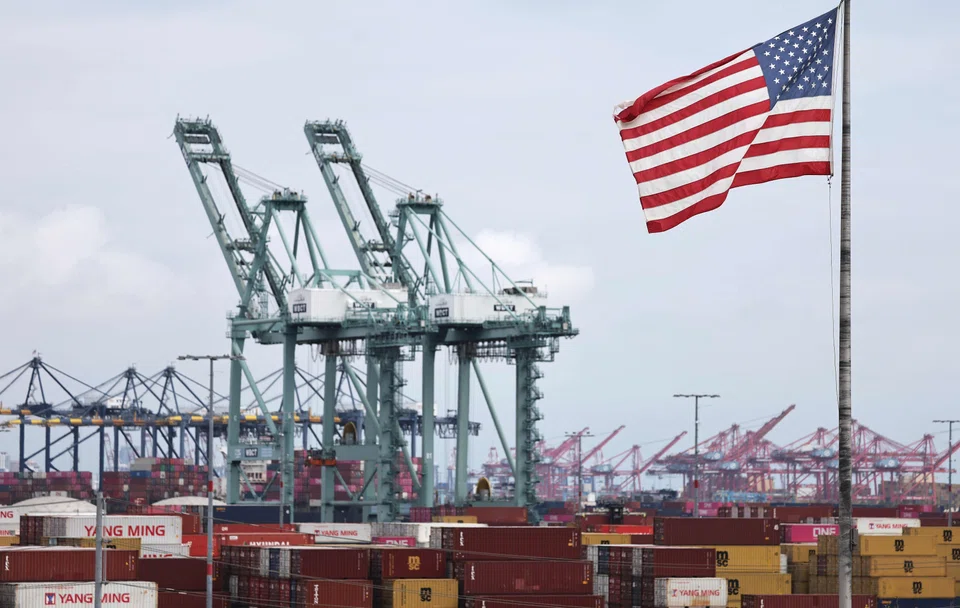
[SINGAPORE] With the US levying fees on Chinese-related vessels and China retaliating with tit-for-tat port fees on US-affiliated ships, the shipping market is now experiencing a wave of refinancing activity.
Likely beneficiaries of the spat are shipowners that are neither Chinese nor American, such as Singapore-based players.
Ali Susanto, global head of corporate finance at the world’s largest privately owned ship broker SSY, told The Business Times that there is a flurry of refinancing going on in the market, triggered by port fees levied by the US and China on vessels linked to each other.
He said: “Some lessees anticipated the development and shifted their financing away from China earlier in the year, while others that delayed such moves now find themselves in a challenging position.”
Ben Rose, partner at law firm Norton Rose Fulbright, pointed out that Chinese sale and leaseback financings – where a shipping company sells its vessel to a Chinese financial institution and then leases it back – now account for more than 15 per cent of the global ship financing market.
Chinese leasing companies have around US$100 billion of shipping assets under their control, he noted.
This funding source became very popular after the 2008 financial crisis, a change from the global ship finance market being historically dominated by European and US banks.
Now with China-linked vessels being hit by the US’ drive to curb China’s dominance in the maritime industry – via the levying of fees on China-built, owned or operated ships calling at US ports – Rose said the Chinese lessors may not be as competitive for vessels on US trade lanes as a result.
As a countermeasure, Chinese leasing companies, vessel owners and traditional lenders are evaluating various alternative strategic options and lending products.
“The future viability of Chinese lease finance, at least for owners with no other connection to China, remains uncertain,” Rose added.
He said Chinese-leased vessels are not affected by the US port fees if they are deployed on other international routes. Likewise, if an owner intends to build its vessel in China, then it may also wish to consider a Chinese-leasing solution since it will be paying the US port fees anyway.
SSY’s Susanto, when asked about likely beneficiaries of the maritime spat, said that non-Chinese financiers stand to gain market share as a result.
“For Singapore-based players, the impact appears moderately positive. They remain relatively insulated from the policy crossfire, and both local and regional banks could benefit as owners seek neutral, alternative sources of funding,” he said.
But the Chinese lessors are unlikely to remain passive, he added, and they are already reviewing their leasing models and ownership structures to maintain competitiveness. He noted that companies with long-term exposure to US or Chinese cargoes, charter contracts or financing arrangements are expected to face greater pressure.
Said Susanto: “We have consistently advised clients to avoid over-reliance on any single source of finance. Diversification is essential, though it requires time for lenders across jurisdictions to establish relationships and offer competitive terms...
“Encouragingly, overall liquidity in shipping finance remains strong, and there are several attractive financing alternatives. Companies affected by the new regulations should stay agile and proactively explore alternative funding options.”
Associate Professor Yap Wei Yim, head of maritime management minor at Singapore University of Social Sciences, pointed out that uncertainties created by the situation will lead to higher costs for all parties involved in international trade and transport.
The geopolitical-induced uncertainties and the volatile shipping market situation could trigger another round of consolidation in the shipping industry, especially for shipping lines with weak financial positions, projected Prof Yap.






