

MOL will watch bunker supply from June as Middle East supply disruptions continue
The surge in freight costs has not significantly dented shipping demand, says Mitsui OSK Lines’ new CEO

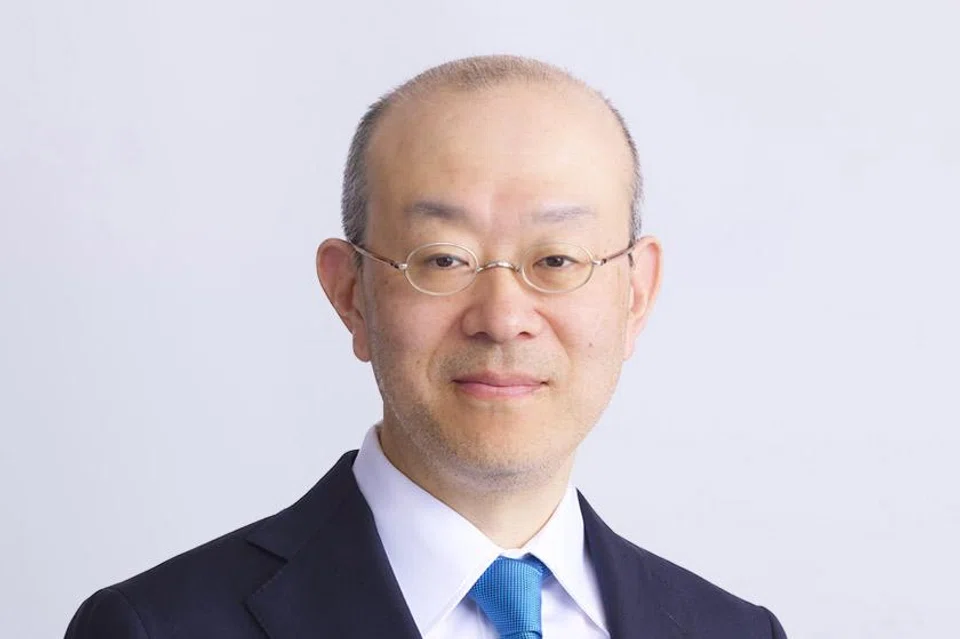
[SINGAPORE] Japanese shipping behemoth Mitsui OSK Lines (MOL) will have to watch marine fuel supply from June as oil flow from the Middle East is disrupted by military actions, said the company’s new chief executive officer, Jotaro Tamura.
The industry is concerned about the shortage of bunker fuel in this “probably unprecedented” situation, he told The Business Times in an interview on the sidelines of the annual Singapore Maritime Week.
MOL has secured its marine fuel supply for April and May as bunker trading is typically done one to two months in advance, added the shipping veteran of over three decades, who took the helm at the group on Apr 1.
He noted that trading for bunker for delivery in June will begin soon.
“But as the conflict gets prolonged, then naturally there’s more pressure for the supply side. So I think it’s something that we have to watch for (from) June onwards,” he said.
Oil supply has been tight since the US and Israel began attacks on Iran on Feb 28, with the Islamic Republic retaliating by effectively closing the Strait of Hormuz and meeting hostility with hostility. About 20 per cent of the world’s oil and a significant share of marine fuel normally flow through the key shipping route.
Bunker prices in Asia have doubled since the war erupted as the Hormuz’s closure drastically cut the inflow into Asia, which is reliant on the Gulf for oil.
Danish container shipping line Maersk earlier said it had to fill vessels with fuel in the US and Europe and transfer the bunker to vessels in Asia as there was an uneven distribution of the supply.
But MOL has no need to transport fuel from one region to another to meet its usage, said Tamura, as its fleet has been able to refuel at ports which have more supply.
The MOL group is one of the world’s largest shipping companies, operating nearly 940 vessels across a wide range of segments, including dry bulk carriers, chemical tankers, liquefied natural gas carriers and car carriers. It is one of the founding partners of container shipping line Ocean Network Express.
There were 42 Japan-linked vessels reportedly stuck in the Gulf after the attacks on Iran commenced. Tamura declined, for security purposes, to disclose the number of MOL vessels stalled there.
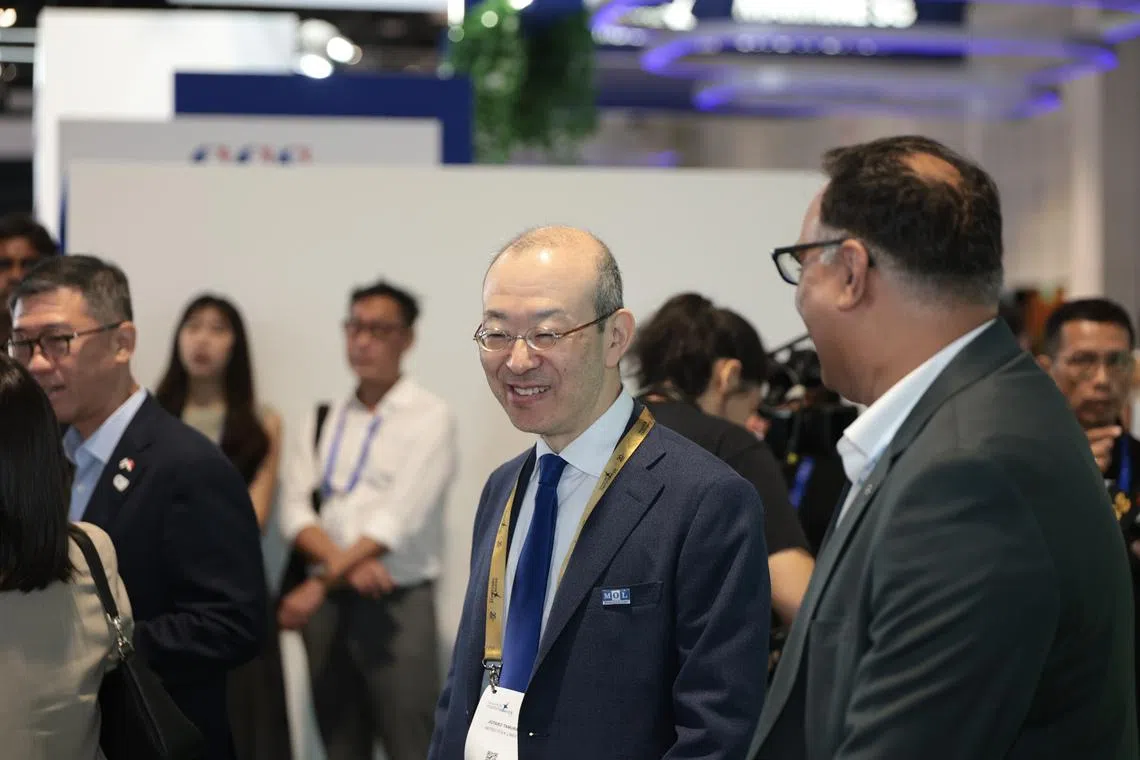
When asked whether the increase in freight rates – caused by the surge in costs including fuel prices and insurance premiums – has dented shipping demand, he said that this has not happened yet to a great extent.
He pointed out that MOL’s customers have been sourcing from the US and other markets to replace the supply from the war zone, and this has helped to mitigate the impact of the disruptions in the Middle East on the group.
“I don’t think we have seen a great level of change (in) the volume,” he said.
He believes that it is likely the disruption will prompt companies to diversify their sources to reinforce their supply chain resilience.
Before the conflict, companies would look for the cheapest suppliers but now, they must diversify sources – which may not be the most economical, he noted.
“You have to pay the price for the new world or new conditions,” he said.
But this could bode well for shipping, he added, because there may be a need for more vessels and for them to go to farther destinations.
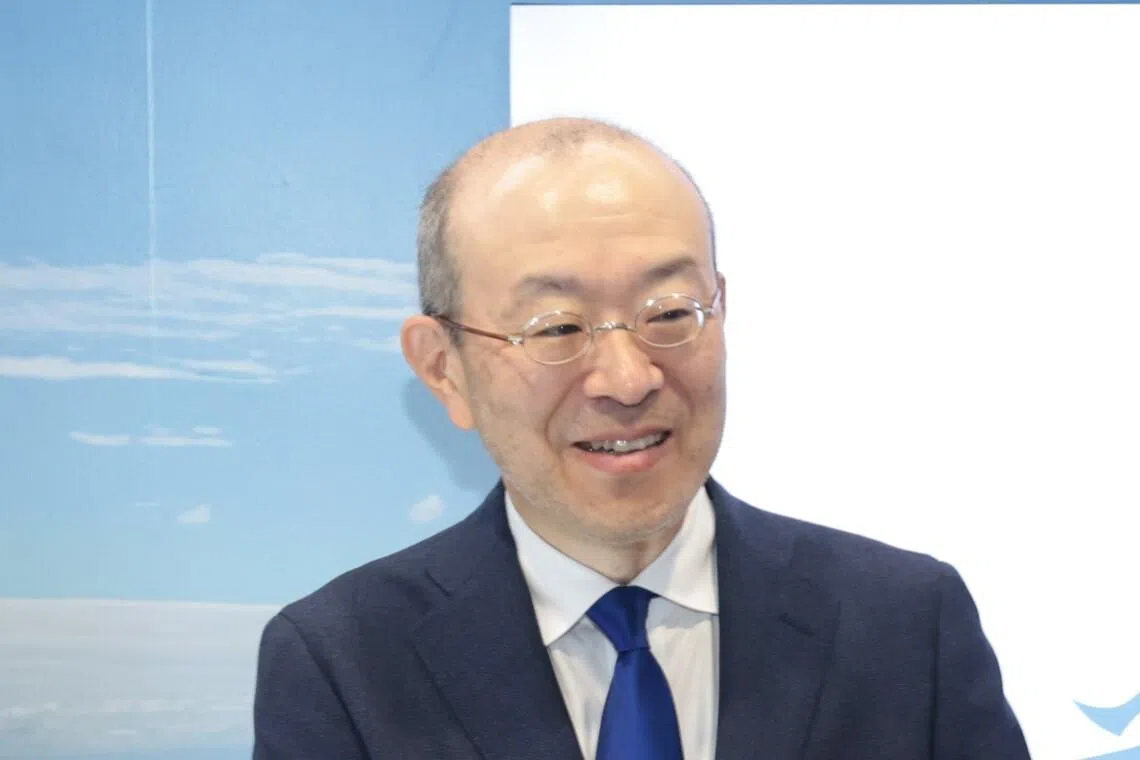
Rivalry for maritime talent in Singapore
Singapore is MOL’s first and only sub-headquarters. The Japan-listed shipping heavyweight – which has 142 years of history – designated it as such in 2025.
Besides the city-state playing an important role in MOL’s business continuity plan in the event of a disaster in Japan, some of the group headquarters’ functions have been moved there, said Tamura.
Singapore’s established ecosystem and opportunities as a maritime hub in Asia compelled MOL to transfer some of its functions and eventually make the Republic its sub-headquarters.
“There are many customers, maritime industry interests, financial institutions, lawyers, and all these related services (increased)... So naturally, it makes (it easier for us) to be here to interact with all the stakeholders,” the CEO said.
MOL grouped six major subsidiaries located in Singapore for the sub-headquarters, which is also tasked with developing business for South-east Asia and Oceania.
Attracting talent in Singapore and increasing the sub-headquarters’ capabilities are very important to fulfilling the functions expected of it, as well as contributing to MOL’s overall performance, Tamura noted.
When asked whether it is tough to attract talent, he said: “It is not difficult, but it is competitive – simply because of the many maritime-related interests here. We have to be chosen.”
TRENDING NOW

Nvidia reinstates Jensen Huang as CEO; Trump says move poses no national security risk

Indonesia’s coal tycoon Low Tuck Kwong replaced as Bayan Resources president-director

Nvidia surges 33% after reinstating Jensen Huang, reviving AI trade; stocks soar in US and Europe

Consider lowering homeownership barriers for some non-resident foreigners

