

New carriers take off on landing slots, assets given up by incumbents in Covid-linked turmoil

Tay Peck Gek
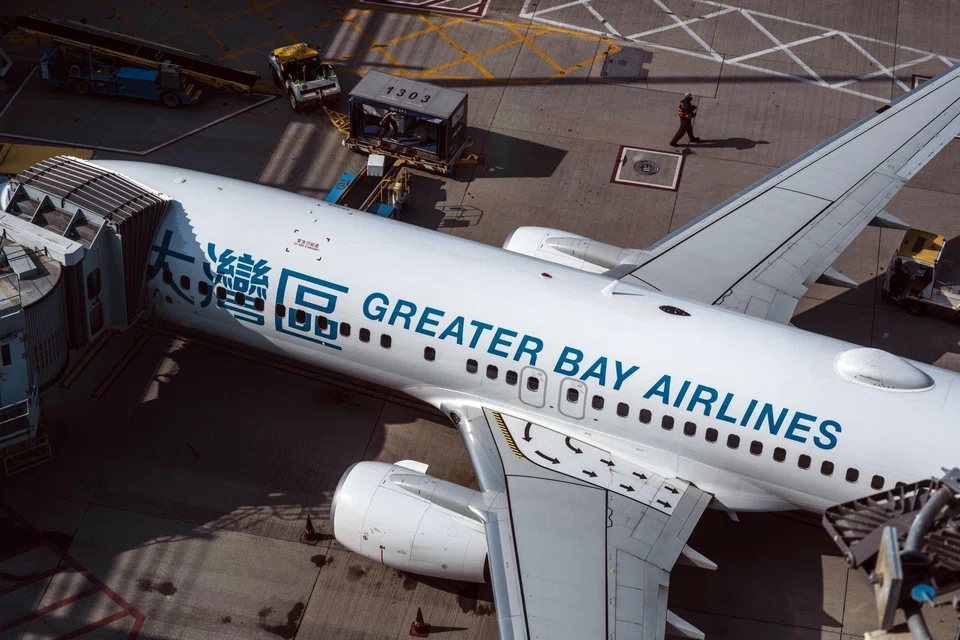
COVID might have decimated travel and clipped the wings of many carriers in the past three years, but it also created opportunities for several new airlines.
These new carriers are subject to the same stiff market competition and the usual turbulence of high fuel prices, analysts said, but they do have a rare chance to ride post-pandemic tailwinds.
Mohshin Aziz, an analyst at Pangolin Investment Management, which has a fund investing in travel-related stocks, said it is no surprise that new airlines have taken off in recent years.
“The aviation industry has always attracted the high-risk, gung ho, can-do-attitude kind of business people. These people sensed an opportunity, they have the capital, and they see that this is the most opportunistic period to venture into this industry,” he said.
He said new airlines are typically backed by one of three groups: former aviation professionals, venture capitalists, and joint ventures by aircraft lessors.
In the last year, these investors would also have been lured by robust demand and “very high” yields, he added.
Singapore Airlines joins several other airlines, including Qantas Airways and Delta Air Lines, in reporting record profits this year.
Alan Lim, a director at Alton Aviation Consultancy, noted that the majority of the airline startups are low or ultra-low-cost carriers backed by private capital.
They are based in two major geographical groups: emerging markets, such as India and Indonesia, with high long-term demand growth potential; and established markets with high domestic travel demand, such as the United States and Canada.
The budget model is well suited to capitalise on the faster recovery of leisure travel, Lim added: “Coupled with their low-cost base, these startup airlines are positioned for recovery.”
Rico Merkert, a professor of transport at the University of Sydney, said budget startups could also benefit if the economy weakens further and travellers opt for cheaper flights.
The pandemic has created some unique opportunities for newcomers to the air travel space.
Mayur Patel, Asia head at global travel data provider OAG Aviation, noted that new carriers have opportunities to lease aircraft at attractive rates, tap idle resources such as crew who were let go by incumbents, and fill new gaps created by Covid-related turmoil.
India’s Akasa Air, for instance, filled demand that came on the back of failed carriers such as Go First, and those in financial difficulties such as SpiceJet.
“Akasa has been successful because others were failing,” said Patel. “All the little breadcrumbs get greater... Someone’s loss is someone’s gain.”
Lim of Alton noted that startup airlines were also able to take over routes and slots given up by airlines that were forced to exit non-core markets. For instance, America’s Avelo Airlines’ strategy is to fly underserved routes – including those flown by other carriers prior to the pandemic.
Carriers that entered after the pandemic began will still need to find their niche, OAG’s Patel said. This could be plying routes where competition may not be as keen, or going after high-traffic routes that are insufficiently served by incumbents.
Challenges also abound. New airlines tend to fail in the first five years, primarily due to lack of scale, Aziz of Pangolin said. Carriers without at least 15 aeroplanes should not have “bothered” to start, he added.
The return of competition, now that borders are fully open, would also challenge the profitability of these startup airlines before they have had a chance to firmly entrench themselves in the market, Lim of Alton said.
The International Air Transport Association said in June that airline industry profits are expected to reach US$9.8 billion in 2023, with a net profit margin of 1.2 per cent.
That meagre margin, however, is deemed a “major achievement” for the industry body, because it comes at a time of significant economic uncertainties and after the deepest losses in aviation’s history.
Before the crisis struck the aviation industry in early 2020, airlines had a “historic profit streak” with an average net profit margin of 4.2 per cent.
Prof Merkert said a major challenge of budget airlines is the relatively high share that fuel has of total operating costs – often more than 30 per cent – as they have squeezed out all other costs. Hence, they are much more exposed to volatility in fuel prices than full-service carriers.
He noted, however, that some of the new startups operate new aircraft such as the Boeing 737 Max, which burn less fuel than some of the older aircraft that full-service carriers have in their fleets.
Given that jet fuel has risen substantially from its June 2023 lows and that yields are further normalising globally, Prof Merkert believes a number of the low-cost carrier startups are starting to feel the pinch.
“I would not be surprised if some will have to leave the market in the not-so-distant future. But that is fine, as this is how markets work. The startups that innovate and add sustained value will survive and (there will be) better air service offerings for all of us,” Prof Merkert said.
Lim of Alton said longer-term considerations over network strategy, fleet selection, and operational and cost management will need to be managed closely by these new airlines.
Mabel Kwan, managing director of Alton, also noted that startups will need time to establish a safety track record. “The ability to tap laid-off experienced hires during the startup would help the learning curve,” she said. “Flight crew and aircraft certification are governed by national and international requirements, and hence are no less stringent (from one country to another).”
TRENDING NOW
VietJet hit with global asset freeze in FitzWalter dispute

FCT, NLB to turn Causeway Point’s former cinema space into reading hub in mall revamp

Family offices ‘kept captive’ by relationship managers turn to independent advisers, direct deals

Olivia Lum, ex-CFO not giving evidence in their Hyflux trial

