

Nissan chases US sales gains as discounts lift it beyond Honda
July reports likely to show Nissan deliveries up 3% amid falling sales projected for Honda, Toyota, Ford and GM
Southfield, United States
NISSAN Motor Co is growing faster in the United States than any mass-market carmaker and edged past rival Honda Motor Co in this year's first half. That might not be a good thing for Nissan's bottom line.
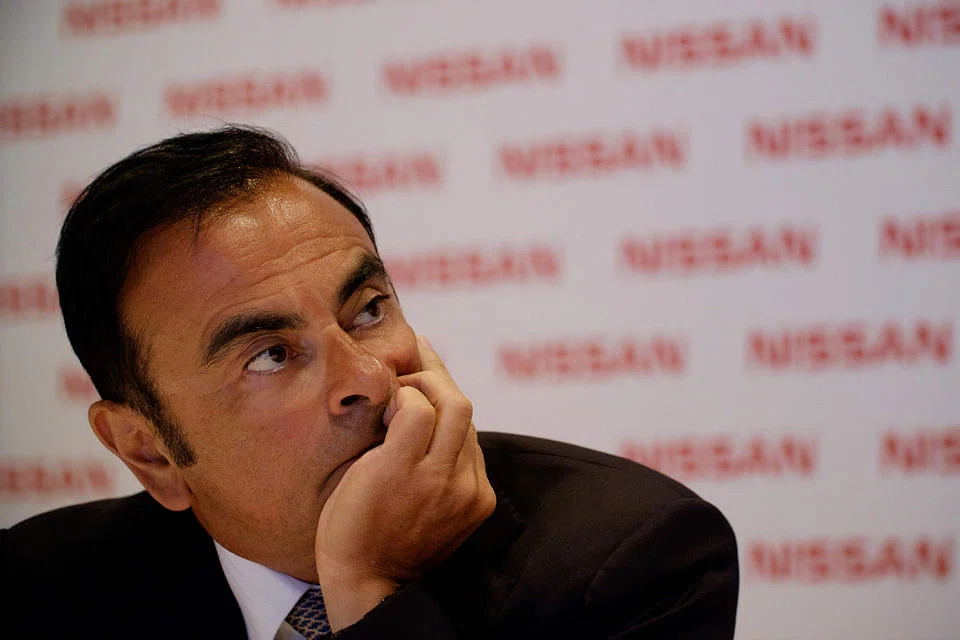
Chief executive officer Carlos Ghosn wants Nissan to pass Honda and get 10 per cent of the North American market. Yet Nissan's growth this year has been helped by more generous incentives to customers and by selling more low-margin vehicles to rental fleets, which have risen faster than any other carmaker's.
Mr Ghosn's push for sales risks delivering growth at the expense of margins. It also underscores the fact that US market expansion is slowing and another record year is looking less likely. So growth-hungry companies such as Nissan may need to spend more to boost sales.
"They're going at it at all costs," said Jessica Caldwell, an analyst at car-pricing website Edmunds.com. "To get 10 per cent, Nissan is really chasing sales volume over margins."
Nissan isn't doing it all with low-priced sales. The new Maxima sedan and Rogue sport utility vehicle (SUV) have been hits. In the second half of the year, the company will increase production of its new Titan pick-up truck and Armada full-size SUV to boost deliveries, said Judy Wheeler, vice-president of US for Nissan.
In the first half, Nissan sold almost 800,000 vehicles in the US, beating Honda by about 6,000 and pushing its own market share to 9.2 per cent from 8.6 per cent in the same period last year, according to Autodata Inc. Nissan now has 9.7 per cent market share in North America. To hit its 10 per cent target, the company will need to reach about 9.5 per cent in the US, Ms Wheeler said.
July sales reports, due on Tuesday, are expected to show that Nissan's deliveries rose 3 per cent from a year earlier, while Honda may post a 0.4 per cent drop and Toyota may be down 2.9 per cent, according to a Bloomberg survey of analysts. Ford Motor Co and General Motors Co (GM) will be down 0.5 per cent and one per cent, respectively, based on the projections.
Fiat Chrysler Automobiles NV will report a 1.9 per cent gain, according to the survey. The carmaker acknowledged last week that it's being investigated by the US Justice Department and the Securities and Exchange Commission for how it reports sales. It restated its vehicle deliveries, revealing that its streak of increasing monthly sales actually ended in 2013.
The average estimate for the seasonally adjusted annual selling rate is 17.6 million cars and light trucks, little changed from July 2015 and an increase from June's 16.7 million pace.
For Nissan, fleet sales rose 42 per cent in the first five months to 175,505, according to the most recent data from R.L. Polk & Co, as Honda sold fewer than 10,000 vehicles to fleets. Most of Nissan's fleet sales went to rental agencies, which tend to buy cars at a discount and order them with fewer price-boosting options than those sold to individual consumers. Without fleet sales, Honda would have outsold Nissan in the US.
Ms Wheeler said Nissan's increase in fleet sales is because the company didn't have new 2016 model-year cars to sell to those customers late last year. This year, the carmaker had a backlog of orders and has filled them in recent months, so fleet sales should decline in the second half, she said. Only GM, Ford and Fiat Chrysler have sold more vehicles to fleets. The Detroit Three tend to do more business with government agencies, which often have a mandate to buy from US companies, and they sell pick-up trucks to corporate fleets.
Honda doesn't need to push business with fleets, said John Mendel, executive vice-president of American Honda Motor Co. Rental agencies such as compact and mid-sized cars, and retail sales, those to individual customers, of Honda's Civic and Accord are growing, he said.
Nissan has also stepped up its incentives, averaging about US$3,400 a vehicle this year through June, a 6 per cent increase from a year earlier, according to Autodata Corp. Honda's average was US$1,630, down 11 per cent. Among mass-market carmakers, only the US companies spent more than Nissan. Ms Wheeler said Nissan is just staying competitive with others in the market, especially in family sedans, models that many carmakers need discounts to sell.
Fleet sales tend to reduce resale values because the rental vehicles end up on used-car lots after a year or so and offer a cheaper, low-mileage option to buying new. Nissan's average resale value has fallen this year to 45.5 per cent of the new- vehicle sticker price after three years, down from almost 50 per cent in 2013, according to TrueCar Inc, whose Automotive Lease Guide sets those values.
Nissan's push for sales volume may already be having an impact on earnings. The company's operating profit fell 9.2 per cent in the fiscal first quarter ended June 30. A lot of that was because of currency issues, chief financial officer Joseph Peter said on a July 27 conference call with analysts. He also said sales incentives were higher than anticipated.
Honda has been stronger in the US when it comes to retail sales. Not only does it sell very few cars to fleet customers, its incentives have been far lower than Nissan's. BLOOMBERG






