

Nissan targets growth in Brazil despite sales slump
 Add BT as a preferred source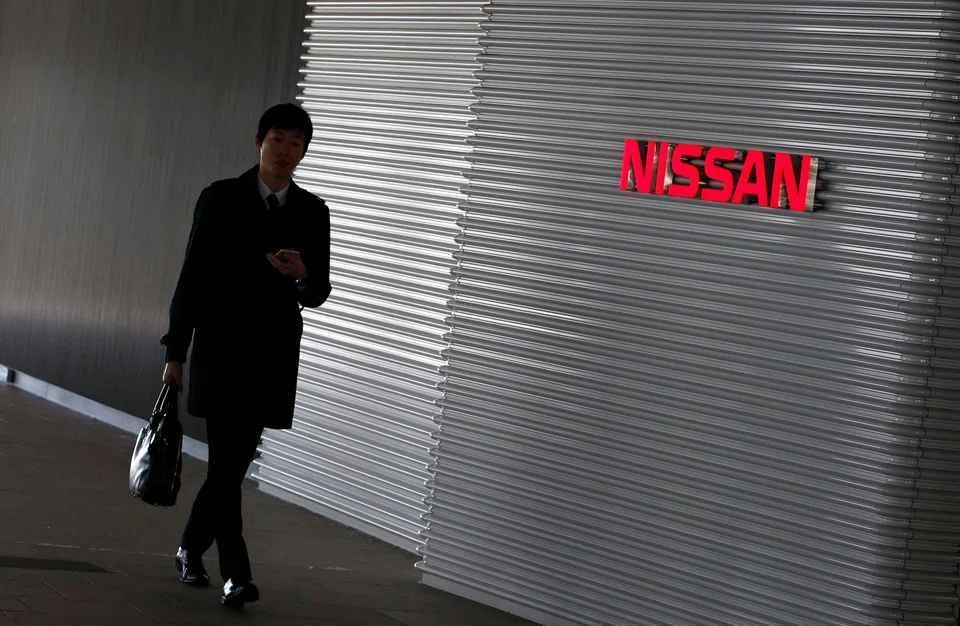
DeeperDive is a beta AI feature. Refer to full articles for the facts.
[RIO DE JANEIRO] Nissan plans to maintain investment and increase its share in the Brazilian auto market despite a 7.15 per cent drop in car sales across the country last year, the firm's chief executive said Tuesday.
"We are disappointed in where the Brazilian market stands but we shall continue to invest," Carlos Ghosn told a press conference in Rio.
"A seven percent drop in sales in 2014 did not lift enthusiasm but we have no doubts as to Brazil's potential," said Ghosn.
He spoke on the sidelines of the launch of a new three-cylinder, 1.0-liter model to be built at the Resende plant in Rio state where Nissan has invested 100 million reais (US$37 million) over the past year.
Ghosn said he believed a stagnant global market will rebound this year "on demand which will rise between two and three per cent, albeit with imbalance between certain markets.
"The European market will continue to recover in 2015 but Russia, Japan and perhaps Brazil will be weak points," said Brazil-born Ghosn, though he forecast Brazil would "remain stable." Nissan sees potential in Brazil, South America's largest auto market, which according to 2012 figures, boasted just 179 automobiles per 1,000 inhabitants.
Navigate Asia in
a new global order
Get the insights delivered to your inbox.
Japan's Nissan currently accounts for a 2.5 per cent share in the Brazilian auto market.
"That is well below our global average of 6.5 per cent," said Ghosn, who is targeting a 3.3 per cent share in 2015.
Brazil is the world's fifth largest auto market behind China, the United States, Japan and Germany.
Earlier Tuesday, Brazil's auto dealership association Fenabrave announced sales in the world's seventh largest economy fell 7.15 per cent last year to 3.5 million units, the sector's worst showing in five years.
AFP
Share with us your feedback on BT's products and services
TRENDING NOW
Autobahn Rent A Car directors declared bankrupt over S$50 million each owed to DBS

Higher costs, lower returns: Why are Singaporeans still betting on real estate?

Richard Eu on how core values, customers keep Singapore’s TCM chain Eu Yan Sang relevant
Loyang Valley sold for S$880 million to SingHaiyi-led consortium

