Not satisfied with pole position, BYD aims for bigger EV market share in Singapore

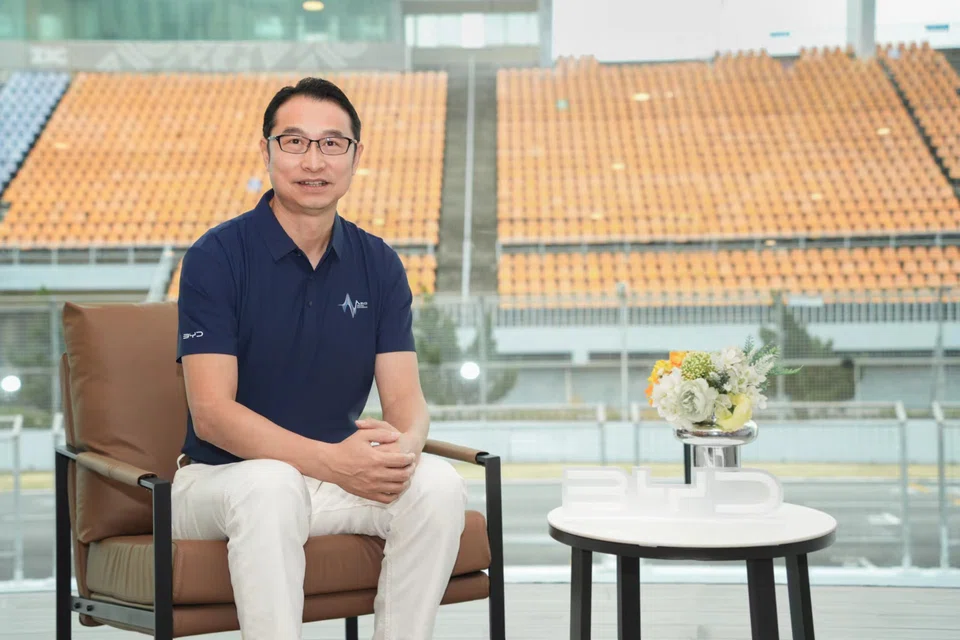
SINGAPORE’S top passenger electric vehicle (EV) seller BYD is aiming for a larger market share here as it sets to rev up the Chinese brand to become a better-known marque and improve consumers’ understanding of green vehicles.
Liu Xueliang, general manager of BYD Auto Industry Company, did not provide a sales target despite being pressed by The Business Times, except saying that BYD hopes its sales will do better this year.
He oversees the Asia-Pacific market and spoke to BT last Friday (Feb 23) before a dinner held by the Chinese company to celebrate its 10th anniversary in Singapore.
BYD appears to be on the track to achieving a higher passenger EV market share.
The marque had a 46 per cent share of the passenger EV market here in January – when 262 EVs were registered – the latest figures from the Land Transport Authority indicated. BMW, with 129 units, was a distant second while Tesla took the third place with 104 registrations.
BYD registered only 49 units in January 2023, but led the market with a total of 1,416 passenger EVs for the year, translating to a market share of 25.1 per cent, unseating arch rival Tesla from its pole position.
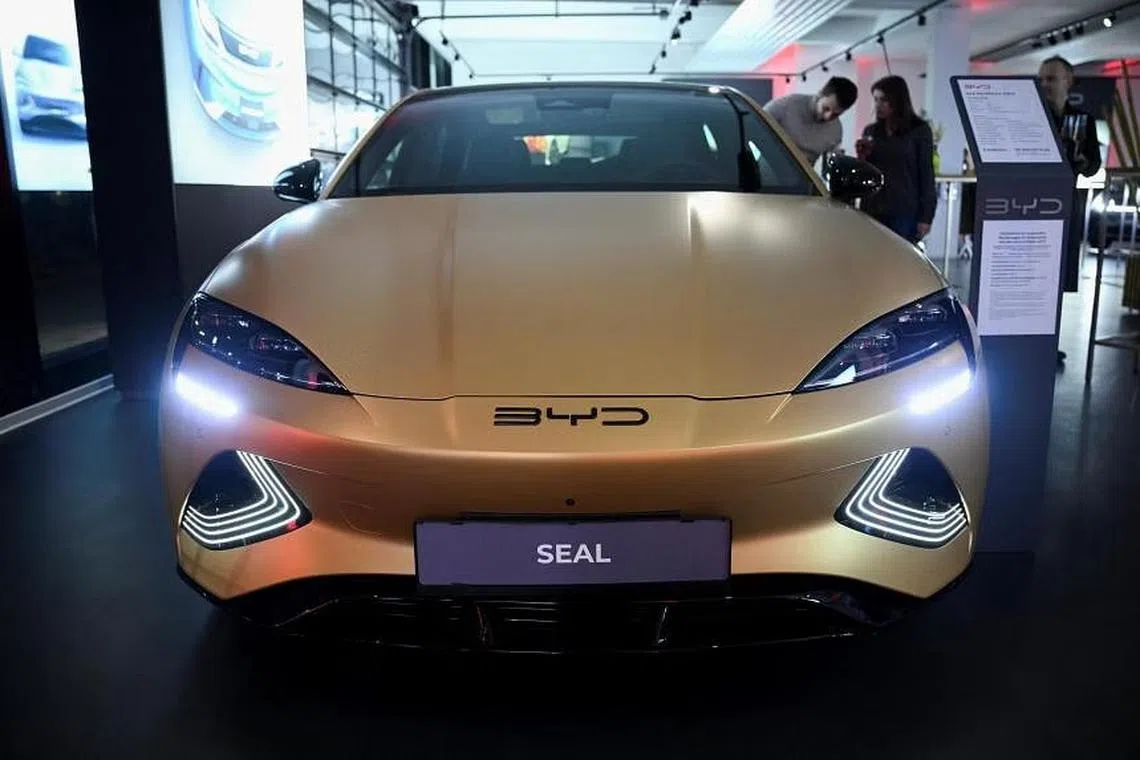
When asked if waging a price war would be one of the strategies to increase BYD’s market share here, Liu did not give a direct response but said that price war is a form of market behaviour and that “sometimes it’s not decided by you”.
BYD is the market leader in EVs here as well as globally with over three million in total sales last year. Liu said the listed company’s challenge is to build up its brand as Chinese cars are not as well-known as the Japanese and German marques.
“To raise our profile among Singapore consumers, get them to fall in love with BYD – this is important (to us),” the 51-year-old said.
While equally reticent about the number of showrooms and BYD-themed restaurants planned for Singapore, Liu is unequivocal about BYD’s eventual presence. He said: “We hope to have as many as possible… We hope that Singaporeans will get to see BYD wherever they are.”
Presently, BYD has three showrooms and is featured in five BYD-themed restaurants in Singapore. Showcasing BYD in restaurants is the automaker’s way of introducing EVs as a lifestyle product to consumers.
Consumers in many markets, including South-east Asia, are still not familiar with EVs, which is a challenge for BYD.
Increasing BYD’s presence in Singapore would thus also assuage consumer concerns about the support for EVs. “Many people are worried about charging, maintenance, or whether BYD would exit Singapore if sales were slow,” said Liu.
But BYD has established a presence in Singapore’s field of commercial EVs – ranging from trucks to forklifts to public buses – in the past 10 years.
On the reasons for BYD’s entry in Singapore despite its tiny market size, Liu said the republic was the first that BYD thought of when the company proposed electrifying public transportation a decade ago.
BYD believes Singapore has what it takes to be a leader in the global clean energy economy.
“A new industry will easily take root in a small economy,” Liu said, citing factors such as “the size, quality and global standing of Singapore, as well as Singapore’s strong sense of crisis because it is a small country and (has) little resources”.
This is a win-win situation for Singapore and BYD, as BYD can materialise its ideas here, added Liu.