

Onboard safety culture - think outside the box
 Add BT as a preferred source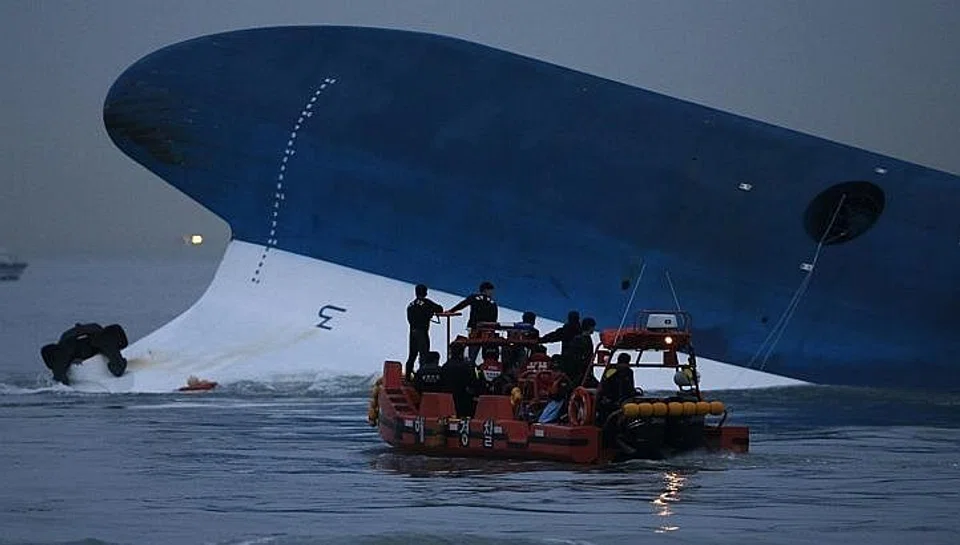
DeeperDive is a beta AI feature. Refer to full articles for the facts.
LAST week's column talked about the substantial costs involved when things go badly wrong at sea. Of course, it is far better to avoid accidents in the first place. Moreover, the recent sinking of the South Korean ferry Sewol is yet another reminder that accidents can also cost lives.
Over the past two or three decades, the concept of onboard safety culture has been developed to the extent that it should now be underpinned on every ship by the International Safety Management (ISM) Code.
In practice, there is a sad lack of an effective safety culture on many vessels. It is fairly easy to see in hindsight when this has been the case, by looking through accident reports. When safety is embedded in thinking of crews, you do not read about chaotic evacuations, or watchkeepers falling asleep as the ship heads for the shore.
Copyright SPH Media. All rights reserved.
TRENDING NOW

Ministry of Home Affairs Permanent Secretary Pang Kin Keong to retire

Shelving S$5 billion office redevelopment plan proved ‘wise’ as geopolitical risks mount: OCBC chairman

Richard Eu on how core values, customers keep Singapore’s TCM chain Eu Yan Sang relevant

China pips the US if Asean is forced to choose, but analysts warn against reading it like a sports result

