

Over 2% of global freight capacity at standstill in North Sea
 Add BT as a preferred source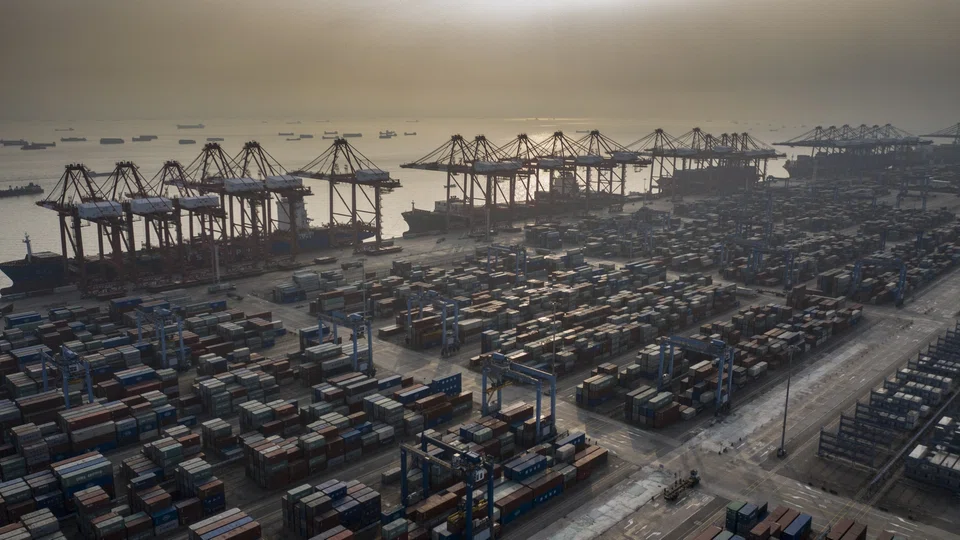
DeeperDive is a beta AI feature. Refer to full articles for the facts.
MORE than 2 per cent of global freight capacity is at a standstill in the North Sea, an expert from Germany’s IfW economic institute said, a “very unusual” situation for the ports there.
“There is currently no end in sight to the congestion in container shipping,” said IfW’s Vincent Stamer, adding that traffic jams were also growing outside Chinese ports.
“For Germany and the EU, this affects overseas trade in particular, especially with Asia, where consumer electronics, furniture and textiles, for example, are shipped from.”
Logistics companies have been struggling for months with shipping container schedules, which have been thrown into disarray due to the war in Ukraine and lockdowns in China.
German logistics firm HHLA last month appealed to every link in the supply chain, from clients to railroads, to coordinate better in the face of war-induced disruptions.
“Just-in-time production carries risks. And volatility requires flexibility from everyone,” said CEO Angela Titzrath.
Navigate Asia in
a new global order
Get the insights delivered to your inbox.
There are also roughly 20 per cent fewer container ships in the Red Sea - the most important trade route between Europe and Asia - than expected under normal circumstances, said the IfW.
The last time the gap was this large was after the outbreak of the coronavirus pandemic two years ago, according to Stamer. REUTERS
Decoding Asia newsletter: your guide to navigating Asia in a new global order. Sign up here to get Decoding Asia newsletter. Delivered to your inbox. Free.
Share with us your feedback on BT's products and services
TRENDING NOW
Singaporeans can now buy record amount of yen per Singdollar

Beijing’s calculated silence on the Iran war
China pips the US if Asean is forced to choose, but analysts warn against reading it like a sports result

StarHub hands Ensign InfoSecurity control back to Temasek in S$115 million deal, books S$200 million gain

